Reviews & Guides from Our Experts

How to Start Affiliate Marketing in 2026 and Build a Profitable Business

Introduction
Have you ever wondered how people earn money by simply recommending products they love? That’s affiliate marketing, and in 2026 it’s bigger than ever. Global affiliate spending is expected to reach around $20 billion this year alone, according to industry forecasts from PostAffiliatePro.
That’s a massive opportunity for anyone willing to learn the right approach.
But here’s the thing: just signing up for an affiliate program and dropping links won’t cut it anymore. Success takes a strategic plan.

Whether you’re a complete beginner or you’ve tried before without much luck, this guide will walk you through exactly how to start affiliate marketing the right way. You’ll learn how does affiliate marketing work, how to pick products that actually sell, and how to build trust with your audience.
Both affiliates and merchants face real challenges. Affiliates struggle to get traffic and make sales. Merchants find it hard to recruit quality partners. This guide addresses both sides. By the end, you’ll have actionable steps to start or grow your affiliate business using proven methods that work in 2026.
For a complete step-by-step breakdown, check out our detailed roadmap for beginners. It covers everything from choosing your niche to making your first commission.
Let’s dive in.
What Is Affiliate Marketing and Why It Works
So what exactly is affiliate marketing? Let’s break it down simply.
Affiliate marketing is a performance-based model where you earn a commission for promoting someone else’s products or services. Think of it as referral marketing with real tracking. When you recommend a product and someone buys through your special link, you get paid. That’s the core of how does affiliate marketing work.
Here’s what makes it different from traditional advertising. Merchants only pay when a sale or lead happens. No results, no cost. For affiliate marketing for beginners, this lowers the risk. You don’t need to create products, handle inventory, or manage customer support. You just focus on sharing useful recommendations.
But here’s the thing. Blindly dropping links everywhere won’t work. How to start affiliate marketing the right way comes down to one thing: trust. Consumers today are smart. They ignore ads. But they listen to people they trust. When you genuinely recommend a product you’ve used and believe in, your audience is far more likely to buy.
The numbers prove why this model works so well. Global affiliate marketing spending is projected to reach over $20 billion in 2026, according to industry data from Digital Applied. More than 80% of brands now run affiliate programs, as reported by FirstPromoter. The industry keeps growing because authentic content drives real buying decisions.
That’s why affiliate marketing for beginners isn’t about shortcuts. It’s about being helpful first. When you combine honest recommendations with a growing market, you get a model that works for everyone. The merchant gets sales. You earn commissions. And your audience finds products that actually solve their problems.
If you’re still wondering whether this whole thing is legit, check out our honest take on is affiliate marketing legit in 2026. Spoiler: it is, but only if you do it the right way.
The Role of Trust and Authenticity
Here is something you need to understand right away. Your audience can spot a fake recommendation from a mile away. When you promote something you have not used, people notice. Once trust is gone, it is very hard to earn back.
That is why how to start affiliate marketing the right way always comes back to authenticity. Affiliates who disclose their relationships and give honest reviews outperform those who do not.

Data from FirstPromoter shows that more than 80% of brands use affiliate programs and they look for partners with engaged, trusting audiences.
The best advice is simple. Only recommend what you truly believe in. Tell your audience when you earn a commission. Include a clear disclosure on every post.
For a complete guide on staying ethical, read this about how to write a compliant disclaimer for affiliate links.
Training programs like Careerist teach modern marketing approaches that prioritize transparency. Building trust from day one sets you up for long-term success in this industry.
Key Players: Affiliates, Merchants, and Networks
So you want to know how does affiliate marketing work? It all comes down to three main players. Think of them as a team.
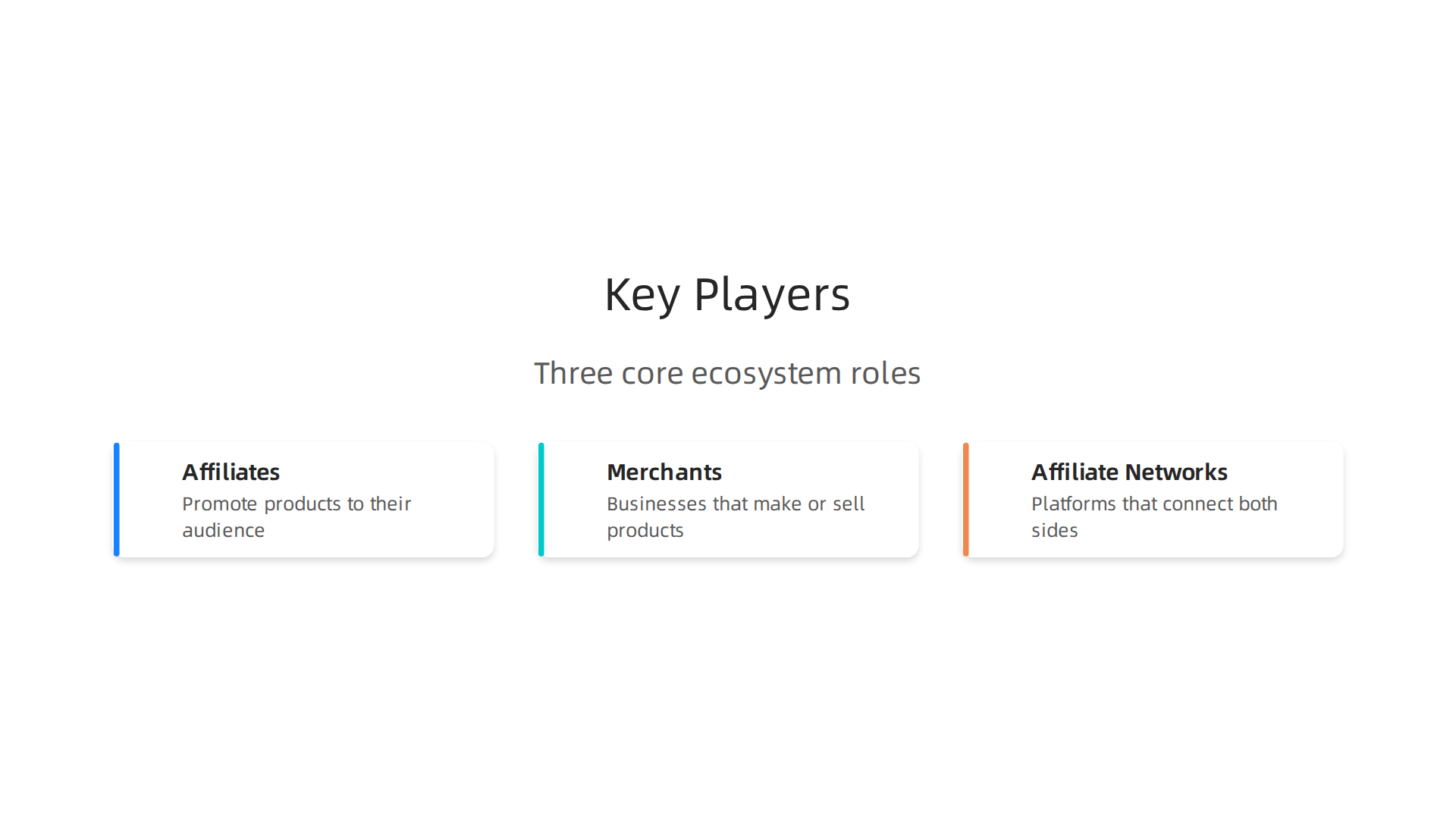
- Affiliates are content creators like bloggers, influencers, or YouTubers. They promote products to their audience. Their main goal is to earn commissions.
- Merchants are the businesses that make or sell the products. They want more sales and brand exposure.
- Affiliate networks are the platforms that connect both sides. They handle tracking, payments, and reporting.
In 2026, the global affiliate marketing industry is valued at over $20 billion, according to Business Research Insights.
That huge ecosystem means plenty of opportunity for beginners. But to succeed, you need to understand each player’s role.
When you are learning affiliate marketing for beginners, your first step is deciding which role fits you best. Are you a creator? A merchant looking for partners? Or do you want to work with a network? Knowing this helps you choose the right partnerships.
If you want to build a site that attracts merchants, check out this guide on how to start affiliate marketing in 2026. And to sharpen your content creation skills, programs like Avocademy can help you design professional pages that convert.
Choosing a Profitable Niche and the Right Products
Now that you know the players in affiliate marketing, it’s time to pick your lane. Your niche is the topic you’ll focus on. It decides how much competition you face, how big your audience can be, and how much you can earn.

For affiliate marketing for beginners, the best niches in 2026 combine high demand with low competition and good affiliate programs. According to Elementor, recurring revenue niches like AI software (SaaS) and digital education pay out commissions month after month. Other hot areas include finance, health, and personal development.
How do you pick the right products once you have a niche? Look at three things: commission rate, cookie duration (how long you get credit for a sale), and how well the product fits your audience. A high commission means nothing if nobody wants to buy.
If you want more ideas, check out this list of top affiliate marketing niches for 2026 that deliver recurring income. And if you’re leaning toward a tech or SaaS niche, you might want to build deeper knowledge. Programs like Careerist offer training that helps you understand the products you’ll promote, so you can write with real authority.
Remember, choosing a niche isn’t set in stone. Start with something you’re curious about, then test and adjust as you learn.
Niche Research Methods
So you have a few niche ideas. But how do you know if they’ll actually work? When you’re learning how to start affiliate marketing, good research separates a profitable niche from a waste of time. Here are three simple methods to use.
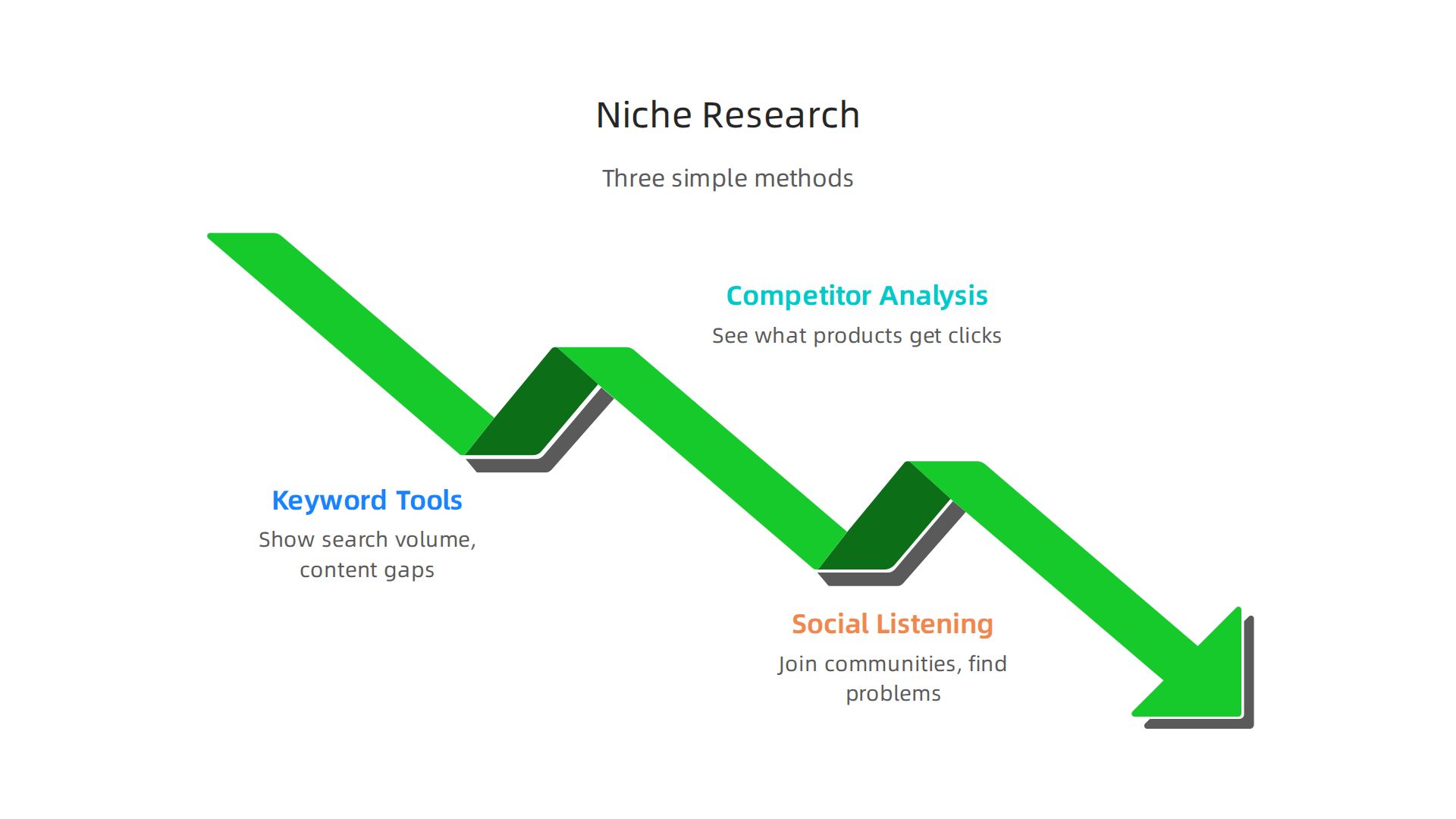
First, use keyword research tools. Free tools like Google Keyword Planner show you search volume and discover content gaps in your niche. For example, Elementor points out that high demand niches like AI tools and digital education often offer recurring commissions.
If people are searching for a topic but few high quality reviews exist, that’s your opening.
Second, look at what your competitors are doing. Check other affiliate sites in your niche. What products are they promoting? Which ones seem to get the most clicks? This shows you what already works and helps you spot opportunities they missed.
Third, validate demand through social listening. Join Reddit communities, Facebook groups, or forums related to your niche. Pay attention to the questions people ask and the problems they share. If the same issues come up again and again, there’s a real audience waiting for answers. This method helps you avoid oversaturated markets.
For more detailed ideas, check out this list of top affiliate marketing niches for 2026 that deliver recurring income. And if you’re looking at a tech niche, training like Le Wagon helps you actually understand the products you’ll promote, so your content feels genuine.
For affiliate marketing for beginners, this research step is what separates a side hustle that fizzles from one that grows. Take the time to dig deep.
Evaluating Affiliate Programs
Once you’ve found your niche, the real work in affiliate marketing how to begins. Not every program is worth your time. You need to look closely at three things before signing up.
First, check the commission structure. Some programs pay a flat fee. Others give a percentage of the sale. The best ones offer recurring commissions. For example, Elementor notes that AI software and digital education often pay you every month a customer stays. Also, look at cookie length. A 30-day cookie gives you a full month to earn a commission after someone clicks your link.
Second, evaluate product quality and merchant reputation. If you promote a low-quality product, your audience will lose trust fast. Read customer reviews and test the product yourself if you can.
Third, see what resources the program offers. Do they provide banners, data feeds, or dedicated support? These tools save you time and help you create better content.
For example, if you want to promote tech training, you could evaluate a program like Careerist. They offer expert-led classes and career coaching, which means strong support for affiliates. Programs with good resources are easier to promote.
For more help picking the right programs, read this guide on how to set up affiliate links. It walks you through the next steps after you choose a program.
Building Your Affiliate Platform
Now that you know how to evaluate programs, it’s time to build your platform. This is where you actually share your recommendations and earn commissions. Your platform is the foundation of everything. Without it, you have no way to reach people.
So what should you choose? Most beginners start with a blog. A blog gives you full control and ranks well in search engines over time. But you can also use a YouTube channel, an email list, or a social media page. Each one works differently. Venture Harbour explains that your channel should match your strengths and your audience’s habits.

For example, YouTube is great for product demos. Email lists build deep trust. Social media works for quick recommendations.
Once you pick your channel, you need to handle the technical setup. This means choosing a domain name, getting hosting, and installing tracking tools. Tracking is a big deal. It lets you see which links earn money. Tools like Google Analytics are free and powerful. You can check out Affiliate Marketing Tools for Advertisers in 2026 to find more options.
If you plan to build a blog, start with a simple theme and focus on writing helpful content. For a complete walkthrough, read this guide on how to build an affiliate marketing blog that earns in 2026. It covers domain, hosting, and content strategy step by step.
Finally, think about the products you will promote. If you are in a niche like tech training, you might recommend programs like Avocademy for UX design courses. The right platform plus the right products equals steady income.
The key is to start simple. Pick one channel. Set it up correctly. Then add your affiliate links. You can always expand later.
Content Channels: Blog, YouTube, Social Media
You have your platform idea. But which content channel should you use? The answer depends on what you want to create and how your audience likes to learn. Let me break down the three main options.
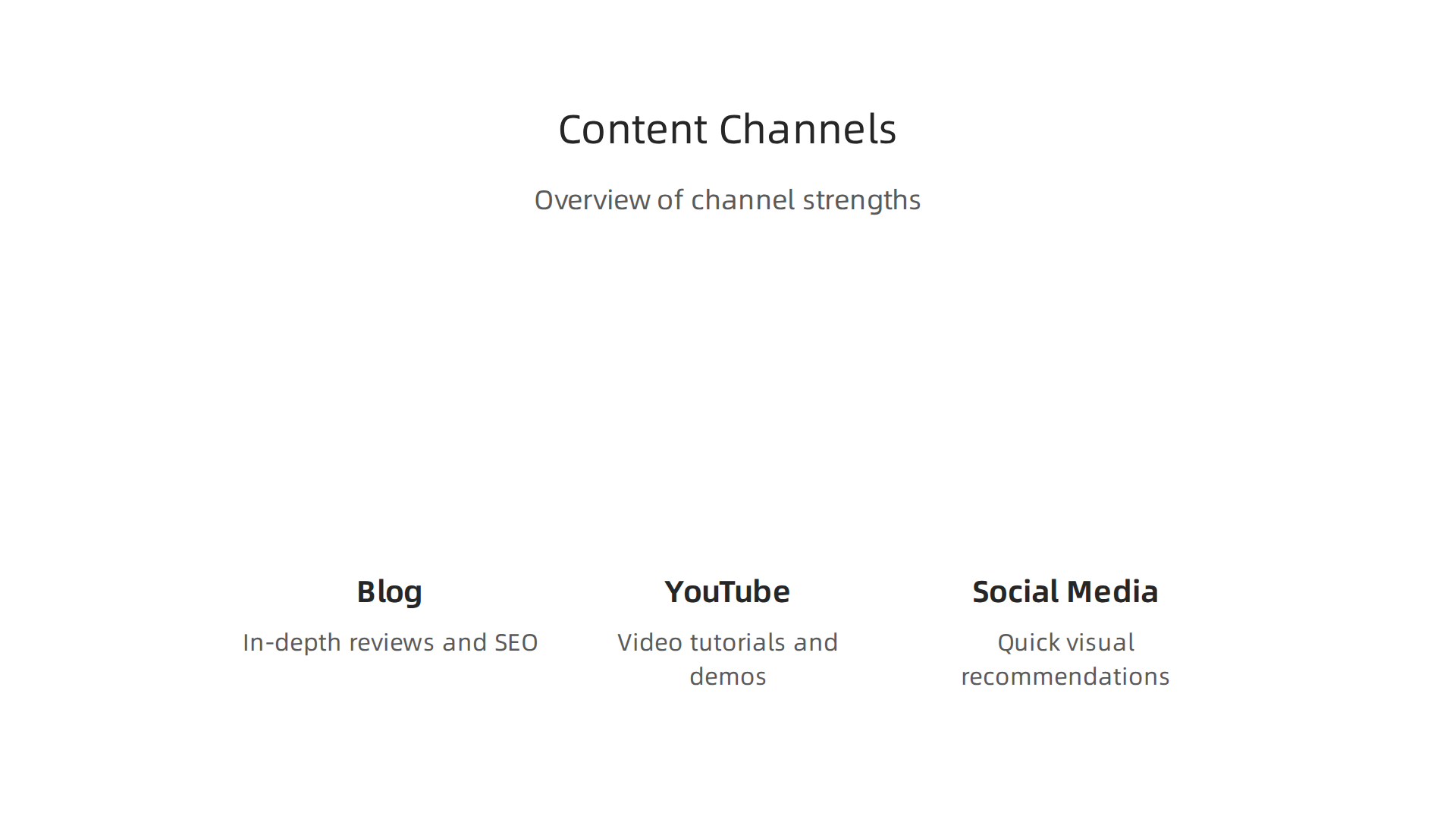
Blog: A blog is perfect for in-depth reviews and long-form guides. It ranks well in search engines, so people find your content months or years later. If you love writing and want to explain products step by step, start here. Need help setting it up? Check out this complete guide on how to build an affiliate marketing blog that earns in 2026.
YouTube: Video is powerful for tutorials and product demonstrations. You can show exactly how something works. A good example is this Affiliate Marketing For Beginners 2026 video that walks through the whole process. If you are comfortable on camera, YouTube builds trust fast.
Social Media (Instagram, TikTok): These platforms work best for quick, visual recommendations. Short videos and images grab attention. According to wecantrack, micro-influencers on social media are a key trend for 2026. Use social media when you want to share a fast tip or a before-and-after shot.
Want to create content in a tech niche? Consider building your skills with a program like Careerist, which offers immersive training for tech jobs. The right channel plus the right skills helps you earn more.
Pick the channel that feels natural to you. You can always add more later.
Essential Tools and Setup
Now that you’ve picked your content channel, it’s time to get the right tools. If you are wondering how to start affiliate marketing, having a solid setup is step one.
First, you need a platform to host your content. Most affiliates use WordPress because it works with affiliate plugins and link cloakers. These tools help you manage your links and track clicks. For example, a link cloaker turns long affiliate links into clean, short ones that build trust. Check out this guide on how to set up affiliate links that actually earn money for step-by-step help.
Second, analytics are a must. You need to know which links get clicks and which products convert. Tools like Google Analytics or dedicated affiliate trackers do this. According to the best affiliate marketing tools list for 2026, proper tracking directly impacts your commissions.
Finally, don’t forget content creation tools. Whether you blog or make videos, good lighting, editing software, and an SEO plugin make a huge difference. Getting your setup right early helps you earn more later. That is the real affiliate marketing how to secret.
Crafting Content That Drives Conversions
You have the tools. Now you need the content that actually makes people click and buy. This is where many beginners get stuck. They write generic posts and hope for the best. But if you are learning affiliate marketing how to do it right, you need a smarter approach.
Your content must match what your reader needs at each stage of their journey. According to the HubSpot CRO strategy for 2026, effective conversion combines clarity, trust, and persuasion. Here is how that breaks down:
- Awareness stage: Write helpful guides, listicles, or how-to posts. Solve a problem without pushing a product. This builds trust.
- Consideration stage: Create comparison posts, detailed reviews, or pros-and-cons lists. Help the reader narrow down choices.
- Decision stage: Use strong product recommendations with clear CTAs. Show the reader exactly what to do next.
For example, if you are in the pet niche, an awareness post could be "How to choose the right dog food." A consideration post compares top brands. The decision post recommends your specific pick with an affiliate link.
SEO and user experience also matter. Simple formatting, fast load times, and authentic recommendations keep people reading. A conversion rate optimization best practice for 2026 is to run A/B tests on your buttons and headlines. Small changes can boost your earnings.
Struggling to create content that feels trustworthy? You can improve your design and UX skills with a course like the one from Avocademy. Better user experience leads to higher conversions.
Also check out this guide on how to build an affiliate marketing blog that earns in 2026 for more content ideas.
That is the real affiliate marketing how to secret: create content that helps first, then sells naturally.
Types of Affiliate Content
Now let’s get into the three content types that help you succeed with affiliate marketing how to strategies in 2026.
In-depth product reviews. These build trust. You test a product, share what you find, and answer real buyer questions. Honest reviews make readers more likely to click. The Conversion Rate Optimization in 2026 guide notes that trust is key for conversions.
Comparison posts. You put two or more products side by side. Readers see pros and cons clearly. This is great for how to start affiliate marketing because beginners love clear comparisons.
How-to and tutorial content. You solve a problem and naturally include your affiliate link. For example, a "how does affiliate marketing work" guide can recommend tools inside the steps. A well-structured tutorial, like the one on how to build an affiliate marketing blog that earns in 2026, does this well.
To make your content look professional, good design matters. Consider taking a UX course from Avocademy to learn how to create pages that feel trustworthy and drive clicks.
Balancing SEO and User Trust
Here is the tricky part about affiliate marketing how to strategies in 2026. You want to rank high on Google, but you also need to keep your readers happy. Squeezing too many keywords into your content can backfire.
Over-optimization hurts readability. When sentences feel stuffed with phrases like "how to start affiliate marketing" or "how does affiliate marketing work," readers bounce. And search engines notice.
Google now cares a lot about E-E-A-T. That stands for Experience, Expertise, Authoritativeness, and Trustworthiness. These signals help determine your rankings. The team at HubSpot explains that combining clarity with trust is the core of effective conversion rate optimization.
What does this mean for you? Be transparent. Always use a clear disclosure so readers know you earn from links. A well-written disclaimer actually builds trust. If you need help setting this up, check out this guide on how to write a compliant disclaimer for affiliate links.
Also focus on user experience. A clean layout, fast loading times, and honest recommendations matter more than keyword density. The Conversion Rate Optimization in 2026 guide shows that trust is the foundation of good conversions.
For affiliate marketing for beginners, here is the rule. Write for people first and search engines second. When you do that, both your readers and your rankings will improve.
If you want to learn how to create pages that look professional and feel trustworthy, consider training with Careerist. Their tech mentorship programs help you build digital skills that make your content stand out.
Driving Traffic and Growing Your Audience
So you have built a trustworthy site with strong content. Now comes the next big question. How do you get people to actually visit your pages?
Traffic is the fuel that powers your affiliate income. But here is the truth. Not all traffic is equal. A hundred visitors who trust your advice are worth more than a thousand random clicks. The affiliate marketing guide from Venture Harbour emphasizes that targeted traffic beats raw volume every time.
You have two main paths to drive visitors. Each comes with tradeoffs.
Organic methods like search engine optimization and social sharing take patience. You write helpful content, share it on platforms like Pinterest or YouTube, and wait for search engines to notice you. This process takes months. But the payoff is sustainable, free traffic that keeps coming long after you hit publish. The Leadyon guide to affiliate strategies calls this the foundation of any serious affiliate business.
Paid advertising works faster. You can run Google Ads or social media campaigns and see visitors within hours. But you need to watch your return on investment closely. A small mistake in targeting can burn through your budget fast. If you want to explore this route, check out this guide on PPC affiliate programs that actually pay for every click.
Here is the smart approach for 2026. Start with organic traffic to build a base. Once you see what works, add paid ads to scale what is already performing well.
If you want to learn the technical skills behind running effective traffic campaigns, consider training with a Careerist tech mentorship program. Their courses cover digital marketing skills that help you grow your audience the right way.
Remember that each visitor is a person looking for answers. Give them value first, and the traffic will follow.
Organic Traffic Strategies
Organic traffic is the long game of affiliate marketing. You invest time upfront, and the results keep coming. The best part? You do not need a big budget to get started. Here are three proven methods that work in 2026.
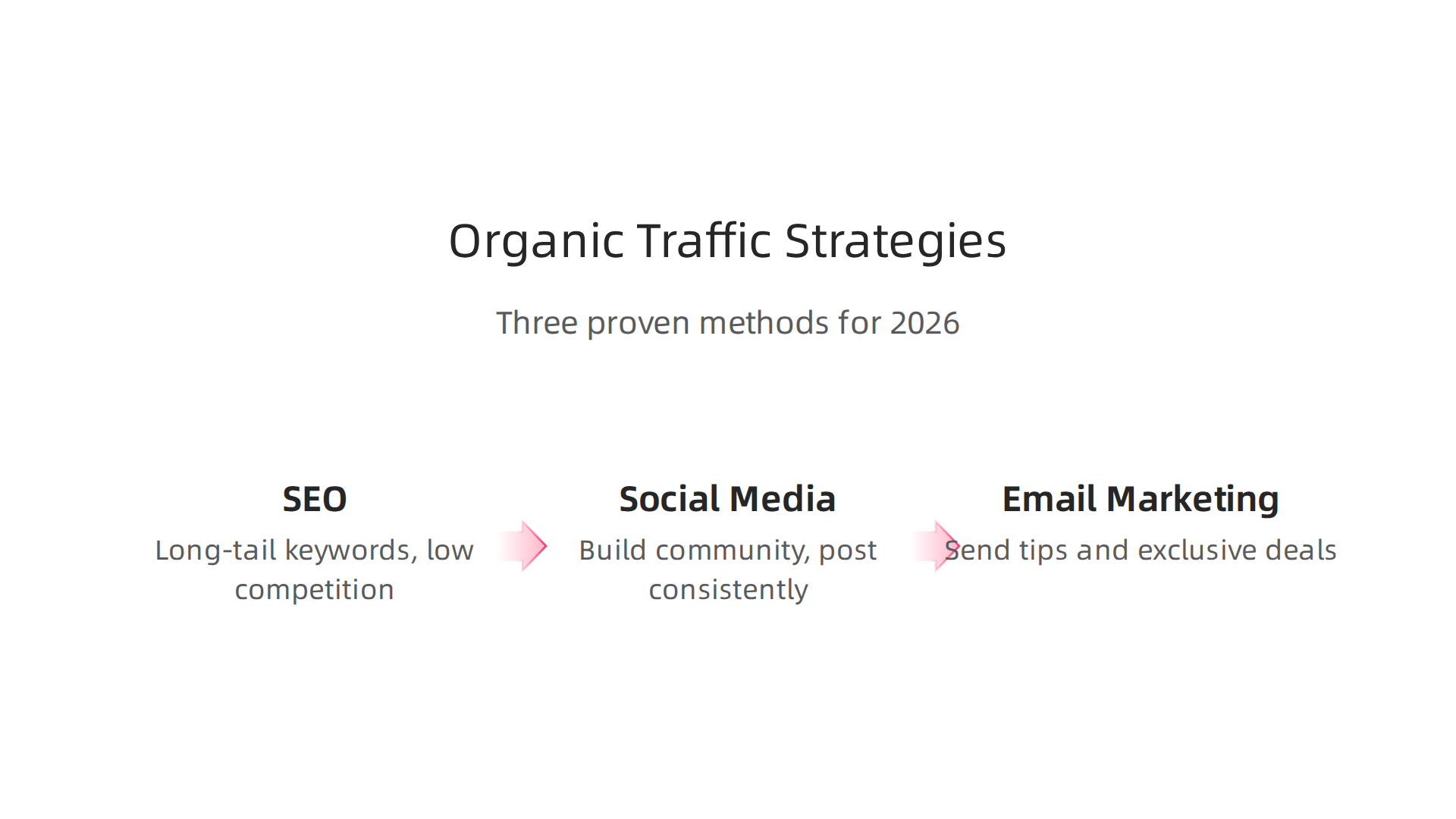
SEO with long-tail keywords. Search for phrases people type when they are ready to buy, like "best running shoes for flat feet" instead of just "shoes." These longer keywords have less competition and higher purchase intent. The top affiliate marketing strategies for 2026 highlight this as a must have for beginners.
Social media community building. Pick one platform where your audience hangs out. Pinterest works great for product recommendations. YouTube is perfect for reviews and tutorials. Share helpful content consistently. Answer questions. Build trust first, then recommend products naturally.
Email marketing. Your email list is gold. Send subscribers valuable tips, exclusive deals, and honest product recommendations. They chose to hear from you, so they are more likely to click and buy.
If you want to learn how to start affiliate marketing with solid SEO skills, check out this step by step roadmap for getting organic traffic right. And for deeper training on digital marketing tactics, you can explore a Careerist tech mentorship program to level up your skills.
These organic strategies require patience. But once they take off, they become the engine that powers your affiliate income for years.
Paid Advertising and Partnerships
While organic traffic builds slowly, paid methods can get you faster results. Here is how to use them carefully.
PPC and social ads. Google Ads and Facebook Ads send targeted visitors to your affiliate links quickly. But you need tight budget control. Start with a small daily spend and test what works. The top affiliate marketing strategies for 2026 suggest testing ads with a low budget first.
Guest posting and collaborations. Write for other blogs in your niche. Add helpful affiliate links naturally. This expands your reach and builds your reputation.
Influencer shoutouts. Find micro-influencers whose audience trusts them. Offer a commission or free product for a mention. It is a cost effective way to get noticed.
For a deeper look at paid ad strategies, check out this article on affiliate marketing PPC in 2026. And if you want to master digital advertising, a Careerist tech mentorship program can teach you paid ad fundamentals.
Tracking, Optimizing, and Scaling
Now that you have traffic from paid ads and partnerships, it is time to track what works and what does not. Data-driven decisions are what separate successful affiliates from hobbyists.
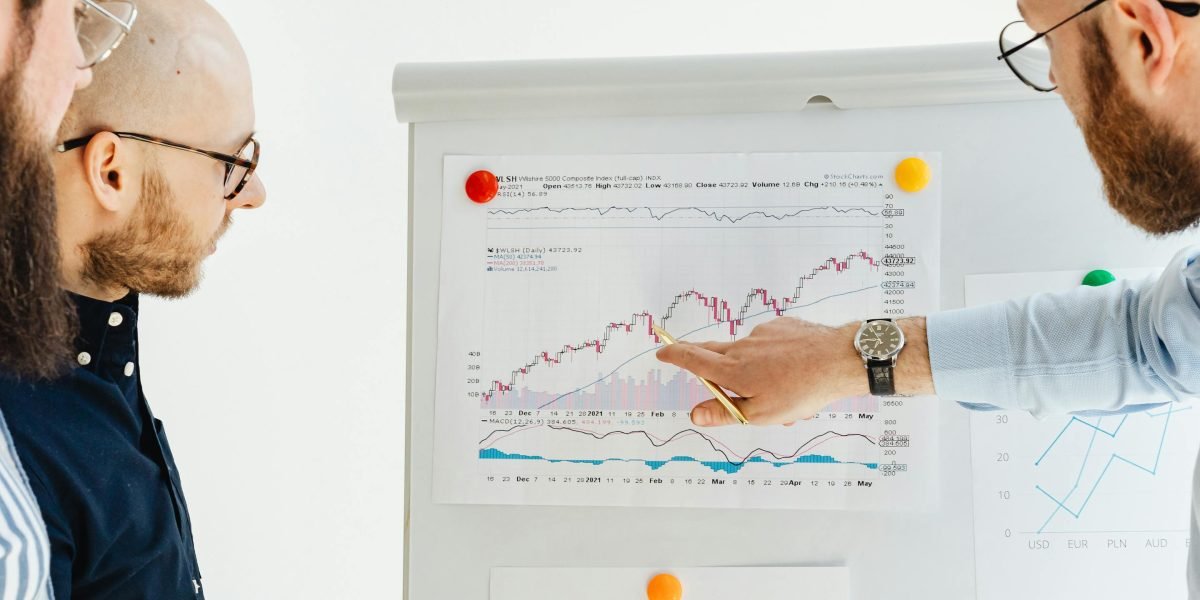
You cannot improve what you do not measure.
Start by watching the numbers that really matter. The key metrics include click-through rate, conversion rate, average order value, and earnings per click. These are the essential affiliate marketing KPIs that tell you if your content is actually earning money. For example, a high click-through rate with a low conversion rate means your traffic is good but your offer or page needs work.
The next step is regular A/B testing. Test your headlines, calls to action, and even the placement of your affiliate links. Small changes can lift your earnings fast. The affiliate marketing trends for 2026 emphasize running test campaigns with clear goals for clicks, conversions, and revenue.
Once you find a winning combination, scale it. Put more budget behind ads that convert. Write more content in the same style. Automate steps that are repetitive so you can focus on growth. If you want to save even more time, check out this guide on how to automate affiliate marketing to free up your schedule.
Finally, never stop learning. Understanding how users interact with your site can boost your conversion rates. A UX/UI design course can teach you how to build pages that guide people naturally toward your affiliate links. That is the kind of skill that takes you from hobbyist to full-time earner.
Key Metrics and Analytics Tools
Knowing which numbers to watch is only half the battle. You also need the right tools to pull those numbers and make sense of them. Most affiliates start with Google Analytics and their affiliate network dashboards. These tools show you clicks, conversions, and commissions in one place. You can see the essential KPIs for affiliate marketing like conversion rate and average order value side by side.
But here is the thing. Not all conversions are equal. The way you credit a sale matters a lot. A last-click model gives all credit to the final link someone clicked. A multi-touch model spreads credit across all the touchpoints before the sale. That difference can change how you see your best performing content. Understanding how to set up affiliate links that actually earn money starts with knowing which links get the real credit.
You also need to break your traffic into segments. Look at performance by traffic source, by device, and by audience type. You might find that mobile users click more but convert less, or that email traffic has a higher average order value than social traffic. Those insights let you double down on what works and fix what does not.
Scaling Strategies for Affiliates and Merchants
Once your metrics look solid, it is time to think bigger. Scaling is how you turn steady results into bigger gains. More marketers are increasing their investment in affiliate marketing in 2026, so now is a great time to grow your efforts.
For affiliates, scaling means creating more content, trying new traffic sources, and moving into fresh niches. You might expand from blog posts to YouTube videos or test paid traffic. If you are learning affiliate marketing how to grow, focus on building a content library that ranks long term. Our guide on how to build an affiliate marketing blog that earns can help you get started.
Merchants scale by recruiting more affiliates, raising commission tiers to keep top performers happy, and providing better resources like product samples and ready to use banners. Automation tools for email sequences and content scheduling save time for everyone involved. Outsourcing tasks like writing or graphic design can speed up growth too.
To scale efficiently, you can also learn new skills or hire trained help. Programs like Careerist offer tech training that can give you an edge in affiliate marketing. With the right mix of content, traffic, and partnerships, you can turn your affiliate program into a reliable income stream.
Merchant Perspective: Launching and Managing an Affiliate Program
Launching your own program can feel like a big step. But it works. You build a sales team that only earns when they deliver results. This keeps your upfront risk low.
Finding the right people matters most. You want affiliates who reach your target audience with authentic content. The guide on recruiting affiliates shares many ways to find great partners.
After recruitment, support is key. Give your affiliates product samples, banners, and email templates. They also need great content to share. A platform like AffiliateHub Pro gives your team a central place to access expert reviews and product comparisons. This helps them promote your brand in a consistent, trustworthy way. Your internal team also needs strong skills to manage this. Training programs like Careerist can help build those tech and management abilities.
Your commission structure is another piece of the puzzle. PartnerStack reports that the best programs use extra perks and bonuses on top of regular commissions to keep partners motivated PartnerStack.
Finally, stay hands on. The Modash survey shows that programs with active management see much better results Modash. They track performance closely and fix issues fast. If you are new to this, learning affiliate marketing how to manage a program takes time. Our complete roadmap for merchants provides a solid starting point.
Recruiting Quality Affiliates
Not every affiliate is a good fit for your brand. The real secret to strong growth is focusing on partners whose audience and values align with yours. This is where a solid affiliate marketing how to plan really pays off. Instead of casting a wide net, look for creators who already talk about topics related to your products. The guide on recruiting affiliates shares many ways to find these perfect matches.
Once you identify them, give them reasons to say yes. Offer exclusive discounts, early product access, and custom creative assets. A dedicated affiliate manager shows them you are serious. Many top programs also use performance perks and bonuses to keep their best partners motivated PartnerStack.
Do not just check follower counts. Vet potential affiliates by looking at their content quality and real engagement metrics. Are people commenting and clicking? The Modash survey shows that hands-on programs that carefully choose their partners see much better results Modash.
If you are still learning how does affiliate marketing work when it comes to building strong partnerships, our step-by-step merchant roadmap walks you through the entire process. Also, look for partners who invest in their own growth. Many serious creators boost their technical and marketing skills through programs like Le Wagon. These affiliates bring a higher level of professionalism to your program.
Monitoring and Incentivizing Performance
Once you have recruited quality affiliates, you need to keep a close eye on their work. Use affiliate dashboards to track clicks, conversions, and commissions in real time. This data shows you which partners are performing well and which ones need extra support. Many successful programs use tiered commission structures, bonuses, and contests to motivate top performers. For example, offering a higher commission rate after a partner hits a sales goal can drive more effort and loyalty Levanta. Adding perks on top of base commissions also helps you stand out PartnerStack.
But numbers are only part of the picture. Regular communication and feedback are just as important. Send your affiliates performance reports, share tips on what converts best, and ask for their input. The Modash survey found that hands-on programs that stay engaged with their partners see much better results Modash. When affiliates feel supported, they work harder for your brand. Some top performers even invest in their own growth through training programs like Careerist to sharpen their content and marketing skills, which benefits your entire program.
To streamline this whole process, check out our guide on automating affiliate marketing with proven strategies to save time and boost revenue.
Conclusion and Next Steps
We have covered a lot of ground on affiliate marketing how to. From understanding how does affiliate marketing work to the practical steps for setting up your program or becoming an affiliate. The key is to remember that success comes from trust, useful content, and constant testing.
The affiliate marketing industry is massive and growing. In 2026, global spending reached an estimated $19.4 billion Digital Applied. That shows the opportunity is real for those who treat it seriously.
For beginners wondering how to start affiliate marketing, the advice is simple. Start small. Pick one niche, one product, and one platform. Test what works and then scale. Focus on helping your audience first. Money will follow.
Always keep learning. Both algorithms and consumer habits change fast. If you stay curious and adapt, you will grow.
Ready to take the next step? Check out our complete guide on how to start affiliate marketing in 2026 the step by step roadmap that works. For improving your skills, consider a training program like Avocademy to sharpen your content and marketing abilities.
Now go out there and build something great. Your audience is waiting.
Summary
This article is a practical guide to starting and growing affiliate marketing in 2026, explaining the model, key players, and why trust and authenticity matter. It covers how affiliate marketing works, how to choose profitable niches and evaluate affiliate programs, and how to pick the best platform—blog, YouTube, email or social—to reach your audience. You’ll learn concrete content strategies (reviews, comparisons, tutorials), SEO and UX tips to boost conversions, and how to drive traffic with organic and paid channels. The guide also shows which tools and metrics to track, how to test and scale winning campaigns, and what merchants should do to recruit and incentivize quality affiliates. By following the roadmap and best practices here, readers will know how to set up links correctly, create trustworthy content, measure performance, and grow affiliate income responsibly.