Reviews & Guides from Our Experts

Is Affiliate Marketing Legit Here is the Real Answer for 2026

Introduction
If you have been asking yourself "is affiliate marketing legit," you are not alone. Many newcomers wonder if this is a real way to earn money online or just another scam. It is a fair question. The internet is full of get rich quick promises that go nowhere.
Here is the truth. Affiliate marketing is a legitimate business model. In fact, it is huge. The global affiliate marketing industry will exceed $20 billion in 2026 with strong growth ahead. That number comes from recent industry research. When an industry reaches that size, it is not a fad. It is real.
So what is affiliate marketing exactly? At its core, the affiliate marketing meaning is simple. You promote products or services for a company. When someone buys through your link, you earn a commission. Big brands like Amazon have relied on this model for years. Over 80% of brands now use affiliate programs to grow sales. That stat comes from FirstPromoter’s 2026 affiliate marketing data.
For beginners, affiliate marketing for beginners does not require a big investment. You can start with just a blog, a social media account, or a YouTube channel. Many people build a solid side income this way.
Of course, not every program is trustworthy. Some are poorly run. Some are flat out scams. That is why this guide exists. We will help you tell the difference between legit programs and waste of time offers. Whether you are an affiliate looking for your first program or a merchant wanting to start a program, we have you covered.
If you want to see how much real affiliates earn, check out our breakdown on whether affiliate marketing is worth it in 2026. It gives you honest numbers and real expectations.
Let us dive in and answer the big question once and for all.
What Exactly Is Affiliate Marketing?
Let’s answer what is affiliate marketing in simple terms. It is a performance-based business model. A company gives you a unique link. You share that link with your audience. Someone clicks it and buys something. You earn a commission.
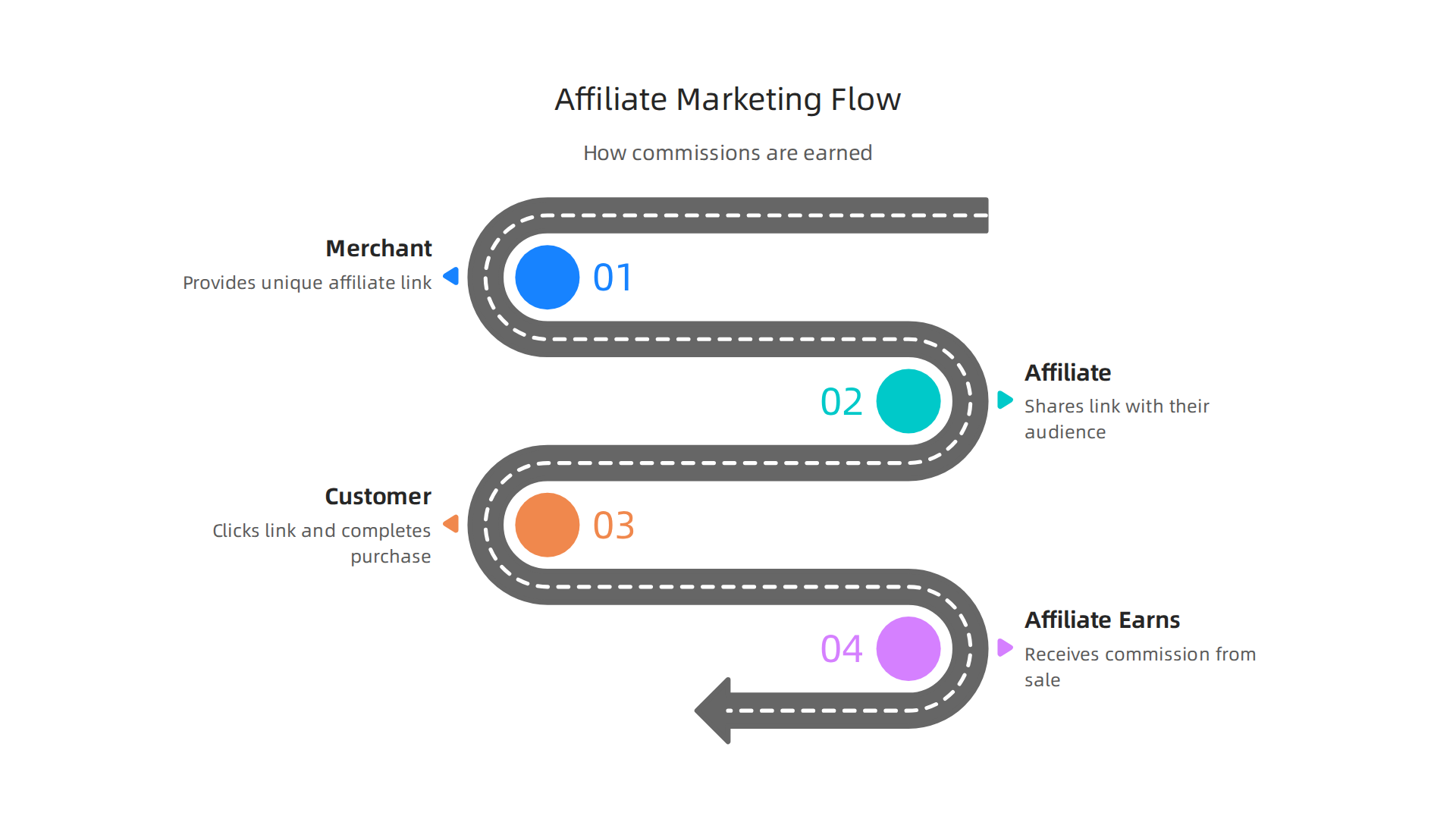
That is the affiliate marketing meaning in its purest form. You only get paid when you deliver a result.
There are three key players in this system. First, you have the affiliate (that is you). Second, you have the merchant (the brand that makes the product). Third, there is sometimes an affiliate network that connects both sides. For anyone looking into affiliate marketing for beginners, this structure makes things easy. You do not need to create your own product or handle customer support. You just promote products you already enjoy. If you want to find your first program, start by exploring a list of trusted options like our guide to the top affiliate program websites to earn real money in 2026.
This brings us to the biggest question: is affiliate marketing legit? Yes, it is. But it is important to know how it differs from scams. The FTC warns that pyramid schemes are scams built on recruiting new members. Affiliate marketing does not work that way. As Shopify explains, it is a legitimate business activity where you earn by driving sales of actual products. Post Affiliate Pro also confirms that it is a legal business model. There are no fees to join legitimate programs. Your income comes from promoting products, not from recruiting new people.
So yes, affiliate marketing is a real opportunity. Millions of people use it to build income online.

If you want to turn this into a serious career, learning the right technical skills can help. That is why many affiliates invest in their own education. For example, a structured bootcamp like Le Wagon teaches you how to build and grow your own online platform. That kind of knowledge removes roadblocks and sets you up for long term success.
The Scale and Economic Impact of Affiliate Marketing in 2026
If you were still wondering is affiliate marketing legit, the numbers in 2026 make the answer very clear. This is not a small side experiment. It is a massive global industry.
The global affiliate marketing industry is set to exceed $20 billion in 2026, according to recent market data from AutoFaceless. Other reports from Post Affiliate Pro confirm the market is valued at roughly $17 to $18.5 billion in 2025 and projected to pass $20 billion this year. Some estimates go even higher. Business Research Insights values the market at $23.46 billion in 2026. No matter which number you look at, the trend is the same. The industry is growing fast. Projections show it could reach over $70 billion in the next decade.
What does this mean for you? It means major brands are betting big on affiliate marketing. FirstPromoter reports that over 80% of brands now run affiliate programs. They dedicate real portions of their marketing budget to this channel. Companies like Amazon, Shopify, and thousands of others rely on affiliates to drive sales. That level of trust from big businesses proves this is not a fad or a scam.
The industry also supports millions of affiliates worldwide. From solo bloggers writing product reviews to large publishers running comparison sites, people are earning real income. If you want a piece of this growing pie, you need to know how to build a system that works. Our guide on how to build an affiliate marketing side hustle in 2026 walks you through the exact steps to get started.
To take full advantage of this growth, many successful affiliates invest in learning new skills. Building an online presence often requires understanding tech tools, content creation, and analytics. That is why training programs like those offered by Careerist can be a smart move. Careerist helps people access tech jobs with immersive training and career coaching. While not directly about affiliate marketing, learning how to build and manage a digital business removes barriers and puts you ahead of the competition.
The takeaway is simple. The affiliate marketing meaning is tied to real economic impact. The numbers show it is a trusted, growing channel. And the best time to start is right now.
How Legitimate Affiliate Marketing Works: The Three Pillars
The numbers make it clear that the affiliate marketing meaning is tied to a real, growing industry. But the question "is affiliate marketing legit" still pops up because people confuse it with pyramid schemes. Here is the truth. They are completely different. Shopify explains that affiliate marketing is a legitimate business activity based on generating sales, not recruiting people. Pyramid schemes charge you to join and force you to recruit. Affiliate marketing charges nothing upfront and pays you only when you sell something. That is a huge difference.
Legitimate affiliate marketing rests on three solid pillars. Understanding them will help you see exactly how this model works and why it is not a scam.
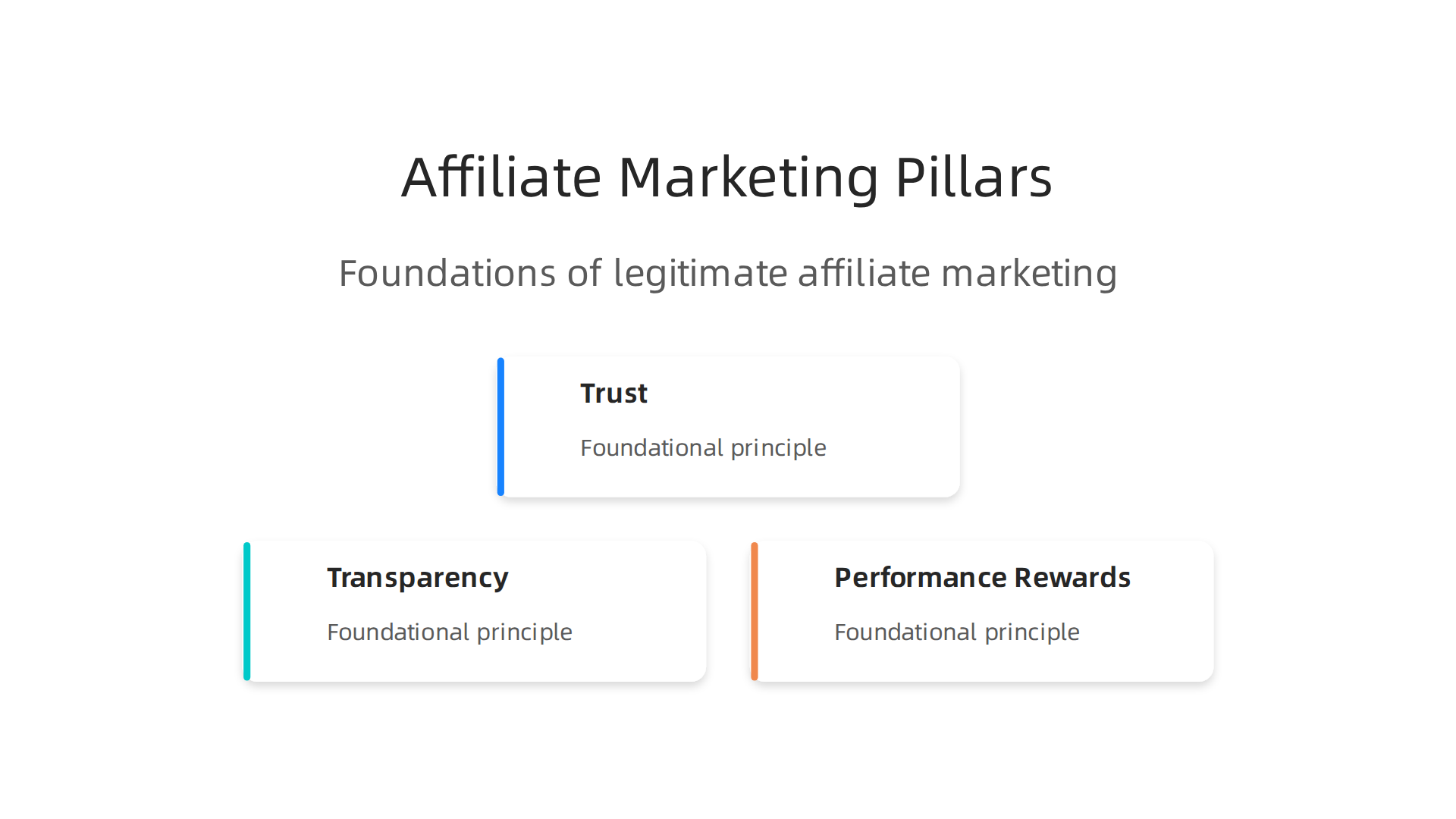
Pillar 1: Trust-Based Recommendations
Good affiliates only promote products they actually believe in.

If you recommend something just to make a quick buck, your audience will see right through you. The whole model runs on trust. You share your honest experience with a product. Your readers decide if it fits their needs. No pressure. No lies. Just real value. As Post Affiliate Pro puts it, affiliate marketing focuses on driving sales of real products and services. You earn because you helped someone make a good decision. That is the opposite of a pyramid scheme where money comes from recruiting new victims.
Pillar 2: Transparent Disclosure
Here is another key difference. Legitimate affiliates tell you they are earning a commission. The Federal Trade Commission requires clear disclosure when you use an affiliate link. Pyramid schemes hide how money flows. Affiliate marketing puts it right in the open. You will see phrases like "this post contains affiliate links" on blogs and in videos. That honesty builds more trust. It also keeps everything legal. If someone hides their affiliate relationship, that is a red flag. But when people are upfront, you know exactly what is happening.
Pillar 3: Performance-Based Rewards
This might be the most important pillar. In affiliate marketing, you only get paid when a specific action happens. Someone clicks your link and buys the product. Or they sign up for a free trial. Or they fill out a form. No sale means no commission. ConversionCow confirms that affiliates earn income by promoting real products and services. You never pay to join. You never get paid just for bringing in new affiliates. You earn because you delivered a result for the merchant. That performance-based structure is the exact opposite of a pyramid scheme.
If you want to learn how to build your own system around these three pillars, check out our guide on how to build an affiliate marketing side hustle in 2026. It walks you through finding products you can genuinely recommend, disclosing your links properly, and earning commissions the right way.
Many successful affiliates also invest in learning new digital skills to create better content and grow their audience. Programs like Avocademy help people build user experience design skills. Understanding how to create a smooth experience for your readers leads to higher trust and more conversions. That is a smart investment if you are serious about affiliate marketing.
The bottom line is simple. Legitimate affiliate marketing is built on trust, transparency, and real performance. Pyramid schemes are built on lies and recruitment. Now you know the difference.
Regulatory Landscape: FTC Guidelines and Global Standards
You now know that transparent disclosure is one of the three pillars of legitimate affiliate marketing. But what does that actually look like in practice? And what happens if you skip it? The rules are clearer than ever in 2026, and they apply to affiliates everywhere.
The FTC Sets the Bar in the US
The Federal Trade Commission (FTC) requires you to disclose any material connection between you and a brand.

That includes getting paid a commission, receiving a free product, or being an ambassador. As Automateed explains, material connections cover affiliate commissions, free products, and more. The disclosure must be clear and easy to find, not buried in a footer or hidden inside a paragraph.
The FTC’s 2026 rules come with serious penalties. Each violation can cost up to $51,744. That is not a small fine. The FTC also closely watches AI-generated endorsements, so if you use automated content, you still need proper disclosure.
Global Standards Are Growing
The US is not alone. The European Union enforces strict rules under GDPR and consumer protection laws. The UK also follows similar guidelines. As Affiverse Media notes, affiliate program managers in US and UK markets must treat compliance proactively. Other countries like Canada and Australia are tightening their own regulations too.
Why Compliance Helps You
Following these rules does more than keep you out of legal trouble. It builds trust with your audience. When you are honest about your affiliate links, readers respect you more. They are more likely to click and buy because they know you are not hiding anything.
To stay on top of regulatory changes, check out our article on 10 affiliate marketing news 2026 stories that reshaped the industry. It covers key updates that every affiliate should know.
If you want to create content that naturally includes clear disclosures and builds trust, learning user experience design can help. Programs like Avocademy teach you how to design user-friendly pages where disclosures feel natural, not forced. That is a smart way to stay compliant while growing your audience.
The bottom line: transparent disclosure is not optional. It is the law. And it is one more reason you can confidently answer "is affiliate marketing legit" with a clear yes.
Common Red Flags vs. Legitimate Programs
So you know the rules now. But how do you tell the difference between a real opportunity and a trap? That is the real question behind "is affiliate marketing legit."
Here is the thing. Scammers and legitimate programs look very different once you know what to watch for.
Red Flags That Scream "Scam"
- Promises of overnight riches. No legitimate program guarantees you will make thousands of dollars in your first week. If it sounds too good to be true, it is.
- High upfront fees. Real affiliate programs are free to join. You should never pay a fee just to get started. Some networks charge small annual fees for premium features, but that is not the same as a "membership" cost to access links.
- Mandatory purchases. Some scam programs require you to buy their products before you can promote them. Legitimate programs let you choose what to recommend.
- No clear disclosure. If a program tells you to hide your affiliate relationship or skip disclosures, run. The FTC requires clear disclosure of material connections, as explained in the FTC’s 2026 guidelines on material connections. A program that discourages honesty is not one you want to work with.
Green Flags of Legitimate Programs
- Full transparency on compensation. They explain exactly how commissions work, what percentage you earn, and when you get paid.
- No mandatory buy-in. You can join and start promoting right away without spending a dime.
- Reliable tracking. They use well-known affiliate networks or provide a clear dashboard to see clicks and sales.
- Clear disclosure policies. They encourage you to be honest with your audience. That is a sign of a program that plans to be around for the long haul.
If you are just starting out, you might be asking "what is affiliate marketing" and wondering which programs are safe. A good first step is to check out our guide on the best affiliate programs for beginners without a website in 2026. It lists programs that do not require a site, have no fees, and are known for fair practices.
Learning how to spot these red flags protects you and everyone who follows your recommendations. And if you want to build a professional site that inspires trust right away, consider learning user experience design through programs like Avocademy. Good design makes disclosures feel natural and builds credibility with your readers.
The bottom line: the "affiliate marketing meaning" is simple. It is honest recommendations in exchange for a commission. When you stick with programs that follow that model, you can confidently answer "is affiliate marketing legit" with a clear yes.
How to Verify a Legitimate Affiliate Program
You know the red flags. But how do you actually check if a program is real before you sign up? Here is a simple process that works.
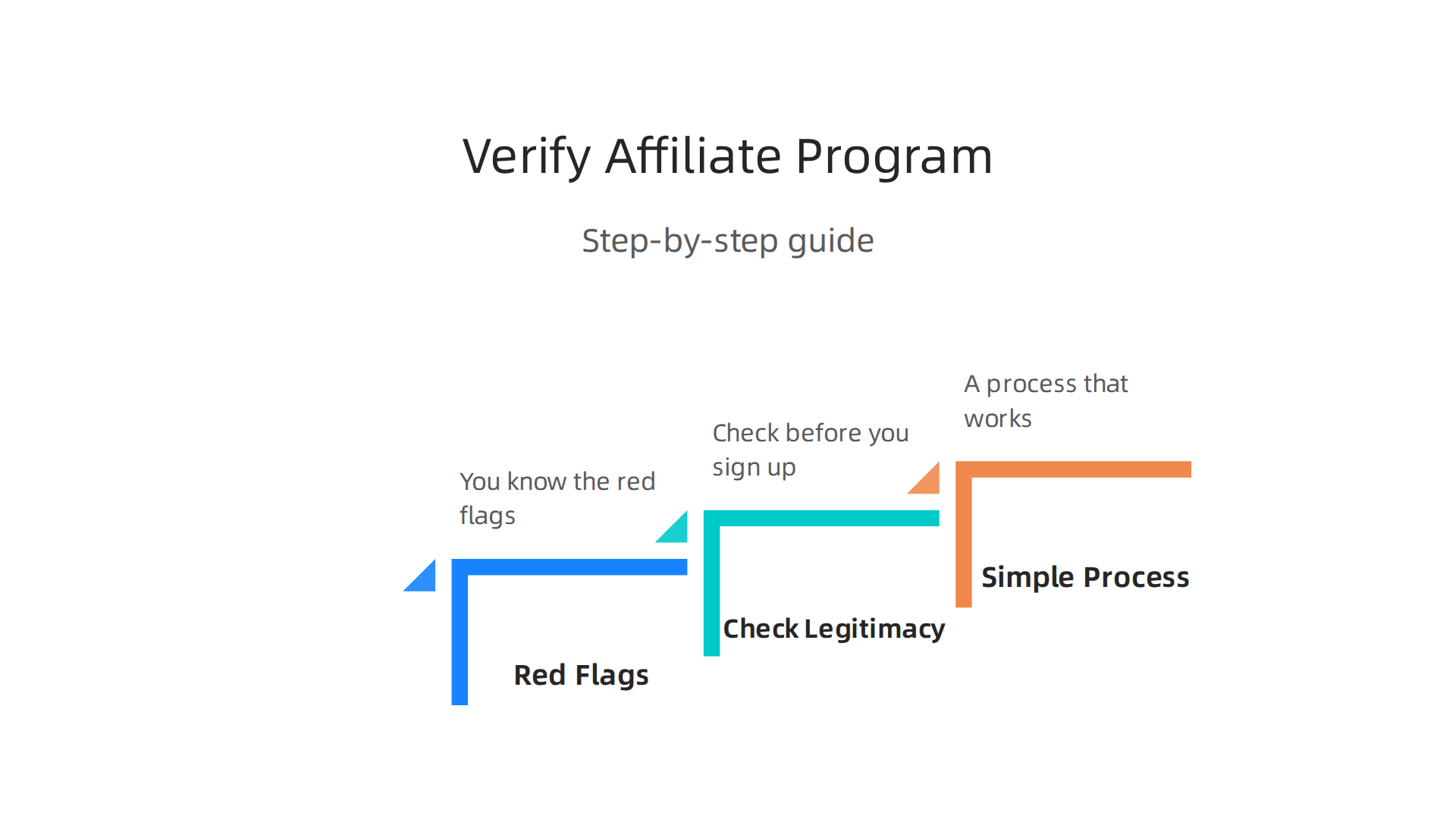
Check for proper disclosure policies and tracking infrastructure.
Legitimate programs want you to follow the rules. They provide clear disclosure guidelines and encourage honesty. They also use reliable tracking systems so you can see every click and sale. If a program cannot explain how tracking works or asks you to hide your affiliate relationship, walk away.
Look for program history, reviews, and clear contact information.
A real company has a track record. Search for reviews from existing affiliates. Look on forums and social media. See if people are actually getting paid. Also check that the program has a real support team you can reach. If the only way to contact them is a contact form with no phone number or address, that is a warning sign.
Use affiliate networks and industry directories as vetting tools.
The easiest way to find safe programs is to join a well known affiliate network. Networks like ShareASale, CJ Affiliate, and Impact vet their merchants before letting them in.
This saves you time and risk. As affiliate marketing evolves in 2026, these networks are getting better at filtering out bad actors, as noted in the Digistore24 forecast on affiliate marketing trends.
To see a list of vetted programs with no upfront fees, check our guide on the top 10 affiliate programs websites to earn real money in 2026. It covers networks and standalone programs that are known for fair practices and reliable payments.
Taking a few minutes to verify a program now saves you from wasting time later. And if you want to build skills that make your recommendations more trustworthy, programs like Careerist offer training in tech fields that can boost your authority in higher paying niches.
The answer to "is affiliate marketing legit" depends on which programs you choose. When you verify properly, you can say yes with confidence.
Overcoming Top Challenges and Building Trust
So you know how to spot legit programs now. But here is the honest truth: even in a real program, things can go sideways. Both affiliates and merchants face real hurdles. The good news? These challenges are totally solvable.
For affiliates, the biggest struggles are content creation, picking the right products, and tracking results. Writing honest reviews takes time. Choosing products that actually convert for your audience is tricky. And if you cannot see which clicks lead to sales, you are flying blind. The smartest affiliates solve this by focusing on one niche they genuinely understand. They also use AI tools to speed up research and content drafts. According to the 2026 affiliate marketing forecast from Digistore24, automation is now a must for staying competitive without burning out. If you want practical steps to save time, check out our guide on automating affiliate marketing with proven strategies.
On the merchant side, finding quality affiliates and keeping brand messages consistent is tough. You cannot just open the floodgates and hope for the best. You need partners who understand your product and create content that feels real. Platforms like AffiliateHub Pro help merchants source trusted affiliates and maintain consistent messaging across all channels. The result is a partnership that feels less like a transaction and more like a true collaboration. As Sticky.io reports on 2026 trends, stronger partner relationships are what drive long-term revenue now.
Both sides build trust the same way: through transparency, clear communication, and smart use of technology. Share honest expectations upfront. Use reliable tracking tools so everyone sees the same data. Communicate regularly about what is working and what is not. When affiliates and merchants treat each other like real partners, the whole system works better.

For a deeper look at how this plays out on a major network, read our article on how affiliates and merchants succeed on the CJ Affiliate Network.
If you are an affiliate looking to boost your credibility, consider building real skills in a high-demand area. Programs like Careerist offer tech training that gives you authority in niches where trust matters most. That kind of expertise answers the question "is affiliate marketing legit" better than any sales pitch ever could.
Real-World Success: Case Studies from Affiliates and Merchants
Still wondering, "is affiliate marketing legit"? The proof is in the real results people achieve every day. Let’s look at actual cases that show how both affiliates and merchants win.
Take a look at the success stories on Starter Story. One example is a site called ElectricityRates.com, which earns over $4.2 million per year through affiliate content. That is real money from helping people compare energy plans. Another is Making Sense of Cents, a personal finance blog that brings in nearly $1 million annually just from affiliate recommendations. These income figures are public and verified. You can explore 35 affiliate marketing business success stories for 2026 to see many more.
On the merchant side, brands like Shopify and SEMrush have built massive growth through well-managed affiliate programs. A recent report on successful affiliate marketing campaigns in 2026 shows how companies turn partnerships into millions in extra revenue. The key is treating affiliates like real partners, not just traffic sources.
These stories answer the question "what is affiliate marketing" better than any definition. The affiliate marketing meaning is simple: it’s a business model where honest recommendations create value for everyone. For beginners, seeing real numbers makes it clearer that affiliate marketing for beginners is a path that can actually work.
If you want to follow in these footsteps, focus on building genuine expertise in a specific niche. That is how you answer "is affiliate marketing legit" for yourself. For a deeper look at how partnerships drive success, read our guide on how affiliates and merchants succeed on the CJ Affiliate Network in 2026. And if you need to build skills that make you a trusted authority, consider programs like Careerist for tech training. Real knowledge leads to real trust, and real trust leads to real earnings.
Conclusion: Affiliate Marketing Is Legitimate – Here’s What to Do Next
So, is affiliate marketing legit? Yes, without a doubt. Real businesses and governments regulate it. Major brands use it. And as we saw in the case studies, real affiliates earn serious incomes. If you need more proof, check out how six e-commerce brands drove measurable growth through partnerships in this affiliate marketing case study. This model is not a scam. It is a proven business strategy.
But legitimacy does not mean easy money. Success demands commitment to ethical practices, continuous learning, and the right tools. Now is the time to take action.
Here is your next move:
- Choose a niche you care about and understand deeply.
- Vet affiliate programs carefully. Look for fair commission structures, reliable tracking, and good support.
- Focus on delivering real value to your audience. Your reputation is your biggest asset.
For a step-by-step plan to get started the right way, read our guide on how to build an affiliate marketing side hustle in 2026. And if you want to build skills that make you a trusted authority, consider tech training from Careerist to level up your expertise.
The opportunity is real. The path is clear. Start today and make affiliate marketing work for you.
Summary
This article answers the central question — is affiliate marketing legit — by explaining the business model, its scale, and how to participate safely. It defines affiliate marketing, outlines the three pillars that make it legitimate (trust-based recommendations, transparent disclosure, and performance-based rewards), and shows how the industry is growing into a multibillion-dollar channel used by major brands. The guide highlights legal obligations like FTC disclosure rules, lists common red flags that indicate scams, and gives practical steps to verify programs before joining. It also covers real-world success stories and the main challenges affiliates and merchants face, plus tactics for overcoming them with automation and better partnerships. By reading this article you’ll know how to pick trustworthy programs, comply with regulations, and build an ethical, scalable affiliate side hustle.