
Reviews & Guides from Our Experts

Automate Affiliate Marketing with Proven Strategies to Save Time and Boost Revenue

Affiliate marketing is booming. In 2024 alone, U.S. affiliate spending hit $13.62 billion, and those programs helped drive $113 billion in e-commerce sales, according to recent affiliate marketing statistics.

The opportunity is massive. Businesses earn roughly $6.50 for every dollar they invest in affiliate channels, as 2026 data from FirstPromoter confirms.
Here is the catch. Most affiliates and merchants still run their programs by hand. They manually track clicks, create each piece of content from scratch, check compliance one link at a time, and manage relationships through scattered spreadsheets. That approach eats up hours. It slows growth. And when you are competing against people who use modern tools, manual work hurts your bottom line.
Companies that have already adopted marketing automation see real returns. Research from Marketing Automation Statistics shows that on average, every dollar spent on automation brings back $5.44.

Businesses also report 10 to 15 percent more efficiency after switching, as highlighted in sales automation statistics.
So how do you capture those gains for your affiliate business? That is what this guide covers. I will walk you through actionable strategies to automate affiliate marketing, from picking the right affiliate marketing tools to setting up simple affiliate tracking software platform that manages your affiliate links without extra effort. No fluff. Just practical steps backed by real data and actual experience.
If you are new to this space, you might want to start with our honest breakdown of whether affiliate marketing is worth it in 2026 to see if this path fits your goals.
Let us get into the specifics.
Why Automate Affiliate Marketing? The Efficiency Imperative
Have you ever felt like you’re doing all the work but not seeing the growth? That is common when you run your affiliate program manually. You handle every email, track each link by hand, and create every piece of content from scratch. That approach eats up hours and holds you back.
Automation changes that. According to a 2026 report by Thunderbit, simplifying your tool stack and adding automation can save $3.2 million annually and cut campaign setup time by 50%. Those are real gains. And when you automate affiliate marketing, those extra hours come back to you. You can spend them on strategy, building relationships, or finding better products to promote.

Think about the return. Research from Emarsys shows marketing automation returns $5.44 for every dollar spent. That is not just for big brands. It works for affiliates and small merchants too. A study from GTM8020 found that 76% of companies see positive ROI within the first year. And businesses that automate report 10 to 15 percent more efficiency and 5 to 10 percent more revenue, according to Utmost Agency.
But it is not just about saving time. It is about consistency. With a simple affiliate tracking software platform, you know every link works and every commission is recorded. No missed data. No manual errors. That reliability builds trust with your partners and helps you scale.
Here is the thing. Scaling an affiliate business is nearly impossible without automation. You cannot manually manage hundreds of affiliates or thousands of links. Yet the industry is growing fast. To capture that growth, you need systems that work while you sleep.
If you are new, building a system with the right affiliate marketing tools can feel overwhelming. But it is doable. Focus on tools that handle the heavy lifting so you can focus on creative and strategic work. Once you automate the routine tasks, you will also free up time to develop new skills through immersive training programs like Careerist. That is how you turn efficiency into lasting growth.
Now let us look at the specific workflows you should automate first.
Selecting the Right Automation Tools for Your Affiliate Business
You now know why automation matters. But the market is crowded. How do you pick the right tools for your affiliate business without wasting money or time?
The truth is, there is no single perfect tool for everyone. Your choice depends on whether you are an affiliate promoting products or a merchant running a program. But all good tools fall into a few categories: content creation, link management, tracking, and program management.
For affiliates, you need a simple affiliate tracking software platform that lets you generate, shorten, and monitor your affiliate links. Many top tools in 2026 also include AI features to help you write product reviews and social posts faster. According to the Octo Browser Blog, AI tools for affiliate marketing in 2026 can help you increase traffic and conversions without hiring extra help.
For merchants, you need a platform that handles partner recruitment, commission calculations, and payouts. The team at NationwideLeads explains that affiliate marketing platform software allows small businesses to track, manage, and pay partners that drive sales.
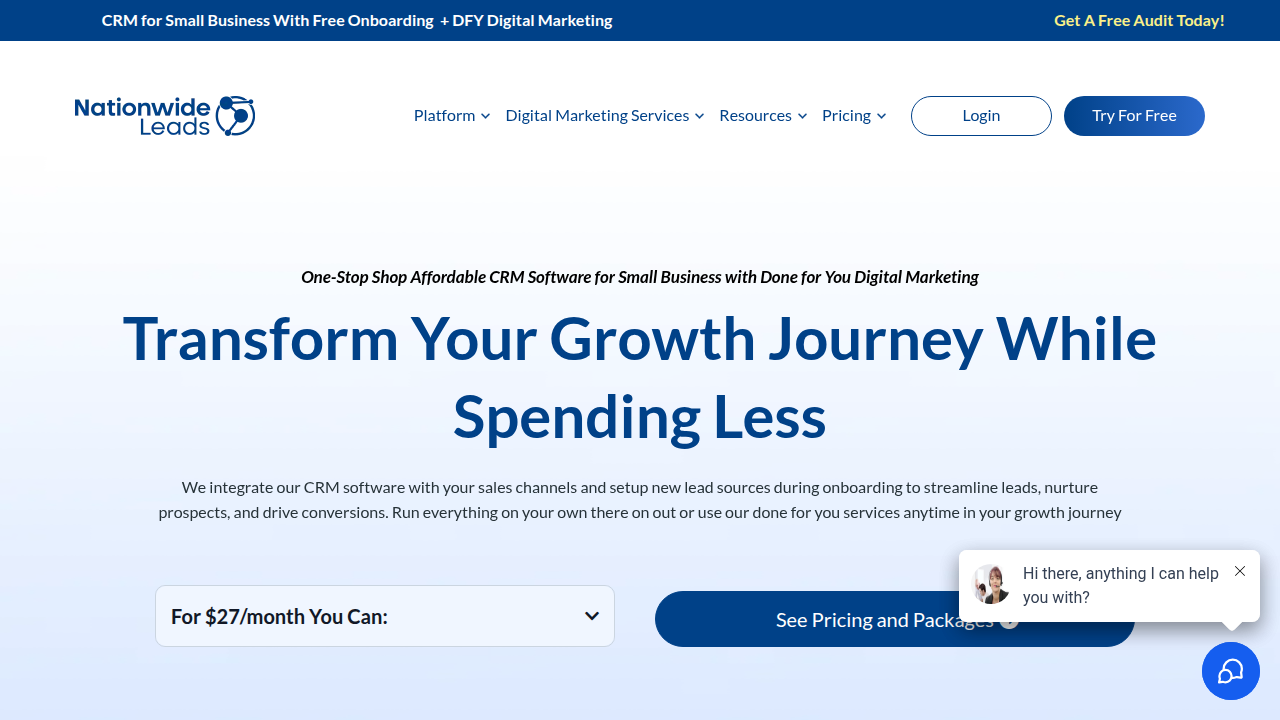
Without this, you risk missing payments or losing affiliates due to slow reporting.
So what criteria should you use to choose?
Integration capabilities come first. Your tool should connect with your email service, your website platform, and any analytics you use. If it does not integrate, you will spend more time moving data around manually.
Ease of use matters more than you think. A powerful tool that confuses you will collect dust. Look for clean interfaces and good onboarding. The Voluum team points out that the best affiliate marketing tools for 2026 help you upgrade your current toolset and unlock higher productivity. But only if you actually use them.
Pricing must match your scale. Do not pay for enterprise features when you have ten affiliates. Start with a basic plan and upgrade as you grow.
Scalability is the hidden trap. Your tool should handle growth without forcing you to migrate platforms. Switching tools mid growth costs time and can break your affiliate links.
Here is a simple way to start. Make a list of your most important workflows. If you create a lot of content, prioritize tools with AI writing and image generation. If you manage many partners, prioritize tracking and reporting.
Once you pick your core platform, you can connect it with a visual automation tool like Make to orchestrate workflows across apps without writing code. That is how you go from basic automation to full system efficiency.
If you are new to this world and feel overwhelmed, start with one tool. Master it. Then add another. Many successful affiliates began with just a simple tracking system and a blog. Over time, they layered in more advanced tools. You might find it helpful to read about how to build an affiliate marketing side hustle in 2026 with 8 steps to see how others started small.
And if you want to build deeper skills, consider structured training. Programs like Careerist offer immersive training and career coaching that help you turn your affiliate work into a full time career. That is how you go from picking tools to mastering the business behind them.
The right tool stack does not have to be expensive or complicated. Pick for your needs, test before you commit, and always think about what happens when you grow. That is the smart way to automate affiliate marketing in 2026.
Automating Content Creation: Reviews, Comparisons, and SEO
Now that you have picked your automation tools, the next step is content. In affiliate marketing, content is everything. Product reviews, comparison tables, and SEO articles bring in traffic. But writing all of that yourself takes forever.
Here is the good news. You can automate a lot of the process without sounding like a robot. The trick is knowing what to automate and what to keep human.
In 2026, the sites that win are the ones combining structured strategy with automation that supports SEO, research, and editorial consistency source. That means using AI as your assistant, not your replacement.
Start with product reviews. AI writing tools can draft a full review from your notes. You input your honest experience. The tool turns that into a clean, readable article.
You edit for tone and personality. That saves you hours per post. Tools like Jasper work well for this. It is considered one of the best automated content creation tools in 2026 for marketing copy source.
Then tackle comparison content. Comparison tables are gold for affiliate sites. Readers love them because they show side by side differences. You can automate the table structure, pull product specs from feeds, and even generate pros and cons lists. You just add your real opinion on top.
Do not forget SEO. You cannot rank in 2026 without solid search optimization. Automated SEO tools help you find keywords, optimize headings, check readability, and suggest internal links. The trend in 2026 is to blend AI efficiency with human centric content that builds trust source. That balance is what drives discoverability.
But here is a warning you need to hear. Google’s March 2026 Core Update hit affiliate sites harder than any other category source. Sites with thin, low effort content got crushed. The ones that survived had genuine authority and personal experience baked into every post.
That is why maintaining E-E-A-T in automated content is so important. Google’s emphasis on content quality and creator credibility has intensified throughout 2025 and 2026, making E-E-A-T optimization mandatory source. Your automated content must still reflect real experience. Show that you have actually used the products you promote.
How do you keep that authenticity? Record your own video reviews and transcribe them. Collect real customer feedback and blend it with your testing. Use AI to organize your knowledge, not to invent opinions you do not have.
Building genuine expertise in your niche also takes structured learning. Sometimes you need to level up your own skills before you can write authoritatively. Training like Careerist helps you develop real expertise in tech and business fields. That kind of hands on experience shows through in your content and builds the trust Google rewards.
If you want to see how others build complete AI content systems, check out this full course on building an affiliate AI content system in 2026 source. It walks through the entire process from research to publishing.
For more on integrating AI into your overall strategy, read our guide on AI affiliate marketing programs. It covers how to pair automation with real authority.
The formula is simple. Automate the repetitive parts. Keep your voice in everything that builds trust. That is how you scale content creation without losing the human element that makes affiliate marketing work in 2026.
Streamlining Affiliate Program Management for Merchants
Now that you have content creation under control, the next piece is managing your affiliate program itself. If you are a merchant running your own program, you know how messy it can get. You have to find new affiliates, approve their applications, calculate commissions, issue payouts, and keep everyone engaged. Doing all of that by hand? It is a nightmare.
That is where automation comes in. In 2026, the best affiliate marketing tools can handle almost all of the repetitive admin work for you. Platforms like the ones listed on NationwideLeads offer features that automate recruitment, application approvals, commission calculations, and payouts. You set the rules once, and the system runs on autopilot.
Here are the three key areas where automation saves you the most time:
- Recruitment and approvals. Instead of manually vetting every applicant, you can set criteria. The system auto-approves quality partners and flags others for review.
- Commission tracking and payouts. No more spreadsheets. The software tracks every sale from your affiliate links and calculates what you owe. Payouts happen automatically on your schedule.
- Performance dashboards. You get real-time insights into affiliate activity, clicks, conversions, and ROI. No guesswork. You can see exactly which partners drive results and which need support.
Communication is just as important. Automated emails and newsletters keep your affiliates informed about new promotions, product launches, or policy changes. This keeps them engaged without you sending individual messages. Tools like the ones featured in GetResponse’s list make this simple.
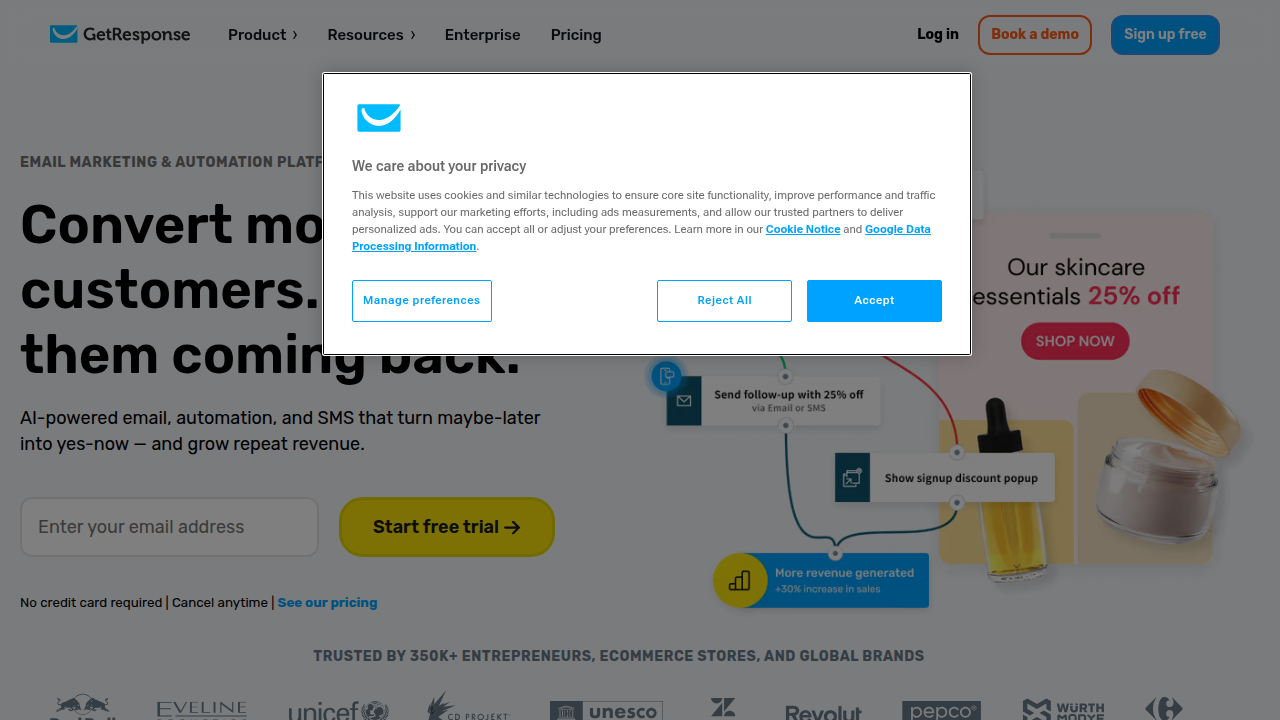
If you want to build a program that scales, you need a system that handles the busy work. And if you are new to the merchant side, taking a structured course like Careerist can help you develop the digital skills needed to manage affiliate partnerships effectively.
For more on how merchants succeed with affiliate networks, check out our guide on how affiliates and merchants thrive on CJ. It covers the exact strategies that top programs use in 2026.
With the right automation, you can stop wrestling with admin and start focusing on growth.
Ensuring Brand Consistency and Compliance at Scale
Once you have automation handling the admin side, the next big challenge is keeping your brand voice consistent across every single affiliate. Nothing damages trust faster than seeing a brand promoted with wrong messaging or missing disclaimers.
In 2026, this matters even more. Google’s March 2026 core update hit affiliate sites harder than any other category. Sites with inconsistent or low-quality content lost rankings fast. So compliance is not a nice to have. It is a must.
Here is how you can automate affiliate marketing compliance to protect your brand:
-
Lock in your brand guidelines. Instead of sending PDFs that nobody reads, use affiliate marketing tools that embed your rules directly into the platform. Affiliates see approved messaging, pre-written copy, and required disclaimers right where they work. This stops mistakes before they start.
-
Scan content for compliance automatically. Automated tools check every post, video, and ad for outdated links, missing disclosures, and off-brand language. They flag issues instantly so you can act fast. This is how you keep your reputation clean at scale.
-
Keep everything fresh. Offers change. Products update. Regulations shift. A good compliance system notifies affiliates automatically when they need to refresh old content. This protects everyone.
Think of it this way. A simple affiliate tracking software platform that also handles brand compliance saves you from endless manual audits. You set the rules once and the system runs on its own.
Consistent brand presentation builds trust with your audience. And trust is exactly what Google looks for with its E-E-A-T standards. When your affiliates use approved language and proper disclaimers, your brand looks professional and reliable. That helps you rank better and convert more.
For a deeper look at building trust as an affiliate, read our honest breakdown on whether affiliate marketing is worth it in 2026. It covers the credibility strategies that actually work today.
And if you want to master the skills needed to manage brand consistency across a large network, structured training can help. Programs like Avocademy teach content strategy and user experience principles that make brand compliance feel natural.
Measuring Success: Automated Analytics and Performance Optimization
You have set up compliance. You have locked in brand guidelines. But here is the big question. How do you know any of it is working?
Manually checking every affiliate link and campaign report gets overwhelming fast. When you run a large network, you cannot dig through spreadsheets every week. You need a clear view of what drives results and what wastes time.
The answer is automation. Automate affiliate marketing analytics, and you get real-time data without the manual grind.
The One Dashboard to Rule Them All
Automated dashboards pull data from every source into one place. Instead of logging into five different platforms, you see everything at a glance. This gives you a single source of truth for your entire program.
According to the 2026 affiliate marketing forecast from Digistore24, successful programs rely on unified analytics to stay competitive. When you can spot trends instantly, you react faster than your competitors.
Let the System Test for You
A/B testing does not have to be manual. Modern affiliate marketing tools let you set up split tests for landing pages, call to action buttons, and even affiliate links themselves. The system runs the tests, collects the data, and tells you which version wins.
Attribution modeling also improves with automation. You can see which channels drive conversions first touch, last touch, or multi touch. This helps you reward affiliates who actually move the needle, not just the last click.
For a deep look at what benchmarks look like in 2026, the Partnero affiliate marketing benchmarks guide provides solid numbers to compare your performance against industry standards.
The Metrics That Actually Matter
When you automate your reporting, focus on these key performance indicators:
| Metric | Why It Matters |
|---|---|
| Conversion rate | Shows how well your content turns visitors into customers. Shopify calls this the king of affiliate KPIs. |
| Click through rate | Tells you if your affiliate links are compelling enough to click. |
| Revenue per click | Reveals the true value of each visitor, not just the sale amount. |
| Customer lifetime value | Measures long term profit, not just one time commissions. |
According to the affiliate program performance statistics report from WeCanTrack, these metrics give you a complete picture of program health. Track them automatically, and you never miss a warning sign.
Take the Next Step
You do not need to become a data scientist to optimize your affiliate program. A simple affiliate tracking software platform that automates these reports changes everything. You set up the dashboards once and let the system do the math.
If you want to build the skills needed to really understand performance data, structured training can help. Programs like Le Wagon teach data analytics and marketing skills that make performance optimization feel natural.
For more context on choosing the right affiliate partnerships that stand up to data scrutiny, read our guide on successful affiliate marketing programs. It covers exactly how to evaluate partners before you let them into your network.
Overcoming Common Pitfalls in Affiliate Marketing Automation
Automation can save you hours. But here is the thing. It can also backfire if you rely on it too much. Many affiliates jump into automation without thinking about the downsides. Let us look at three common mistakes and how to avoid them.

Over-Automation Kills Personality
When you automate every email, every post, and every campaign, your content starts to feel generic. Readers can spot a robot voice from a mile away. Trust disappears fast.
The 2026 affiliate marketing forecast from Digistore24 warns that successful programs in 2026 focus on personalization. They do not just blast the same message to everyone. They keep a human touch.
The fix: Use automation for repetitive tasks like sending reports. But write your reviews, emails, and social posts yourself. Your audience wants your voice, not a template.
Poor Tool Integration Causes Data Silos
Automation only works when your tools talk to each other. If your email platform does not connect to your affiliate marketing tools or your analytics dashboard, you end up with scattered data. You spend more time copying numbers between systems than actually optimizing.
According to the affiliate program performance statistics report from WeCanTrack, fragmented data is one of the top reasons programs fail to scale. You cannot act on insights you cannot see.
The fix: Pick a simple affiliate tracking software platform that integrates with your existing stack. Or use an all-in-one solution like AffiliateHub Pro, which centralizes your content creation, tracking, and reporting into one place.
Ignoring the Human Element
Automation handles numbers. It cannot build relationships. Affiliates are people. They need encouragement, feedback, and creative freedom. If you automate all communication, your best partners feel ignored.

The Affilae strategy guide for 2026 emphasizes that brand advocacy and influencer relationships still drive the best results. No algorithm replaces a genuine partnership.
The fix: Set aside time each week to talk to your top affiliates. Send a personal message. Ask for their ideas. Automation can handle the delivery, but the relationship stays human.
If you want to sharpen your own skills to better manage these challenges, training can help. Le Wagon offers data analytics courses that teach you how to interpret automation reports without losing the strategic human touch.
For a deeper look at building real relationships with your partners, read our guide on how affiliates and merchants succeed on the CJ Affiliate Network. It covers exactly what keeps partnerships strong in 2026.
Keep automation as your assistant, not your boss. That is the real secret to long term success.
Future Trends: AI, Personalization, and Automation in 2026 and Beyond
The way we automate affiliate marketing is changing fast. By 2026, three big trends will reshape how you connect with your audience and run campaigns. Let us look ahead.
AI Brings Hyper-Personalization
Artificial intelligence now helps you show the right product to the right person at the right time. Instead of blasting the same affiliate links to everyone, AI tools can predict what each visitor needs right now.

The 2026 marketing predictions from Dotdigital call this moving from "who you are" to "what you need now." HubSpot’s AI predictions confirm that marketers are using one-to-one personalization to boost engagement and conversions. In practice, that means your automated emails, product recommendations, and even ad creatives adapt in real time.
Voice Search and Visual Commerce Create New Opportunities
People are searching with their voice and shopping through images more than ever. The 2026 marketing trends from Quad note a rise in AI-driven discovery alongside the demand for real human connection. This means you need to optimize your content for voice queries and visual searches. Automation will help here too. Imagine a simple affiliate tracking software platform that automatically generates voice-friendly product descriptions or tags images for visual commerce platforms. Those who prepare now will capture traffic from these growing channels.
Privacy Regulations Drive Smarter Automation
Cookie deprecation and stricter privacy laws are not slowing down. The Klaviyo marketing automation trends for 2026 emphasize that privacy and consent will drive personalization. In practice, you will need consent-based automation that collects data openly and respects user choices. This is not a limitation. It is a chance to build trust. Your affiliate marketing tools should now focus on first-party data and transparent tracking.
To stay ahead, consider learning how AI is already transforming the industry. Read our guide on AI affiliate marketing in 2026 to see which programs are leading the way. And if you want to build the technical skills to implement these trends, Careerist offers immersive tech training that can help you master modern marketing tools.
The future belongs to affiliates who blend smart automation with genuine human connection. Start preparing now.
Summary
This article explains how to automate affiliate marketing so you can scale faster, save time, and stop managing programs by hand. It covers why automation matters, which tool categories to prioritize (tracking, content, program management, integrations), and the first workflows to automate—like link tracking, content drafting, compliance checks, and payouts. The guide shows how to use AI responsibly to speed up reviews and comparisons while preserving E-E-A-T and personal experience, and it explains how merchants can automate recruitment, commissions, and reporting. You’ll learn practical selection criteria for tools, ways to unify data with dashboards and A/B tests, and common pitfalls such as over-automation and data silos. The article also looks ahead at trends—hyper-personalization, voice/visual commerce, and privacy-driven tracking—and gives clear steps to start small, iterate, and scale your affiliate system without losing the human relationships that drive performance.