Reviews & Guides from Our Experts

Top 10 Affiliate Programs Websites to Earn Real Money in 2026

Introduction
Picking the right platform from all the affiliate programs websites out there can feel overwhelming.

With so many options promising big earnings, it is easy to waste time and money on the wrong choice.
Here is the truth. Affiliate marketing is bigger than ever. The global industry is valued at over $18.5 billion in 2026, according to recent data. The affiliate marketing platforms market alone is expected to reach nearly $24 billion this year. Over 80% of brands now use affiliate programs to grow their sales. In the US, investment hit $13.62 billion in 2024 and generated over $113 billion in ecommerce sales.
That is a lot of opportunity. But not all affiliate programs websites are built the same. Some work great for beginners who want simple links. Others are better for experienced marketers looking for advanced analytics. Some focus on physical products from Amazon or Flipkart, while others specialize in digital services or SaaS tools.
So how do you find the best affiliate marketing websites for your specific goals? One smart approach is to build skills in content creation and digital marketing along the way. Programs like Careerist offer hands-on tech training that can help you stand out from other affiliates.
That is what this guide is for. We will walk through the top 10 affiliate marketing websites and give you a clear framework to evaluate each one. You will learn what to look for, what to avoid, and how to pick the right fit for your audience and income goals. If you want a deeper look at one of the biggest programs, check out our complete guide to Amazon affiliate marketing in 2026.
If you are ready to stop guessing and start earning, let us dive in.
Understanding Affiliate Programs Websites: What They Are and Why They Matter
Before we jump into the top picks, let us get clear on what affiliate programs websites actually are. You have probably heard the term thrown around a lot. But here is the simple version.
Think of an affiliate marketing platform as a middleman. It sits between you (the affiliate) and the merchant (the brand selling something).
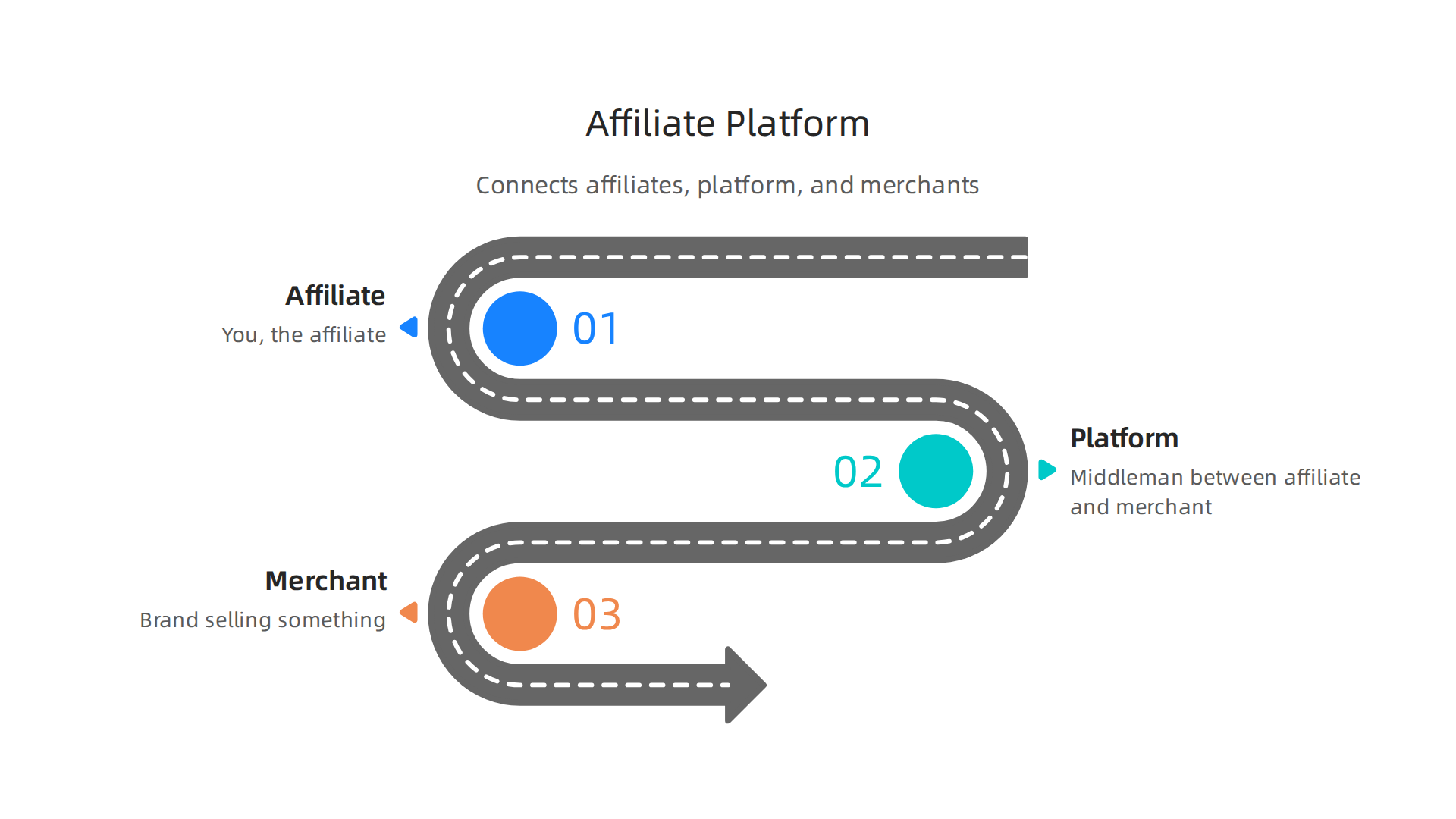
Instead of you going to every single company and begging for a unique link, these platforms do the heavy lifting. They host thousands of affiliate programs in one place.
When you join a platform like ShareASale, Impact, or CJ Affiliate, you get access to a dashboard full of merchants.
You pick the ones that match your audience. The platform gives you a special tracking link. When someone clicks that link and buys something, the platform records the sale. It also handles the payment so the merchant does not have to pay you directly.
This system matters for three big reasons.
First, scalability. Managing individual relationships with ten different merchants is a nightmare. You would need separate logins, separate reports, and separate payment schedules. A good best affiliate marketing websites platform gives you one dashboard to track everything. That frees up time to actually create content.
Second, vetted programs. Most platforms screen their merchants. You are less likely to waste time promoting a scammy product or a company that will not pay you. That protection is gold for beginners.
Third, reliable tracking and payments. The platform uses cookies and pixel tracking to make sure you get credit for every sale. According to recent data, over 80% of brands now use affiliate programs to grow their business. The global affiliate marketing platforms market alone is expected to reach nearly $24 billion in 2026, as reported by Grand View Research. That kind of growth means these platforms keep getting better at paying you on time.
If you want to build skills that make you a stronger affiliate, consider training programs like Careerist. They offer hands-on tech training that can help you stand out in a crowded space.
For a deeper look at how one of the biggest programs works, check out our guide on how to be a profitable Amazon marketing affiliate in 2026.
Now that you know what to look for, let us get into the actual list. Here are the top 10 affiliate programs websites that can help you earn real money in 2026.
Key Criteria for Evaluating Affiliate Programs Websites
Now that you know what affiliate programs websites do, how do you pick the right one? Not every platform is built the same. Some pay more. Some are easier to use. Some have better support. Here are the main things to check before you sign up for any best affiliate marketing websites program.
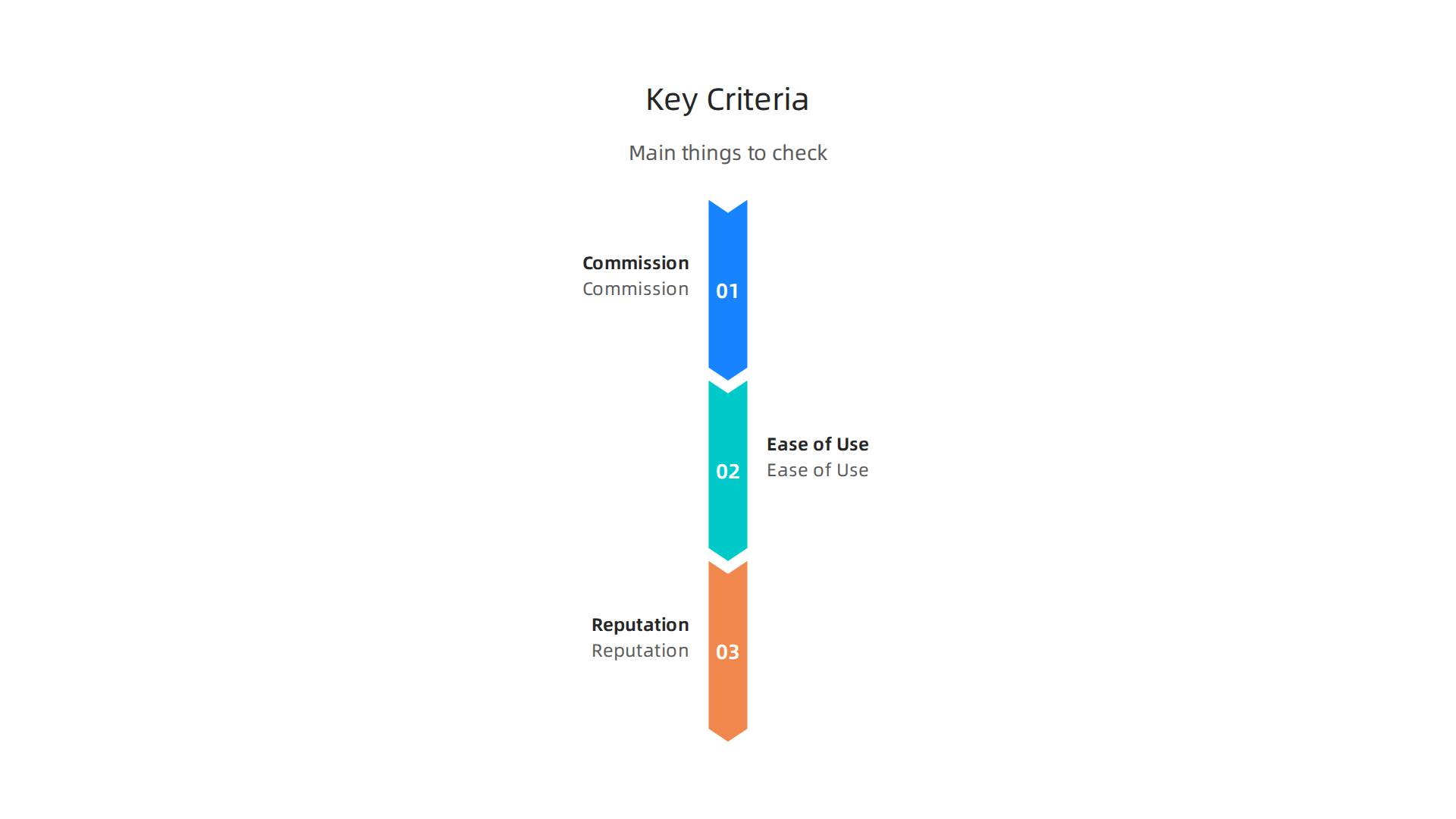
Commission Structures, Cookie Durations, and Payment Thresholds
This is the money part. Commission structures tell you how much you earn per sale. Some programs pay a flat rate. Others pay a percentage. For example, high ticket items might offer 10% to 20%. Digital products often pay 30% to 50%. You want a structure that matches your audience and content.
Cookie duration matters a lot. A cookie is a tiny tracker on your visitor’s browser. If someone clicks your link but buys three days later, the cookie decides if you still get credit. Short cookies (24 hours) are common. Longer cookies (30 to 90 days) give you a much better chance. Always look for programs with longer cookie windows.
Payment thresholds are the minimum amount you must earn before getting paid. Some platforms pay at $50. Others make you wait until $100 or more. Lower thresholds mean you get your money faster. This is key for beginners. As one guide on choosing the right affiliate program explains, payout frequency and thresholds directly affect your cash flow.
Ease of Use, Reporting, and Integration Options
You do not want a platform that feels like rocket science. Ease of use means a clean dashboard where you can find links, banners, and reports fast. The best affiliate marketing platforms let you sort merchants by category, commission, or popularity.
Reporting capabilities are your best friend. You need to see clicks, conversions, and earnings per merchant. Some platforms also show earnings per click (EPC), which helps you compare programs side by side. According to Partnero, EPC is a crucial benchmark that tells you which products are worth your time.
Integration options matter if you use tools like email marketing software or landing page builders. A platform that works with your existing setup saves hours of frustration.
Reputation, Support Quality, and Community Trust
Finally, look at the platform’s reputation. Are real affiliates happy with it? Do they get paid on time? Check reviews, forums, and social media. Good affiliate programs websites have responsive support teams. If you get stuck, you want someone to answer within a day, not a week.
Community trust also comes from how long the platform has been around. Older platforms like ShareASale and CJ Affiliate have years of track records. Newer ones might offer better commissions but carry more risk.
If you want to build skills that make you stand out, consider taking a structured course. Programs like Careerist offer hands on tech training that can help you manage your affiliate business more effectively.
For a deeper look at one of the biggest programs, check out our guide on how to succeed with affiliate marketing at Amazon in 2026.
Now that you know what to look for, let us dive into the top 10 affiliate programs websites that check all these boxes.
Top Categories of Affiliate Programs Websites
Now that you know what to look for, it is time to break down the main types of affiliate programs websites. Each category works a little differently. Understanding them helps you pick the best fit for your content and audience.
Here are the three big categories you will find in 2026.
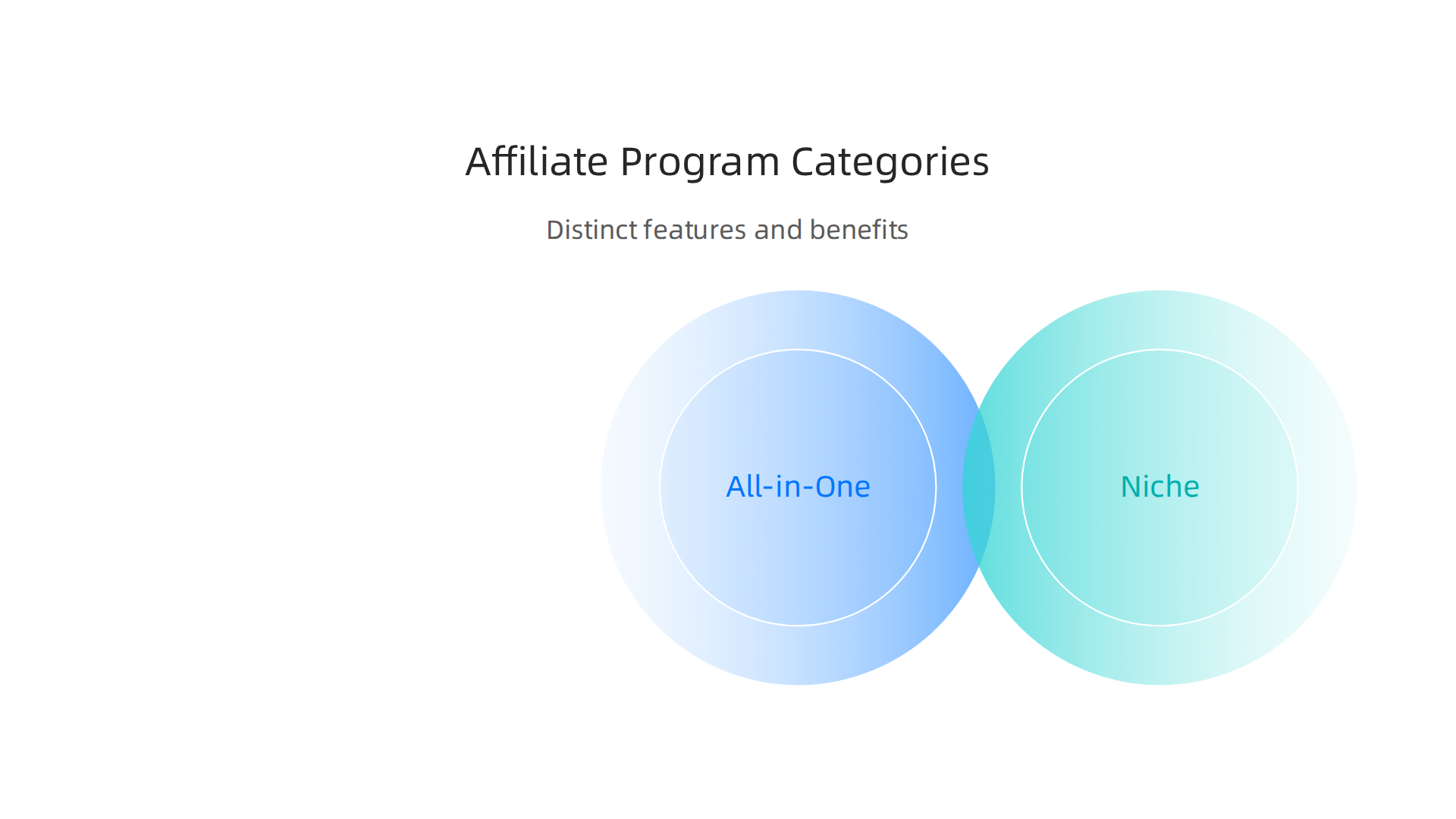
All-in-One Affiliate Networks
These are the biggest and most well-known platforms. Think of them as giant marketplaces. They connect thousands of merchants with millions of affiliates. You sign up once and get access to hundreds or even thousands of brands.
Examples include CJ Affiliate, ShareASale, and Impact. These networks handle tracking, payments, and reporting for you. They are great for beginners because you can test different products without joining each merchant separately. Many of the top 10 affiliate marketing websites list these networks as the starting point.
According to a 2026 roundup from RichAds, CJ Affiliate and ShareASale remain top choices for their reliability and merchant variety. The downside? You may face stricter approval processes for certain programs.
Niche Networks
Niche networks focus on one specific industry or vertical. Instead of offering everything, they specialize. For example, Skimlinks focuses on fashion and lifestyle. AvantLink covers outdoor gear and adventure. Partnerize has a strong presence in travel and retail.
These networks are perfect if your content is about a single topic. The merchants there already know their audience. You get higher relevance and often better commissions. In a 2026 guide on ecommerce affiliate programs, Yotpo highlighted that niche networks help affiliates convert better because the products match the reader’s intent more closely.
If you run a blog about fashion, you do not need a general network. A niche network will give you fewer but better offers.
In-House Merchant Programs
Some big companies run their own affiliate programs. They do not use third-party networks. You apply directly on their site. Examples include Amazon Associates, Shopify Affiliate, and Ecomposer (a Shopify app builder).
In-house programs often have simpler rules. You get paid directly by the company. The trade-off? You usually have less tracking data and fewer reporting tools. But the commissions can be excellent, especially with digital products.
For Amazon Associates, one of the most popular affiliate marketing platforms, you can earn up to 10% on some categories. To make the most of it, check out our guide on how to maximize earnings with Amazon Associates affiliate marketing.
Which Category Should You Pick?
It depends on your goals.
- All-in-one networks are best for trying many products quickly.
- Niche networks work well for focused content.
- In-house programs are ideal when you trust a specific brand and want direct payouts.
Many successful affiliates use a mix of all three. They join a network like ShareASale for variety, a niche network like Skimlinks for their main topic, and an in-house program like Shopify for their specific recommendations.
If you want to build the skills to manage multiple programs effectively, consider structured training. Careerist offers hands-on tech training that can help you organize your affiliate business and track performance like a pro.
Now that you understand the categories, let us look at our top picks for the best affiliate programs websites in 2026.
How to Choose the Right Affiliate Programs Website for Your Business
So you know the three main categories of affiliate programs websites. But which one should you actually join? It can feel overwhelming when you see hundreds of options. Here is a simple step-by-step process to help you decide.
Step 1: Define Your Goals and Audience
Start with yourself. What kind of content do you create? Who reads it? If you run a blog about hiking gear, an in-house program from a camping brand may work better than a general network. If you cover many topics, an all-in-one network gives you more flexibility.
Ask yourself: do you want high commissions per sale, or are you okay with lower rates but more consistency? According to PostAffiliatePro, looking at commission structures and payout frequency is a key factor when choosing the right affiliate program. Write down what matters most to you before you browse.
Step 2: Look at the Numbers
Once you have a shortlist of programs, check the important metrics. The most useful one is EPC (Earnings Per Click). EPC tells you how much money each click from your link brings. Partnero explains that EPC helps you compare different programs and focus on the most profitable ones.
Other numbers to check:
- Cookie window – How long after a click do you still get credit?
- Conversion rate – What percentage of clicks turn into sales?
- Average order value – Higher value means higher commissions.
You can find these numbers inside affiliate network dashboards or from merchant reports. Tracking these affiliate marketing platforms metrics early saves you from wasting time on low-performing programs.
Step 3: Test Before You Commit
Do not sign up for ten programs at once. Pick two or three from your shortlist. Join them, add links to a few posts, and see what happens. Give yourself at least 30 days.
During the trial period, ask yourself:
- Are the tracking and reporting tools easy to use?
- Is the affiliate manager responsive?
- Do your readers actually buy the products?
You can also check community feedback. Look at forums, Reddit threads, or sites like Affiliate.Watch to see what other affiliates say about the program.
Step 4: Consider Your Perspective
Are you an affiliate or a merchant? This guide focuses on affiliates, but the same steps work for merchants choosing an affiliate platform to run their own program. Merchants should look at tools for recruiting affiliates, managing payouts, and tracking performance. A 2026 guide from Tapfiliate notes that platforms like Refersion and FirstPromoter work well for different business types.
Step 5: Build Your Skills
Once you pick the right program, you need to manage it well. Tracking performance across multiple programs takes some skill. If you want to get better at organizing your affiliate business, consider structured training. Careerist offers hands-on tech training that covers performance tracking and business organization. It can help you stay on top of your metrics and grow your income.
Choosing the right affiliate programs websites does not have to be hard. Match your goals, check the numbers, test a few, and get feedback. That is the smart path to long-term success.
Next, check out our complete guide on creating a successful affiliate marketing plan for more practical steps.
Best Practices for Affiliates: Maximizing Earnings Through Affiliate Programs Websites
You picked the right programs. You set up your links. But now comes the real work. How do you actually make money? Here are three proven best practices that help you get the most out of your affiliate programs websites.
1. Create Content That Builds Trust
Your readers are smart. They can smell a sales pitch from a mile away. That is why your content must be genuinely helpful first.
Focus on three content types that work best:
- Honest reviews – Share what you really think. Include pros and cons.
- Side by side comparisons – Help readers choose between two products.
- Step by step tutorials – Show how a product solves a real problem.
A solid affiliate marketing content strategy is all about delivering value rather than pushing products. According to Jasper.ai, building trust through useful content is the foundation of high conversions. The Affilorama guide on content creation also emphasizes that understanding your audience and defining clear messaging are the first steps to creating content that actually sells.
Remember this simple rule: if your content helps someone make a better decision, they will trust you. And trust leads to clicks and commissions.
2. Use Data to Make Smarter Choices
Here is the thing. You cannot improve what you do not measure. That is why analytics matter so much.
Start looking at your numbers every week. Which links get the most clicks? Which products convert best?
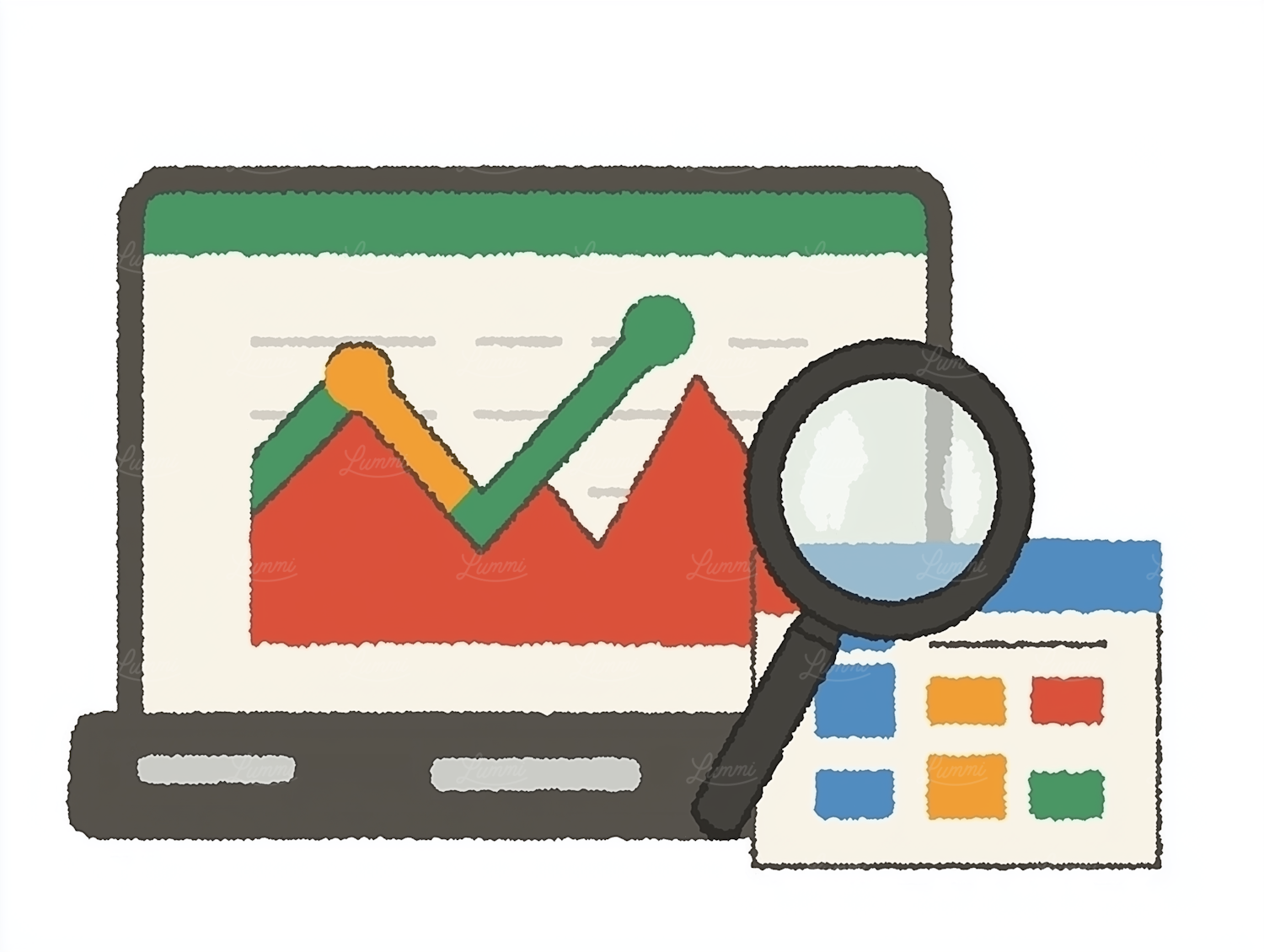
Try changing one thing at a time. For example:
- Test different call to action buttons.
- Try placing your link earlier in the article.
- Change the anchor text from "click here" to something more descriptive.
This is called split testing. It helps you see what your audience actually responds to.
If you want to get serious about tracking your performance, consider building your skills with structured training. Careerist offers hands on tech training that covers performance tracking and business organization. It can help you stay on top of your metrics and grow your income.
3. Diversify Your Affiliate Programs
Do not put all your eggs in one basket. If you rely on a single program and it changes its rules or lowers commissions, your income could drop fast.
A better approach is to build a diversified portfolio of programs. Spread your links across different:
- Product types (physical goods, digital products, services)
- Commission structures (high ticket vs. low ticket)
- Affiliate networks (in-house programs plus a general network)
This way, if one program slows down, the others keep you going. For example, you could combine Amazon Associates for physical products with the Flipkart Affiliate Program for the Indian market. Looking into best affiliate marketing websites across different niches gives you more stability.
The impact.com guide on advanced affiliate marketing strategies recommends partnering with multiple merchants to create a resilient income stream. It takes a bit more work upfront, but it pays off in the long run.
Start with these three practices. Create trust based content. Watch your data. Diversify your programs. That is the real path to maximizing your earnings through affiliate programs websites.
Best Practices for Merchants: Attracting Quality Affiliates and Managing Programs
Now that you know how affiliates can succeed, let’s flip the script. If you are a merchant running an affiliate program, your job looks different. You need to attract the right partners and keep them motivated. That is where smart management comes in. Here are three best practices for making your affiliate programs websites work for you.
1. Craft a Compelling Offer with Competitive Commissions
Here is the reality. Top affiliates have choices. They look for programs that pay well and treat partners fairly. So your commission structure needs to stand out.
Start by researching what other merchants in your niche offer. Then aim to beat them. You can try:
- Tiered commissions that increase as affiliates sell more.
- Performance bonuses for top earners each month.
- Higher cookie windows so affiliates have more time to earn a sale.
According to PartnerStack, adding competitive commission incentives is one of the top tactics to win in 2026. The right offer attracts serious affiliates who will promote your products consistently.
Remember, a great offer is only part of the picture. You also need to make it easy for affiliates to say yes. Clear payout terms and a simple sign up process go a long way.
2. Give Affiliates the Resources They Need
Affiliates cannot sell your product well if they do not understand it. That is why you must provide solid marketing assets and training materials.
Think about what your affiliates need:
- Product images and videos they can use in their content.
- Sample posts and email templates to save them time.
- Data feeds with updated product info and prices.
- Training guides that explain your brand story and key features.
When you give affiliates these tools, they create better content. And better content leads to more sales. For a deeper look at building a successful program from scratch, check out this 2026 blueprint for successful affiliate marketing programs.
Do not stop at one time training. Keep updating your resources and send regular tips through a newsletter or dashboard. Affiliates who feel supported stick around longer.
3. Monitor Performance and Build Real Relationships
Running a program is not a set it and forget it task. You need to watch the numbers and stay in touch.
Start by tracking key metrics like clicks, conversion rates, and revenue per affiliate. Use tools like Tapfiliate or other affiliate marketing platforms to simplify reporting. Spot top performers early and reward them. For underperformers, offer help instead of cutting them loose.
Also enforce clear brand guidelines. Make sure affiliates are not using spammy tactics or misleading claims. According to ATTN Agency, effective affiliate program management requires continuous monitoring and optimization.
But numbers are only half the story. Building personal relationships with your best affiliates makes a huge difference. Send a personal note. Ask for feedback. Consider investing in training platforms like Careerist to sharpen your own management skills and learn how to nurture partner relationships.
When you treat affiliates like valued partners, they will go the extra mile for your brand.

And that is how you turn your affiliate programs websites into a steady source of growth.
Common Mistakes to Avoid When Using Affiliate Programs Websites
Even smart affiliates make mistakes. The good news is you can avoid them. Here are the most common errors people make when working with affiliate programs websites and how to sidestep them.
1. Overlooking Program Terms
Here is the thing. Many affiliates jump into a program without reading the fine print. That is a big mistake. You need to understand three key terms before you join:
- Cookie duration: How long after someone clicks your link do you get credit? Some programs offer 24 hours. Others give 30 days or more. Longer windows mean more chances to earn.
- Payment terms: When do you get paid? Monthly? Quarterly? Is there a minimum payout threshold?
- Exclusivity rules: Some programs require you to promote only their products. Others let you work with competitors.
According to PartnerStack, top performers focus on programs with clear, fair terms. So read everything before you click "join."
2. Joining Too Many Programs Without Focus
This one is tempting. You see all those best affiliate marketing websites and think, "I will join them all and see what sticks." But spreading yourself too thin usually backfires.
Why? Because your audience trusts you to recommend things that fit them. If you promote a random mix of products, your readers get confused. They stop clicking your links.
Instead, pick a niche and stick with it. If you write about parenting, promote parenting tools. If you review software, stick with tech. Affilorama explains that building content around a focused audience leads to higher conversions. Your audience alignment matters more than the number of programs you join.
3. Neglecting to Track Performance Data
Some affiliates set up their links and never check the numbers again. That is like driving with your eyes closed.
You need to track what is working. Look at clicks, conversion rates, and revenue per link. If a product is not selling, swap it out. If a certain type of content gets more clicks, make more of it.
A solid content strategy helps you stay on top of these metrics. For a deeper look at building content that converts, check out this 2026 blueprint for successful affiliate marketing programs.
And if you want to sharpen your overall management skills, consider investing in career training through Careerist. Learning how to analyze performance data and nurture partner relationships can boost your earnings in a big way.
Remember, avoiding these three mistakes will help you build a sustainable income stream from your affiliate programs websites.
Future Trends in Affiliate Programs Websites 2026 and Beyond
The affiliate marketing world is not slowing down. The global market is projected to grow to over $20 billion in 2026, according to PostAffiliatePro. And 57% of marketers are increasing their investment in this channel, as Fintel Connect reports. So where is it all heading? Here are three big trends shaping affiliate programs websites right now and beyond.
1. AI Is Changing How You Create and Match Content
Artificial intelligence is no longer a futuristic idea. It is here and it is helping affiliates save time and earn more. AI tools can now write product reviews, suggest keywords, and even recommend which programs fit your niche best.

According to Partnerize, AI-powered fraud detection and attribution tools are becoming must-haves for top platforms.
For affiliates, this means less guesswork and more focus on strategy. If you want to dive deeper into how AI is reshaping the field, check out this guide on AI affiliate marketing.
2. Cookie-less Tracking and Smarter Attribution
Cookies are fading out. Third-party cookies are disappearing, and that changes how affiliate programs websites track sales. The solution? Alternative attribution models. These include server-side tracking, unique coupon codes, and machine learning based attribution. The same Partnerize article highlights that platforms now need robust attribution tools to survive in this new landscape.
What does that mean for you? You will need to choose programs that offer reliable tracking beyond cookies. Look for networks that use multiple signals to credit your sales.
3. The Rise of Influencer Centric and Subscription Programs
Influencers are becoming the new face of affiliate marketing. Platforms that cater specifically to content creators are growing fast. At the same time, subscription based programs are on the rise. Instead of a one time commission, these programs pay you recurring commissions for as long as a customer stays subscribed.
Affilae notes that brand advocacy and influencer strategy are driving performance in 2026. So if you have a loyal audience, subscription programs can give you steady monthly income.
To stay ahead of these trends, consider sharpening your digital skills. Programs like Careerist offer training in tech fields that can help you understand analytics and partner management better.

The future of best affiliate marketing websites is bright. The key is to adapt early and keep learning.
Summary
This guide explains how to find and use the best affiliate programs websites in 2026, covering what these platforms do, the main categories (all-in-one networks, niche networks, and in-house programs), and why they matter for scaling affiliate income. It walks through the key evaluation criteria—commission structures, cookie durations, payment thresholds, reporting, reputation—and gives a clear, step-by-step process to pick the right program for your audience. You’ll learn practical best practices for creating trust-based content, using data to optimize performance, and diversifying your income, plus tips merchants can use to attract and manage quality affiliates. The article also lists common mistakes to avoid and highlights future trends like AI tools, subscription commissions, and cookie-less attribution so you can adapt early. After reading, you’ll be able to shortlist, test, and manage affiliate programs that fit your goals and grow a more stable revenue stream.