Reviews & Guides from Our Experts

How to Start Pinterest Affiliate Marketing and Boost Your Earnings

Why Pinterest Is a Unique Opportunity for Affiliates (and How to Start)
Have you ever thought about Pinterest as more than just a place to find pretty pictures? Actually, it acts like a giant visual search engine. People go to Pinterest to look for ideas for their homes, new recipes, fashion inspiration, and even products they want to buy. This makes it a very special place for anyone interested in making money through affiliate marketing.
Users on Pinterest often have a strong desire to buy things. They are not just browsing; they are planning and dreaming about purchases.

Many of their searches are for general ideas, not specific brands. This means they are open to discovering new items and services. For example, in 2026, Pinterest reaches over 619 million people every month, and about 96% of searches on the platform are not for specific brands. This shows how ready users are to explore and find new products to love and buy 29 Essential Pinterest Statistics for Marketers in 2026.
While Pinterest has often been seen as a platform for women, with about 60% female users globally, the number of men using it is growing fast, up by 12% each year Pinterest Statistics 2026: 130+ Marketing Data Points. This growth opens up even more chances for smart affiliates.
If you are looking to get into or grow your earnings with pinterest affiliate marketing, this guide is for you. We will walk you through everything you need to know. You’ll learn the best strategies that are made just for Pinterest, how to make sure your affiliate links follow the rules, how to track what you earn, and clever ways to make your income grow year after year. Learning how to start affiliate marketing on this unique platform can truly boost your online business. We’ll even cover how to choose the right pinterest affiliate program to maximize your success.
Pinterest works so well for affiliate marketing because of how people use the platform. Think of it this way: when people go to Pinterest, they often already have a shopping mindset. They are looking for ideas, planning projects, and dreaming about things they might buy. They are not just scrolling through friends’ updates; they are actively searching for solutions and products.
In fact, most Pinterest users plan their purchases weeks in advance. A 2026 study found that users start looking into what they want to buy about 5.3 weeks before actually buying it, which is longer than on any other social media platform

TOP 20 PINTEREST MARKETING STATISTICS 2026. This long planning window is a huge plus for pinterest affiliate marketing. It means your content, like Pins and Idea Pins, can keep drawing people in over a long time. Researchers have noted that users with long-term buying goals tend to save and click on more content, acting like a warm lead for affiliates Understanding Behaviors that Lead to Purchasing: A Case Study ….
This creates an "evergreen" traffic stream. Unlike other platforms where posts disappear quickly, a Pin can be found months or even years after you first share it. If your Pins are made well and show up in search results, they can bring a steady flow of referral clicks to your affiliate links day after day. To really make this work for you and drive clicks, you need to know the best ways to set up and optimize your Pins. Learning pinterest affiliate marketing step by step strategies that drive clicks is key to making the most of this unique platform. You’ll want to choose the right pinterest affiliate program that matches what your audience is searching for. This is truly how to start affiliate marketing on Pinterest and see real success.
Setting Up a Pinterest-Optimized Affiliate Profile & Boards
Before you even make your first Pin with affiliate links, you need to get your Pinterest profile and boards ready.
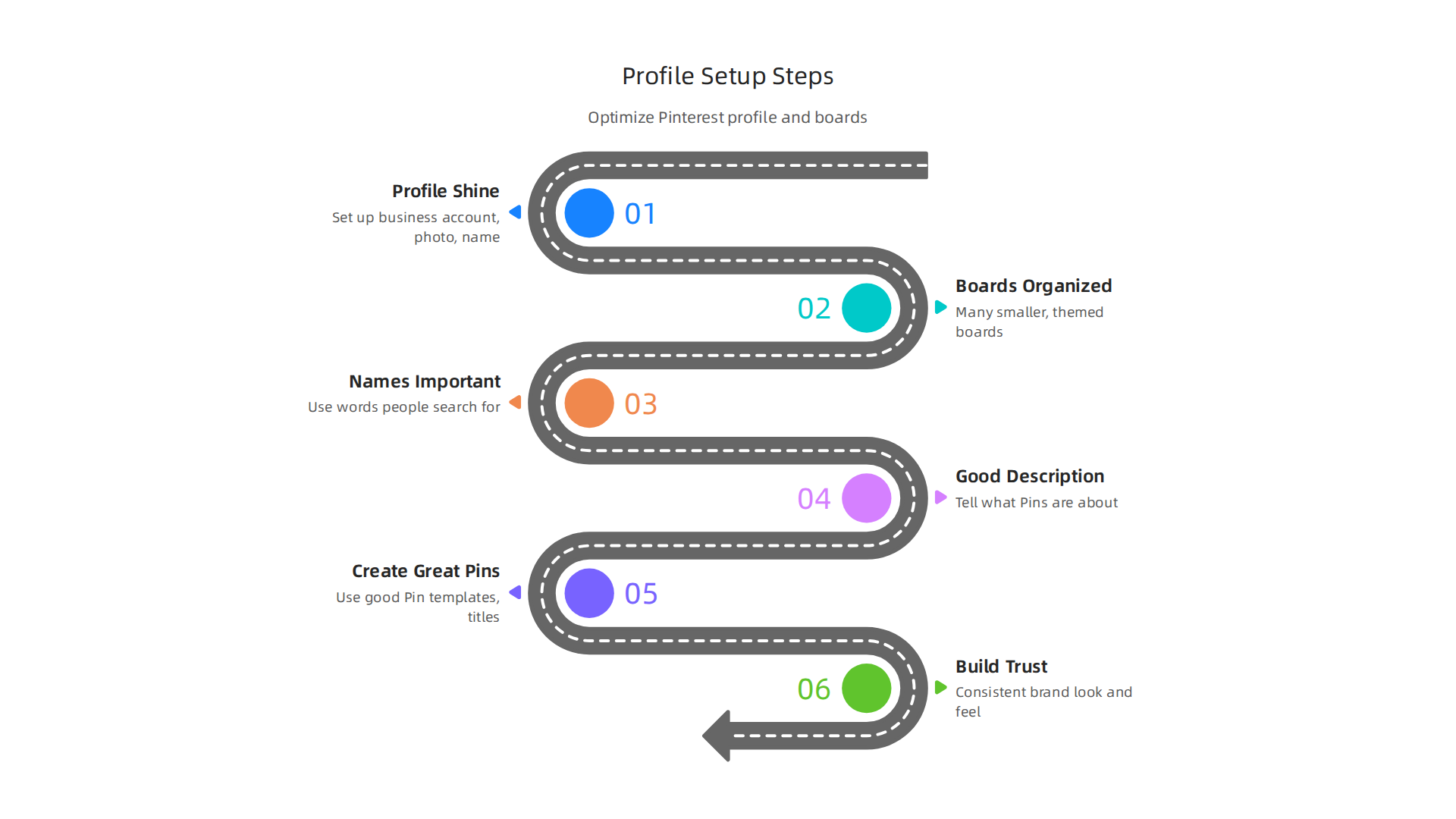
Think of your profile as your online store and your boards as the display shelves. They need to look good and be easy to understand so people trust you and find what they’re looking for. This is a very important step in how to start affiliate marketing on Pinterest.
Make Your Profile Shine
First, set up a Pinterest business account. It gives you extra tools to see how your Pins are doing. Choose a clear profile picture, maybe a friendly photo of yourself or a logo if you have one. Your name should be easy to remember and connect to what you do.
Next, fill out your "About You" section. This is where you tell people what your profile is all about. Use words people might search for, like "home decor ideas" or "healthy dinner recipes" if those are your topics. If you’re focusing on pinterest affiliate marketing, mention the kinds of products you’ll share. This helps Pinterest show your profile to the right people.
Organize Your Boards for Easy Discovery
Your boards are where you save your Pins. They should be very organized. Instead of one big board, make many smaller ones, each with a clear theme. For example, if you love gardening, you might have boards like "Easy Vegetable Garden Tips," "DIY Planters," or "Best Gardening Tools."
The names of your boards are super important. Use words that people actually type into the search bar. This is because people use Pinterest like a picture search engine. In fact, most searches on Pinterest are for general ideas, not specific brand names, as highlighted in the 2026 Pinterest Statistics report on Pinterest Statistics 2026: Users, Engagement & Marketing ….
This means using good keywords in your board titles and descriptions helps your content get found.
For each board, write a good description. Tell people what kind of Pins they will find there. Again, use helpful keywords. This helps Pinterest understand what your boards are about, which helps your affiliate links get seen by more people.
Create Great Pins and Build Trust
Once your profile and boards are ready, you can start making Pins. Use good Pin templates to make your Pins look nice and stand out. Make sure the titles of your Pins are clear and use keywords too. This helps with search and discoverability.
Keeping your brand looking the same everywhere is also key. Use the same colors, fonts, and style on all your Pins. This makes your content easy to recognize and helps people trust you. When people trust you, they are more likely to click on your affiliate links and consider buying the products you recommend. This consistent look and feel helps your pinterest affiliate program grow.
Getting your profile and boards ready is the first big step in how to start affiliate marketing on Pinterest. For a broader look at starting an online business with affiliate marketing, consider our guide on how to start affiliate marketing in 2026. Remember, being open about your affiliate links also builds trust. Learn to write a compliant disclaimer for affiliate links for all your Pins to make sure your audience knows they are clicking on a recommendation.
After getting your Pinterest profile and boards just right, the next step in pinterest affiliate marketing is to create great content that people love. Pinterest offers different ways to share your ideas and products. Knowing which content format to use and when can really help your affiliate links get noticed and lead to sales.
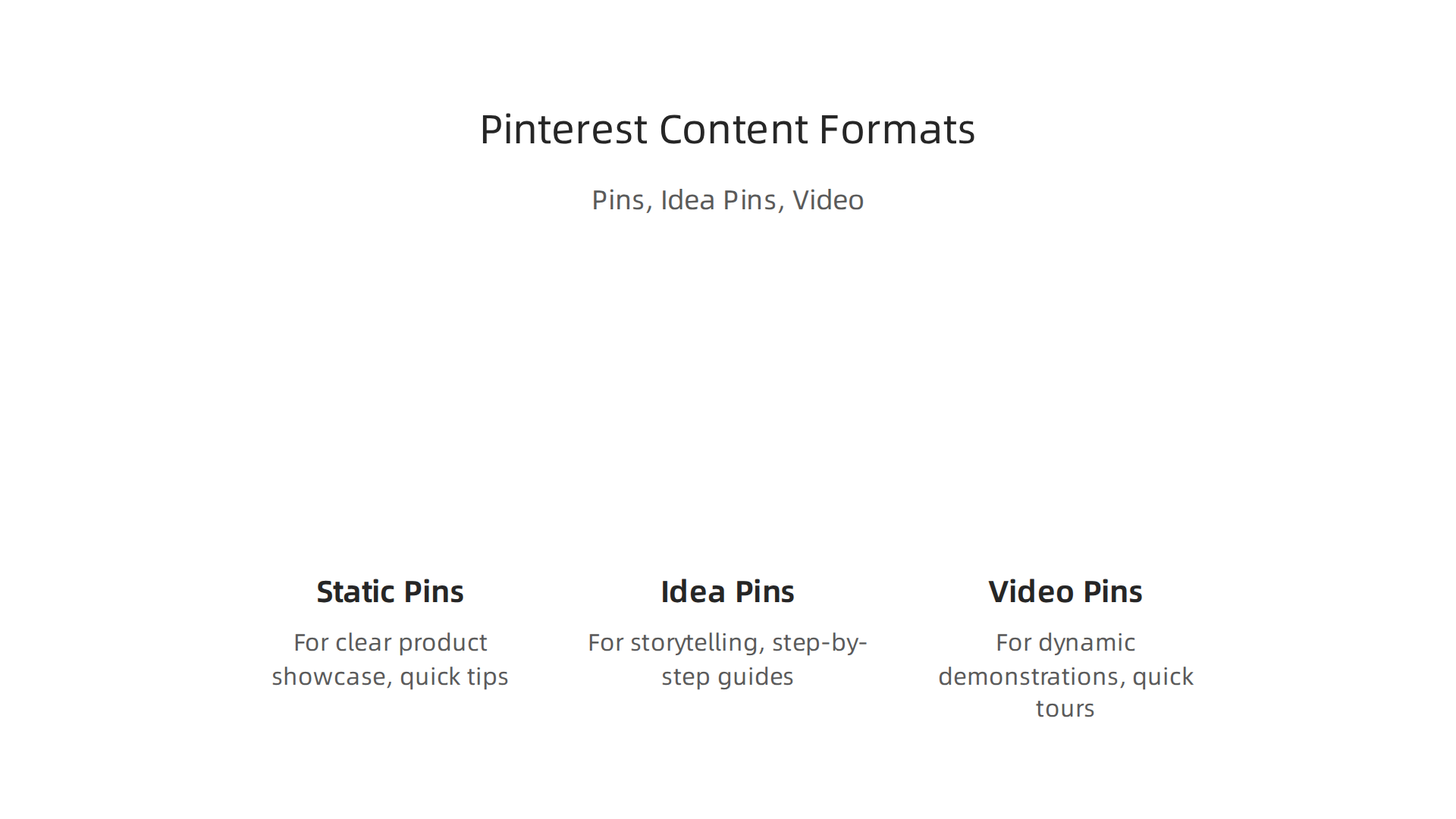
Static Pins: For Clear Product Showcase
Static Pins are like classic pictures. They are simple images with text overlays. These are great for showing off a product directly or giving quick tips. Think of them as your storefront window. When someone sees a static Pin, they often know right away what it’s about. This makes them perfect for the "discovery" stage, where people are just browsing for ideas.
You can link these Pins directly to the product page using your affiliate links. Just remember to always include your disclosure, like "#ad" or "#affiliate," clearly in the Pin description to follow Pinterest’s rules for affiliate marketing on Pinterest. They even allow direct Amazon affiliate links as long as you disclose them properly, as explained in the 2026 guide on Affiliate Marketing on Pinterest.
Idea Pins: For Storytelling and Engagement
Idea Pins are like mini-stories or short videos with multiple pages. They let you share more details, step-by-step guides, or quick tutorials. For example, if you’re promoting cooking tools, an Idea Pin could show a short recipe from start to finish. If you’re into fashion, you could show different ways to style an outfit.
These Pins are perfect for the "consideration" stage. They build trust because you’re giving value and showing how a product works before asking for a sale. You can add "product tags" to Idea Pins, which link directly to the products you’re promoting. This is a powerful way to guide people through their shopping journey. Also, for Idea Pins, it’s very important to show your affiliate disclosure visually on the Pin itself, especially on the first page or frame, to meet current guidelines for pinterest affiliate program success as highlighted in Pinterest Idea Pins Ad Compliance 2026.
Video Pins: For Dynamic Demonstrations
Video Pins are short videos that play automatically as people scroll. They’re great for showing products in action, giving quick tours, or sharing lively explanations. A video Pin can quickly grab someone’s attention and keep them engaged.
Like Idea Pins, video Pins excel at the "consideration" stage. They can answer questions people might have about a product and help them imagine using it. You can add a link to your video Pin’s description, making it easy for viewers to click through to your affiliate links. Many people find video useful for understanding a product before they buy. Learning Pinterest Affiliate Marketing 2026: Rules, Links & What Converts can help you understand more about what works.
By using a mix of these content types, you can reach people at different points in their shopping journey. This way, you can create a strong pinterest affiliate program that truly helps people while also earning you commissions. To learn even more about driving clicks, check out our guide on Pinterest affiliate marketing step by step strategies that drive clicks.
After learning about the best content types for Pinterest, the next important step for pinterest affiliate marketing is to choose the right products. Finding great products that people want to buy is key to making money with your affiliate links. It’s like finding treasure in a big store.
Finding High-Converting Products & Niche Research
To find these treasures, you need to look at what people are already interested in on Pinterest. This means understanding what they search for and what they save.

Many people come to Pinterest ready to shop. In fact, studies from 2026 show that a large number of users are on Pinterest with buying in mind, often starting their shopping research weeks before they buy something new. This makes Pinterest a powerful place for affiliate marketing on Pinterest.
What to Look For:
- Search Trends: Pinterest has tools to show you what’s popular. The Pinterest Trends tool and even the search bar’s auto-suggestions can tell you what people are actively looking for. For example, if you type in a general term like "home decor," Pinterest will suggest more specific ideas that are trending. These suggestions are gold because they show high interest topics where people are searching for ideas to buy. You can even watch videos that show how to Master the trends on Pinterest.
- High Engagement: Look for Pins that have a lot of "saves." When people save a Pin, it often means they are planning to buy that item later. This is a strong sign of what’s called "purchase intent" and can tell you what products are likely to convert. Some data from 2026 even highlights that search activities on Pinterest often lead to purchases, showing that users often save content and click through it when they plan to buy something in the future.
- Unbranded Searches: People on Pinterest often search for ideas like "living room ideas" instead of specific brands. This means you have a great chance to introduce new products through your
affiliate linkseven if they are not well-known brands.
Once you have an idea of what products are trending and what people are looking to buy, you can dive into competitor analysis. This means looking at what other successful pinterest affiliate program users are promoting. What kind of products are they linking to? How are they talking about them? This can give you fresh ideas for your own how to start affiliate marketing journey.
Remember, finding a good product is only part of the puzzle. You also need to pick affiliate programs that offer good commission rates and fit well with your chosen niche. It is important to choose the right affiliate marketing program for Pinterest in 2026 to make sure your efforts pay off.
You’ve picked your products and found the best affiliate programs for your niche. That’s a great start for your pinterest affiliate marketing journey! But how do you know if all your hard work is actually making money? This is where tracking, attribution, and analytics come in. It’s like having a special map that shows you exactly which of your Pins are leading people to buy things.
Knowing this information is super important. It helps you see what’s working well and what isn’t, so you can make smarter choices with your affiliate links and grow your earnings. Without good tracking, you might be guessing where your sales are coming from, and that can lead to wasted time and effort.
How to Track Your Pinterest Affiliate Campaigns
To truly understand how your pinterest affiliate program is doing, you need to track a few key things:
- Clicks: How many people are clicking on your Pins and visiting the product pages?
- Conversions: How many of those clicks turn into actual sales or sign-ups? This is often called a "conversion."
- Cross-Device Behavior: Sometimes people see a Pin on their phone but buy on their computer later. Good tracking helps you see these different paths.
Here are the main tools and ideas for smart tracking:
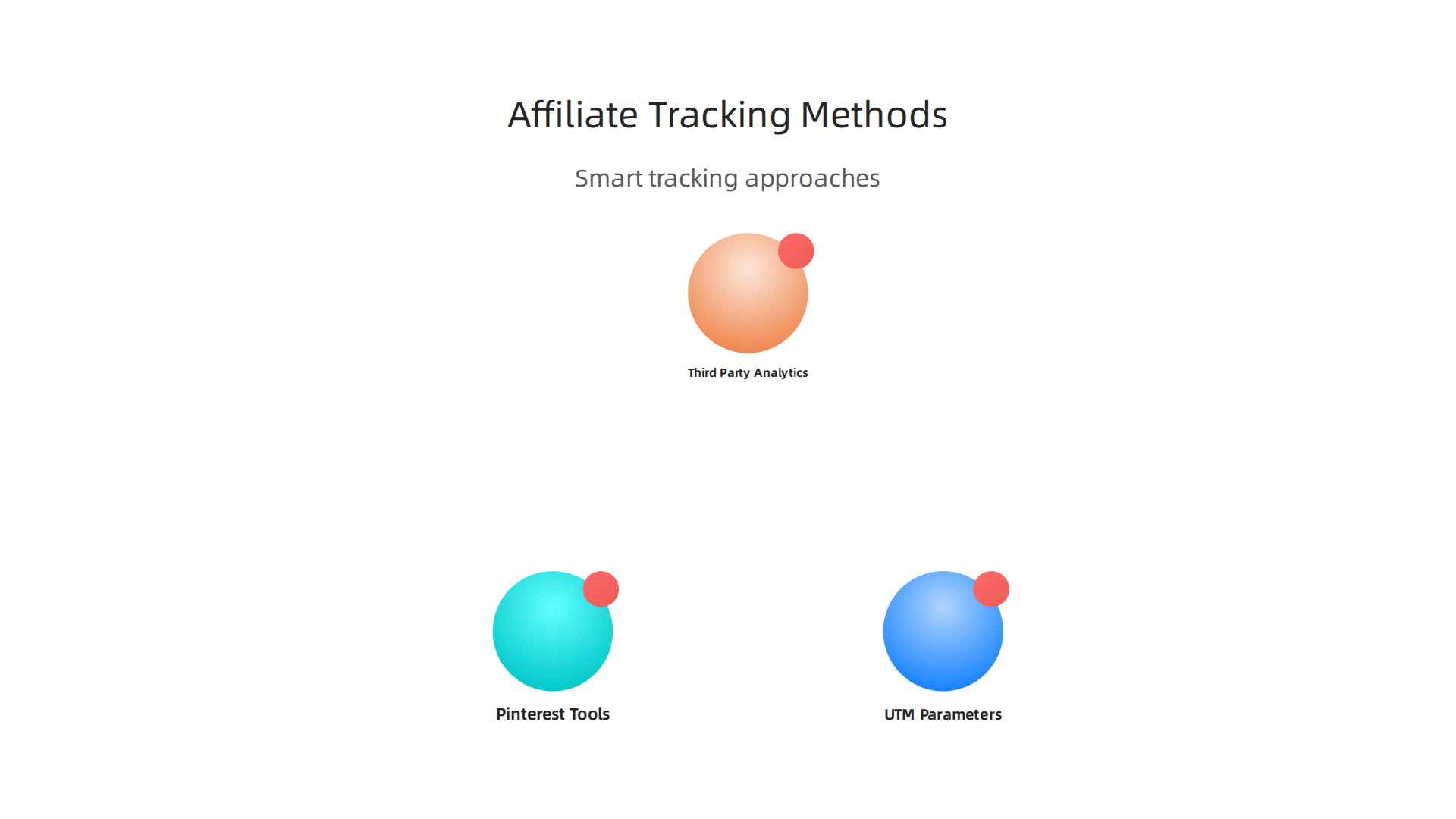
1. Use UTM Parameters
UTM parameters are small pieces of code you add to the end of your affiliate links. Think of them as special labels that tell you exactly where a click came from. For example, you can label a link to say it came from "Pinterest," from a specific "campaign," or even from a certain "Pin." This helps you see which of your Pinterest efforts are bringing in the most sales.
It’s a good idea to always include UTMs in your links, whether for regular Pins or paid ads. For instance, you could label your source as "pinterest" and the medium as "paid" for Promoted Pins. Creating a consistent naming system for your UTMs is important so you don’t get confused later on and can easily see where your clicks are coming from. Some experts suggest always including the ad ID in your UTM string for the best results, especially with Pinterest Ads. You can learn more about how to track your Pinterest marketing and what works best with these tools in this guide on tracking Pinterest Pin Clicks & E-commerce Conversions.
2. Pinterest’s Own Tools
Pinterest also has its own ways to help you track. They have something called the "Pinterest Tag" (which is a bit of code you put on your website) and the "Conversions API." These tools help Pinterest understand what happens after someone clicks on your Pin, like if they bought something. For example, if you use Shopify, you can set up Pinterest conversion tracking to match events like purchases using unique IDs for each order to make sure sales are counted correctly Pinterest Conversion Tracking for Shopify: Setup Guide.
Pinterest also uses a special link parameter called epik. This is Pinterest’s own way of tracking clicks and conversions, and it’s generally more accurate than just using manual UTMs by themselves. You should typically let Pinterest handle this epik parameter and avoid removing it from your links, as it helps with their tracking Pinterest epik Parameter Explained (Complete Technical Guide).
3. Third-Party Analytics and Combining Methods
For the best picture, it’s smart to use more than one tracking method. Combining UTM best practices with Pinterest’s own insights and other analytics tools can help you get a really clear view of your pinterest affiliate marketing performance. Using a mix of link tracking, pixels, and server-side tracking (which means data is sent directly from your website to Pinterest) can help you avoid missing any sales Affiliate Tracking Methods: Links, Coupons, Pixels, and …. This way, you reduce "attribution leakage," which means you don’t lose credit for sales that came from your Pins.
If you’re wondering how to start affiliate marketing with all these tracking options, don’t worry. The main idea is to set up a system where you can clearly see which Pins lead to clicks and, most importantly, sales. This helps you figure out which content styles, products, and keywords are making you the most money. It’s a key step to boosting your earnings. For a deeper dive into making sure your tracking is always spot on, take a look at our article on affiliate marketing link tracking that stops guessing and boosts earnings.
Once you know what’s working well with your pinterest affiliate program by using good tracking, the next big step is to make your efforts bigger and better. This is called scaling. Scaling means doing more of what brings you sales without losing quality or spending too much extra time. It helps your pinterest affiliate marketing grow steadily.
How to Scale Your Pinterest Affiliate Marketing
Scaling your pinterest affiliate marketing means working smarter, not just harder. Here’s how you can make your operations larger:
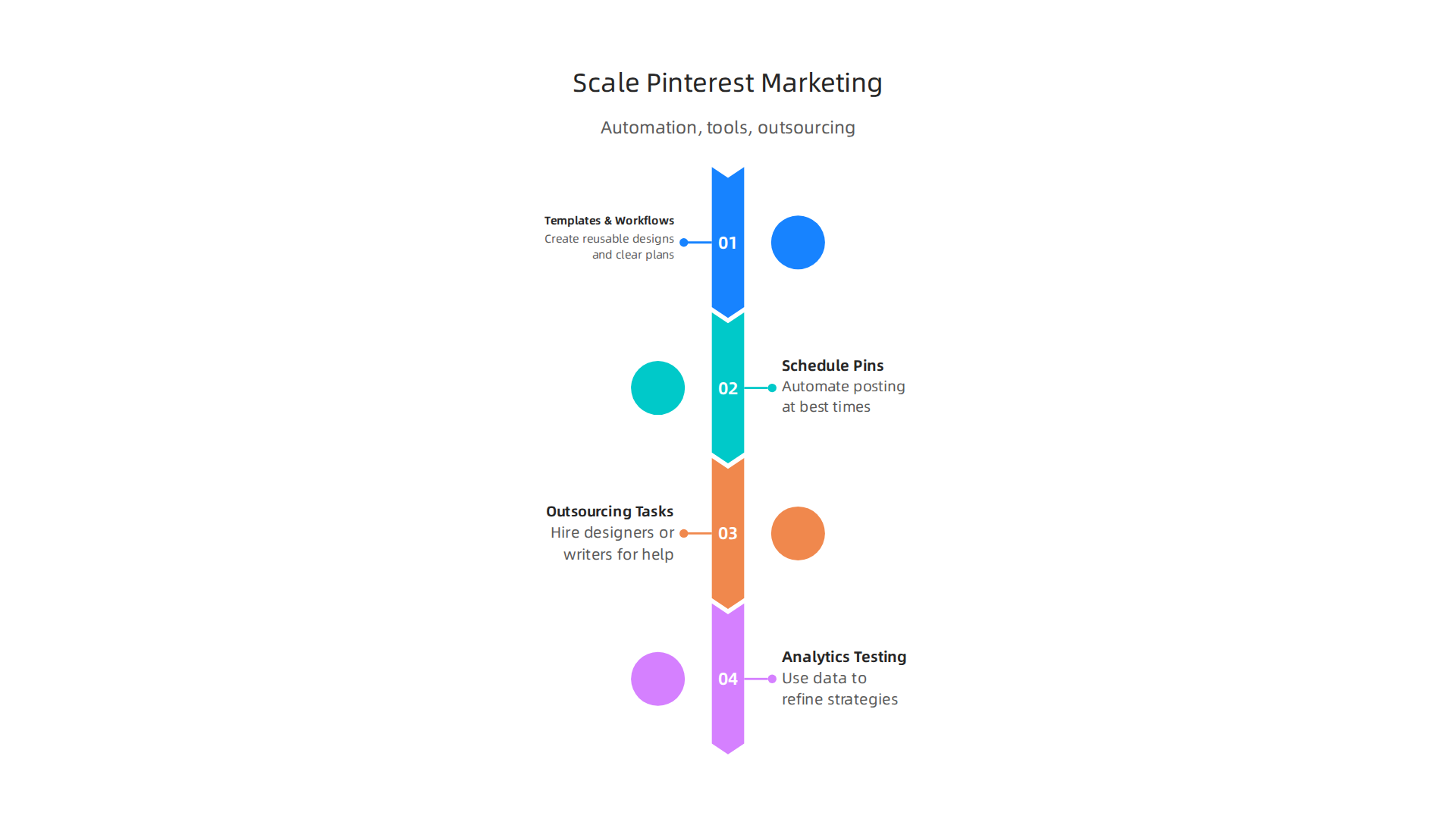

1. Use Templates and Workflows
Imagine you’re baking cookies. If you have a recipe (template) and a clear set of steps (workflow), it’s easy to make many batches. It’s the same for your Pins.
- Pin Templates: Create designs for your Pins that you can use over and over again. Just change the pictures, text, and
affiliate links. This saves a lot of time and keeps your brand looking the same. - Content Workflows: Have a clear plan for each Pin. For example, "First, find a product. Second, design the Pin using a template. Third, write a catchy description. Fourth, add tracking links. Fifth, schedule the Pin." This helps you and anyone working with you know exactly what to do.
2. Schedule Your Pins
You don’t have to be on Pinterest all day, every day. Tools let you plan and post your Pins automatically at the best times. This means your content goes out consistently, even when you’re busy or sleeping. Regular posting keeps your audience engaged and helps Pinterest show your Pins to more people.
3. Outsourcing Creative Tasks
When you’re ready to grow, you might find yourself spending too much time on tasks like designing Pins or writing descriptions. This is where outsourcing comes in. Outsourcing means hiring other people to help you with these jobs.
- Designers: You can hire someone to create eye-catching Pin images for you. This frees up your time for bigger-picture planning.
- Writers: Someone else can write engaging descriptions for your Pins or even blog posts that include your
affiliate links. - Learning New Skills: To really step up your game, you might want to learn new tech skills or get specialized training to better manage these processes. For example, a tech bootcamp like Le Wagon could teach you skills in software development or data analytics that help automate parts of your business.
4. Analytics-Driven Testing
Remember all that tracking you set up? Now use it! When you scale, you should always be testing new ideas. Try different Pin designs, headlines, or product types. With good analytics, you can quickly see what’s working and what’s not. This lets you repeat your wins and stop doing what doesn’t bring sales.
For example, if you’re running paid Pinterest ads, making sure your tracking correctly links sales back to your ads is key to scaling smartly. If your tracking isn’t right, you might spend money on ads that don’t seem to be working, even if they are. You can find helpful information on how to overcome these issues in guides like Fix Pinterest Ads Attribution Problems: A Full Guide.
By using templates, scheduling, and sometimes getting help from others, you can post more high-quality Pins and reach more people. This is how you take your pinterest affiliate marketing from a small side project to a big money-maker. To discover how to save even more time and boost your earnings, learn to automate affiliate marketing with proven strategies to save time and boost revenue. It’s all about making your efforts efficient so you can keep growing.
When you grow your pinterest affiliate marketing, it’s super important to play by the rules. This builds trust with your audience and keeps you from getting into trouble. Good pinterest affiliate program practices mean being clear about your affiliate links and following what Pinterest asks.
Clear Disclosures and Platform Rules
For your pinterest affiliate marketing to work well for a long time, you must be honest and follow the rules. Pinterest allows affiliate links but has clear guidelines you need to follow in 2026.
Here are the main things to remember:
- Be Clear About Affiliate Links: You must tell people when a Pin contains an affiliate link. This means adding
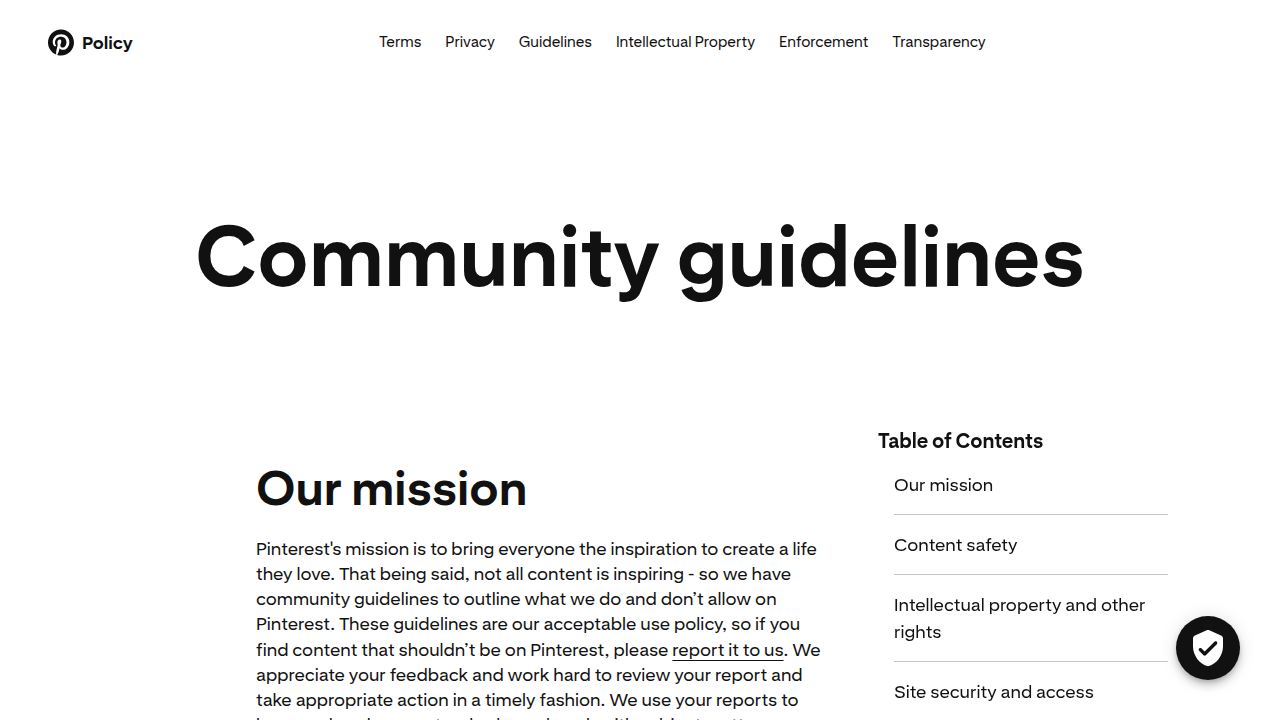
#ad,#affiliate, or#sponsoredright at the start of your Pin description. It should be easy for anyone to see that you might earn money from their clicks or purchases. Some guidelines even suggest that these tags should be clearly visible on the image or video itself for Idea Pins, not just hidden in the caption. For more details, you can look at the Pinterest Affiliate Links Policy 2026 (Official Rules) and the Pinterest Affiliate Idea Pins 2026: FTC Endorsement Rules. - Follow Pinterest’s Community Guidelines: Always make sure your Pins follow Pinterest’s general rules. This includes posting original content that adds real value, not just reposting other people’s stuff. Pinterest wants users to have a good experience, so avoid spammy tactics. You can find their general rules in the Community guidelines.
- Be Authentic: It’s best to have just one main Pinterest account that truly shows who you are or what your brand is about. This helps build a real connection with your followers.
When you are transparent about your affiliate links, you build trust. People are more likely to buy from you if they know you are being honest. This also helps you avoid any problems or penalties from Pinterest or other groups that watch out for fair advertising. If you want to know more about how to make sure your affiliate disclosures are clear and correct, check out this guide on how to write a compliant disclaimer for affiliate links.
Exploring Different Ways to Make Money
While pinterest affiliate marketing is a great way to earn money, you don’t have to stop there. Thinking about different ways to make money can help you earn more and make your business safer if one method changes. This is called diversifying your income.
- Selling Your Own Products: You could sell your own digital products like planners, templates, or e-books.
- Online Courses: If you have special knowledge, you could create and sell an online course.
- Lead Generation: This means getting people interested in a product or service and then passing their information to a business that pays you for it.
- Ad Revenue from a Blog: You can drive traffic from Pinterest to a blog or website where you have ads, earning money from views.
By combining affiliate links with other ways to make money, you create a stronger business. For example, you might have Pins that link to an affiliate product, and other Pins that lead to your own online course. This way, if one type of income slows down, you still have other ways to earn. Learning about your 2026 blueprint for successful affiliate marketing programs can give you more ideas on how to expand your monetization.
Best Practices for Long-Term Success
To truly succeed with pinterest affiliate marketing in 2026, keep these best practices in mind:
- Create Value: Always focus on making Pins that help or inspire people. Your content should be useful and engaging.
- Choose the Right Affiliate Programs: Pick
affiliate programsthat offer products you truly believe in and that fit what your audience is looking for. - Keep Learning: The world of online marketing changes fast. Stay updated on new Pinterest features and
affiliate marketingstrategies.
Summary
This guide explains why Pinterest is a powerful, evergreen channel for affiliate marketers and walks you through how to start and scale a profitable Pinterest affiliate program. It covers the platform’s shopping mindset, the long planning window users take before purchases, and how Pins can drive steady referral traffic for months or years. You’ll learn how to set up a business profile and keyword-optimized boards, which Pin formats work best (static, Idea, and video), and how to pick high-converting products using Pinterest trends and engagement signals. The article also shows practical tracking methods—UTMs, Pinterest Tag/epik, and combined analytics—to measure clicks and conversions, plus scaling tactics like templates, scheduling, and outsourcing. Finally, it explains compliance and disclosure best practices and suggests ways to diversify revenue so your affiliate efforts stay profitable long-term.