Reviews & Guides from Our Experts

How to Build an Affiliate Marketing Blog That Earns in 2026

Introduction: Why Affiliate Blogging Still Dominates in 2026
You might think affiliate marketing has lost its edge in 2026. But the numbers tell a different story. The global affiliate marketing market is now valued at over $20 billion, with projections to hit $82.6 billion by 2035
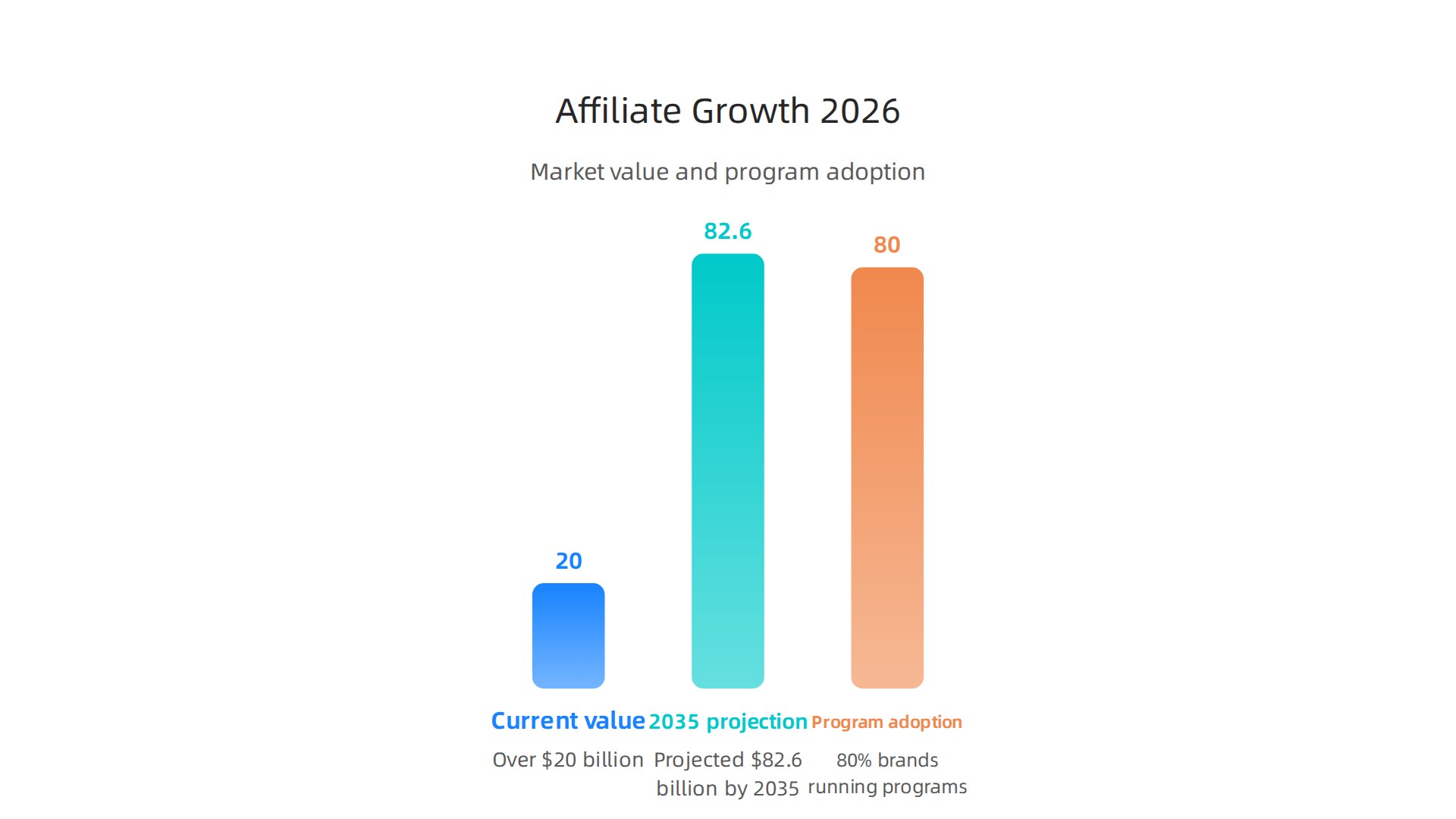
(Business Research Insights). Forrester reports global affiliate spend reaching $19.4 billion this year alone (Digital Applied). And over 80% of brands now run affiliate programs (FirstPromoter).
So what is driving this growth? Content-driven affiliate blogs. Unlike traditional ads that interrupt people, blogs build trust with honest reviews and detailed comparisons. Readers come to you looking for answers, and when you provide real value, they’re more likely to click your links and buy.

That is why starting an affiliate marketing blog remains one of the smartest ways to earn online in 2026. Whether you are new to the game or a seasoned merchant, this article will walk you through the complete playbook. We will cover strategy that actually works, how to build trust with your audience, which tools to pick, and the metrics that matter most.
If you have been wondering how to start affiliate marketing or scrolling through affiliate marketing Reddit for advice, you are in the right place. Let us break down what it takes to succeed in this booming space. And if you are still unsure whether this path is legit, read our honest take on is affiliate marketing worth it in 2026 before diving in.
Why an Affiliate Marketing Blog Is Your Most Underrated Asset
Here’s a truth you might not want to hear in 2026: most affiliate marketers are fighting for the same quick wins. They chase viral social media posts or dump cash into paid ads. But the real money often hides in a quieter, slower-building channel. Your blog.
Think about it. The global affiliate marketing industry is now worth over $20 billion, and it keeps climbing (PostAffiliatePro). Yet most of that growth comes from content that ranks in Google search results for months or years. That’s the beauty of an affiliate marketing blog. One well-written review or comparison can bring you consistent traffic without you touching a single ad budget. That is what people call long-tail SEO, and it is the gift that keeps on giving.
A blog does something else that social media never can. It builds genuine trust. When a reader lands on your page and finds a detailed, honest breakdown of a product, they start to see you as an expert. They are not being interrupted by a banner ad. They came to you on purpose. And that trust directly boosts your conversion rates. Over 80% of brands now run affiliate programs (FirstPromoter), and they are actively looking for publishers who create in-depth content rather than just slapping links everywhere.
Finally, your blog acts as a central hub. You can point to the same article from YouTube, Pinterest, or email. Merchants love this because it means consistent, high-quality exposure for their products. If you want to know which product categories earn the best long-term returns, check out our breakdown of top affiliate marketing niches for 2026 that deliver recurring income.
Building a blog does take effort. But the payoff is a digital asset that works for you 24/7. And if you want to make your blog look and feel more professional, learning a bit of UX/UI design can go a long way. Programs like Avocademy offer structured training to help you create a better user experience and stand out from the crowd.
Building Trust Through Authentic Content: The Core of Affiliate Blogging
Now that you know your blog can be a 24/7 money maker, the real question is: how do you make sure people actually trust what you write? In 2026, trust is everything. Google rewards it with higher rankings. Readers reward it with clicks and purchases. The secret sauce is something called E-E-A-T, which stands for Experience, Expertise, Authoritativeness, and Trustworthiness.
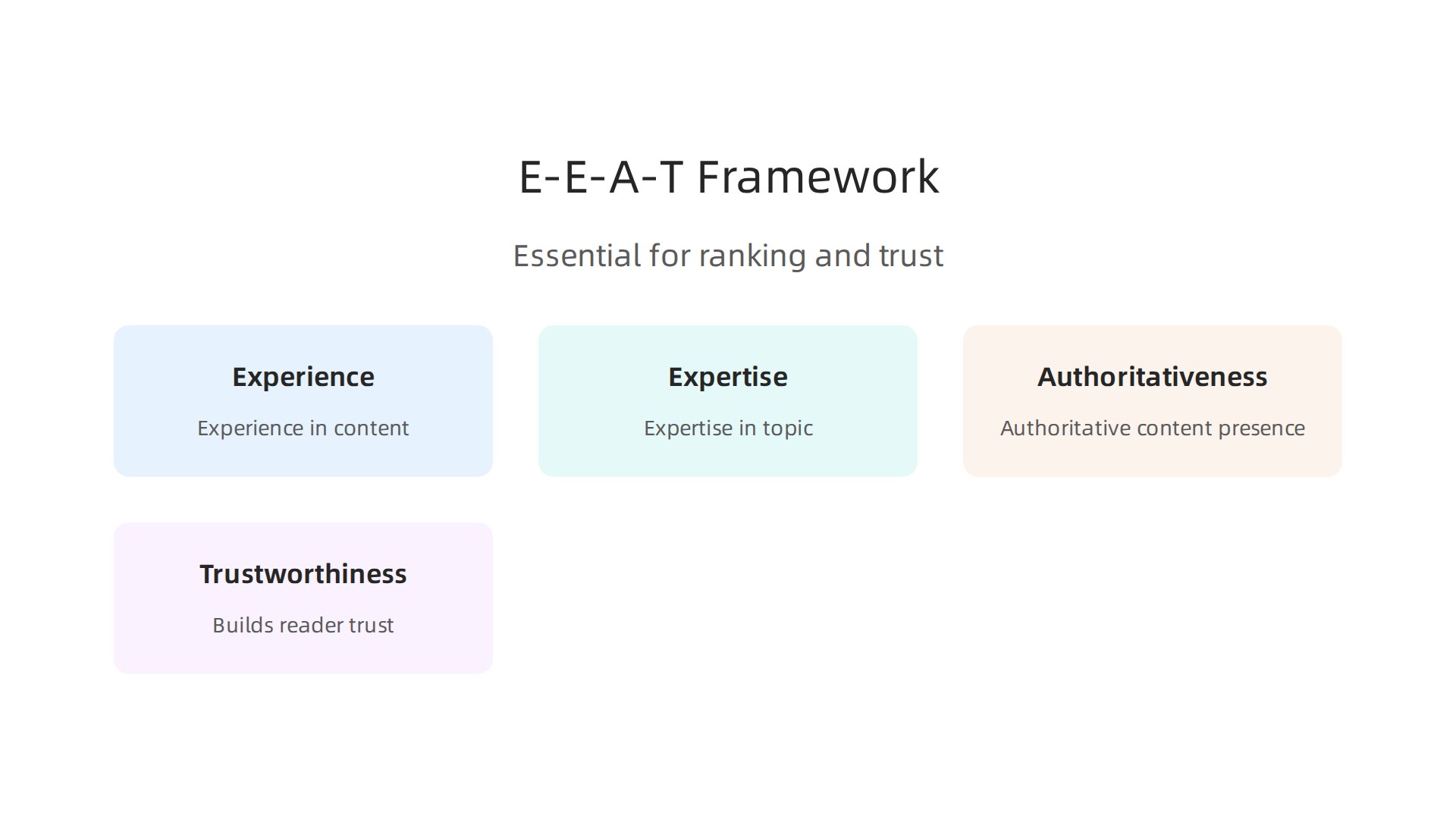
Google uses E-E-A-T to decide which content deserves to show up first. But it’s not just for the algorithm. Real humans sense it too. They can tell when you actually used a product versus when you just copied the sales page.

That is why transparent disclosures are so important. The FTC now has strict rules for affiliate marketers. In 2026, you need a clear disclosure on every page that contains affiliate links. Failing to do so can lead to penalties of up to $51,744 per violation (AuditSocials). Placing a simple line like "This post contains affiliate links" at the top of your article is not just legal protection. It actually builds trust because it shows you are honest.
Another piece of the trust puzzle is sharing personal experience and unbiased reviews. Do not be afraid to point out the flaws in a product. When you call out what you did not like, your recommendation for the good parts becomes ten times stronger. For example, if you review a pet product and mention that the sizing runs small, that small detail tells your audience you really tested it. They start to see you as a real person with real opinions, not just a link slapper.
Case studies and testimonials take that trust even higher. When you show a real example of how a product solved a problem for someone, it acts as social proof. You can share a screenshot of your own earnings (with permission) or a quote from a happy customer. That kind of proof makes new readers feel safer clicking your links.
Building trust through authentic content takes time, but it is the only way to build a sustainable affiliate marketing blog. If you want to dive deeper into why honesty matters so much in this space, our guide on is affiliate marketing legit breaks it down further.
To really level up your content quality, consider learning skills that make your blog look more professional. Programs like Careerist offer training in tech and career development that can help you create a polished, trustworthy online presence. The more you invest in your own expertise, the more your audience will trust you.
Legal and Ethical Considerations for Affiliate Bloggers
You might think affiliate marketing is just about writing reviews and getting clicks. But there are real legal rules you need to follow to stay safe. In 2026, the rules are stricter than ever.
First up are the FTC endorsement guidelines. You must tell your readers clearly and upfront that you earn money from your links. A small line at the top or bottom of your post is not enough. The FTC says the disclosure needs to be easy to find and understand. If you hide it or use tiny text, you could face a penalty of up to $51,744 per violation (AuditSocials). That single mistake could wipe out months of earnings.
Next, think about data privacy laws like GDPR (for EU readers) and CCPA (for California readers). If your affiliate marketing blog collects email addresses or uses cookies to track clicks, you need a privacy policy that explains exactly what data you collect and how you use it. Many affiliate links use cookies to track referrals. You must get consent from visitors in these regions before placing those cookies. The official FTC guidance on endorsements and reviews covers this in more detail.
Finally, avoid deceptive practices at all costs. Do not write fake reviews. Do not claim you used a product if you did not. Do not hide your affiliate relationships. These actions destroy trust and violate FTC rules. Even if you think no one will notice, regulators are watching.
Staying legal does not just protect you from fines. It builds credibility with your audience. For more on setting up your blog the right way, check out our guide on how to succeed with affiliate marketing at Amazon for a look at how major programs enforce these standards.
If you want to present a professional, trustworthy blog, consider improving your technical skills. Programs like Le Wagon offer training in web development and data analytics that can help you build a clean, compliant site from the ground up.
Essential Tools and Platforms for Managing Your Affiliate Marketing Blog
Choosing the right tools for your affiliate marketing blog can feel overwhelming. There are so many options out there. But the truth is, the right tools save you hours of work and help you earn more money. Let me break down what you actually need in 2026.
Affiliate Management Platforms
You cannot manage everything manually. Not if you want to grow. Platforms like Impact and PartnerStack do the heavy lifting for you. They handle partner recruitment, track clicks, and show you real-time earnings. A good management platform makes affiliate marketing for beginners much less scary. If you are just learning how to start affiliate marketing, look for a platform that offers clear reporting and easy onboarding. There are many affiliate management software tools available in 2026 that can help you scale your program without losing your mind.
Content Creation Tools
Your blog needs fresh content to keep readers coming back. But writing every post from scratch takes forever. AI writing tools can help you draft reviews, comparisons, and product roundups in half the time. Video editors also matter. A simple product demo video can boost your conversion rate by a lot.

When you save time on content creation, you have more time to focus on strategy and promotion. This is a common tip you will see on affiliate marketing reddit threads. The people who succeed are the ones who automate the boring stuff.
Analytics and Tracking Tools
You cannot improve what you do not measure. Google Analytics is free and gives you tons of data about your traffic. But for affiliate marketing specifically, you need a dedicated tracking platform. Tools like Everflow and Voluum show you exactly which posts are earning and which links are getting clicks. You can see what your audience actually wants. This data helps you write better content and promote the right products. If you want a full comparison of the top options, check out this list of affiliate tracking platforms to find one that fits your budget.
Putting It All Together
Here is a simple way to think about it. Use a management platform to handle your partners. Use content tools to write and edit faster. Use analytics to see what is working.
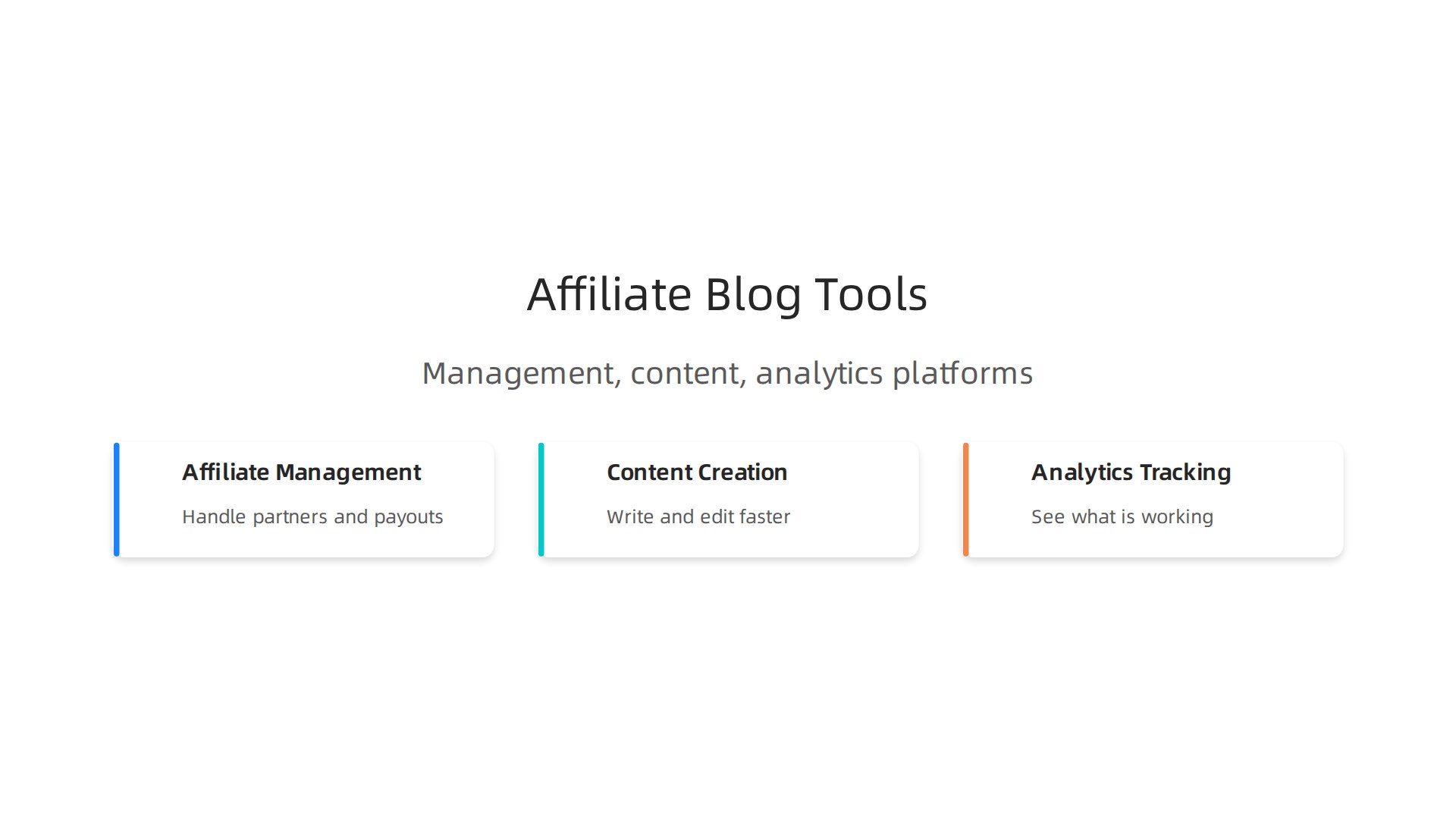
Once you have these three pieces in place, your affiliate marketing blog will practically run itself. Even better, you can set up automated workflows so new posts go live and get promoted without you touching a thing. For more on that, check out our guide on how to automate affiliate marketing to save even more time.
If you want to build a professional blog that looks clean and works well, consider learning some basic design or development skills. Programs like Avocademy offer UX/UI training that can help you create a user-friendly site your readers will trust.
Merchant Perspective: How to Attract and Retain High-Quality Affiliates
You have a great product and you want people to promote it. But finding good affiliates is not just about posting a “join our program” link. In 2026, the best affiliates have many choices, so you need to stand out. Here is how to attract top performers and keep them happy.
Offer Competitive Commissions and Materials
Affiliates compare programs before joining. If your commission rate is low or your promotional materials are weak, they will move on. Look at what others in your niche pay and set a rate that is fair. But money alone is not enough. You also need ready-to-use banners, product images, sample posts, and comparison charts. When you make it easy for affiliates to create content, they are more likely to promote you. Using a solid affiliate management software can help you organize these materials and track what works.
Build Real Relationships
High-quality affiliates want to feel valued. Send personalized emails. Ask them what they need. Create incentive tiers so top performers earn higher commissions or bonuses. When an affiliate knows you care about their success, they will go the extra mile. This is a lesson you often see discussed on affiliate marketing reddit threads. Merchants who treat affiliates like partners, not just link suppliers, get the best results.
Keep Your Brand Safe and Consistent
You want affiliates to promote you, but not in a way that hurts your brand. Provide clear guidelines about what they can and cannot say. Use an approval process for major content pieces if needed. Good affiliates actually appreciate this because it protects their reputation too. If you are just learning how to start affiliate marketing as a merchant, start with a small group of trusted partners and expand slowly.
If you want to give your affiliates a competitive edge, consider offering them training resources. For example, a program like Le Wagon teaches web development skills that help affiliates build better promotional sites. That means more traffic and sales for you.
For more tips on building strong merchant-affiliate relationships, check out our guide on how affiliates and merchants succeed on the CJ affiliate network.
Creating High-Converting Content: Reviews, Comparisons, and Tutorials
Let’s be honest. Nobody clicks on an affiliate link just because a post says "this product is great." In 2026, readers are smarter than that. They want proof. They want real experiences. And they want content that actually helps them decide.
The best affiliate marketing blog posts do three things well: they review products honestly, compare options clearly, and teach readers something useful. Here is how to pull that off.
In-Depth Product Reviews with Personal Experience
Generic reviews do not convert. You need to actually use the product and share what happened. Did it solve your problem? What was annoying about it? Be specific.
For example, if you are reviewing a pet product, talk about how your own dog reacted. Share photos. Include a real story. When readers feel your honesty, they trust your recommendation. That trust leads to clicks and sales. According to industry benchmarks, top affiliates can achieve conversion rates above 3% when their content includes personal experience and detailed information Partnero.
Comparison Tables Help Readers Decide
Sometimes people know what kind of product they want, but they are stuck between two or three options. That is where side-by-side comparisons shine.
Create a simple table showing price, features, pros, and cons. Let the reader see the differences at a glance. This type of content works especially well for affiliate marketing for beginners because it reduces decision fatigue. When you make the choice easy, people click your link and buy.
A well-made comparison post can drive serious traffic and conversions. Just make sure your data is accurate and your table is easy to read on mobile devices.
Tutorials and How-Tos Build Authority
When you teach someone something valuable, they come back for more. Tutorials attract organic traffic from search engines and keep people on your site longer. Google notices that. So does your audience.
Write step-by-step guides. Show someone how to start affiliate marketing in their specific niche. Teach them a skill that helps them solve a problem. The more useful your content is, the more likely readers will click your affiliate links later. According to HubSpot data from 2026, blog posts remain one of the top five content formats for ROI HubSpot. That means investing time in tutorials pays off.
If you want to go deeper on building content that sells, check out our complete guide on how to build an affiliate marketing side hustle in 2026. It covers everything from choosing a niche to creating your first high-converting post.
And if you are looking to expand your skills and create better tutorials for your audience, programs like Avocademy offer structured training in UX/UI design. That knowledge helps you build more engaging and user-friendly content that converts better.
Measuring Success: Key Metrics for Affiliate Marketing Blogs
You can write the best reviews and tutorials in the world. But if you don’t track what happens after you hit publish, you are flying blind. The numbers tell you what is working and what needs to change.
The most important KPIs for your affiliate marketing blog revolve around clicks and commissions. Start with click-through rate (CTR). This shows how many people actually click your affiliate links out of everyone who reads your post. Then look at conversion rate. That is the percentage of clickers who end up buying. Average conversion rates across industries land between 1% and 3%, but top affiliates can push much higher Partnero.
Next, keep an eye on average order value (AOV) and earnings per click (EPC). AOV tells you how much people spend per transaction. EPC shows you the average commission earned for every click you send. Together, these four metrics give you a clear picture of your revenue health.
Attribution models also matter. Do you use first-click attribution, last-click, or multi-touch? First-click gives credit to the post that first brought the reader in. Last-click credits the final touchpoint before purchase. Multi-touch spreads credit across the whole journey. The model you choose changes how you evaluate which content performs best ReferralCandy. In 2026, more affiliates are switching to multi-touch because it reflects the real path buyers take.
Regular analysis is the secret to growth. Every month, look at your top-performing posts and your underperformers. Ask yourself: What made the winners win? Was it the headline, the comparison table, or the personal story? Then apply those lessons to posts that are not converting. You can automate parts of this process to save time, so check out this guide on how to automate affiliate marketing with proven strategies.
If you want to improve your conversion rates even more, focus on the user experience of your blog pages. Better design leads to more trust and more clicks. Programs like Avocademy can teach you UX/UI design skills to make your content not only helpful but also easy to navigate.
Track the data, learn from it, and keep tweaking. That is how you turn a good affiliate blog into a profitable one.
Future Trends in Affiliate Marketing Blogging
You have your metrics dialed in and your blog is running smoothly. But the game keeps changing. In 2026, new trends are reshaping how you run your affiliate marketing blog. Stay ahead of these shifts to keep growing your income.
AI is a partner, not a replacement
AI tools are now a normal part of content creation. According to Affiverse, AI has become a strategic partner in affiliate programs Affiverse. But here is the thing: readers can tell when content feels robotic. You need human oversight to keep your voice authentic. Use AI to brainstorm ideas, draft outlines, or find keywords. Then rewrite everything in your own words. If you want to learn more about using AI the right way, check out our AI affiliate marketing guide.
Video and interactive content drive engagement
Static blog posts are not enough anymore. Audiences want video reviews, short clips, and interactive tools like quizzes and calculators. In fact, 85% of marketers say videos with AI elements perform better Wistia. Short-form video is especially powerful in 2026 Visla. You can also add interactive content to your posts. Quizzes help visitors find the right product faster. If you want to create better interactive experiences, learning design skills helps. Programs like Avocademy teach you UX/UI design to make your content more engaging.
Voice search and mobile-first are non-negotiable
More people search using voice commands every day. Voice search demands new content thinking

EasyAffiliate. And Google now uses mobile-first indexing. Your affiliate marketing blog must load fast on phones and answer natural language questions. Write in a conversational tone and include FAQ sections. For a complete strategy on adapting to these changes, read our blueprint for successful affiliate marketing programs. By embracing these trends, you future-proof your blog and keep your audience coming back.
Conclusion: Your Action Plan for Affiliate Blogging Success
Building a profitable affiliate marketing blog takes time, but the path is clear.
Start with trust. Your readers need honest, helpful recommendations. Focus on content quality over quantity. In 2026, authenticity is championed as the top trend EasyAffiliate for good reason. Readers spot fake reviews fast and they will not return to a site that feels dishonest.
Pick a specific niche and stick with it. A focused blog grows faster than one that covers everything. Then set a realistic publishing schedule. Posting once a week beats posting nothing for a month. If you still wonder whether this whole thing is worth your time, read our honest breakdown of whether affiliate marketing is worth it in 2026.
Commit for the long haul. Ethical marketers who play the long game see the best results. Track your metrics, adjust what is not working, and keep learning. Good blog design also builds trust with your audience. If you want to improve your site’s look and feel, programs like Avocademy teach UX/UI skills that make your content more engaging and professional.
The opportunity is real. Your affiliate marketing blog can generate sustainable income. But only if you show up consistently and put your readers first. Start today. Pick one niche. Write one post. Build from there.
Summary
This article is a complete playbook for running an affiliate marketing blog in 2026, explaining why blogs still outperform quick-win channels and how content builds long-term, trust-driven income. It covers how to choose a niche, create authentic reviews and comparison posts, and follow FTC and data-privacy rules so your site stays legal and credible. You’ll learn which tools to use—affiliate management platforms, content and analytics tools—and how to measure performance with CTR, conversion rate, EPC and AOV. The guide also explains how merchants can recruit and retain top affiliates, and it outlines future trends like AI-assisted writing, video content, and voice search. Practical tips include disclosure wording, using case studies for social proof, automating workflows, and a realistic publishing schedule. After reading, you’ll have a clear step-by-step plan to launch or improve a blog that attracts steady organic traffic and higher-converting affiliate sales.