
Reviews & Guides from Our Experts

How to Start Affiliate Marketing in 2026 for Beginners

Start Here: Why Affiliate Marketing Still Works in 2026
Have you ever wondered how some people make money online by simply talking about products they like? That’s the magic of affiliate marketing. It’s a way for you to earn money by telling others about great products or services. When someone buys something because of your recommendation, you get a small thank you payment, called a commission. It’s like being a helpful friend who gets paid for good advice.
So, what is affiliate marketing exactly? Think of it as a partnership. A company that sells things (like shoes, courses, or software) teams up with people like you, who have an online audience. You share special links to their products. If your audience clicks that link and buys, the company pays you. This is a common affiliate marketing example that helps both sides. The company gets more sales, and you get paid for helping them out.
You might be thinking, "Does this still work in 2026 with so many things online?" The answer is a big yes! Affiliate marketing is a huge business.

In fact, the global affiliate market is worth a lot of money, with estimates showing it grew to over $27.8 billion in 2024 and is still growing strong in 2026. Experts believe it will keep growing, possibly reaching $48.6 billion by 2033, showing an increase of 8.3% each year Affiliate Market Size and Growth 2026-2033. This means it’s still a very good way for content creators and businesses to make money.
But for many, starting out can feel like a maze. You might ask, "How to start affiliate marketing?" or worry about finding good products or making people trust your advice. These are common worries for anyone new to affiliate marketing for beginners. That’s why we’re here to help. This guide will give you clear steps, useful tools, and proven ways to build trust so you can start your own successful affiliate journey in 2026.
To really understand how to start affiliate marketing and make it work for you, it helps to learn some important words. Think of these as the building blocks for your journey.
Key Terms for Affiliate Marketing Beginners
Here are the main players and ideas you’ll meet in the world of affiliate marketing:
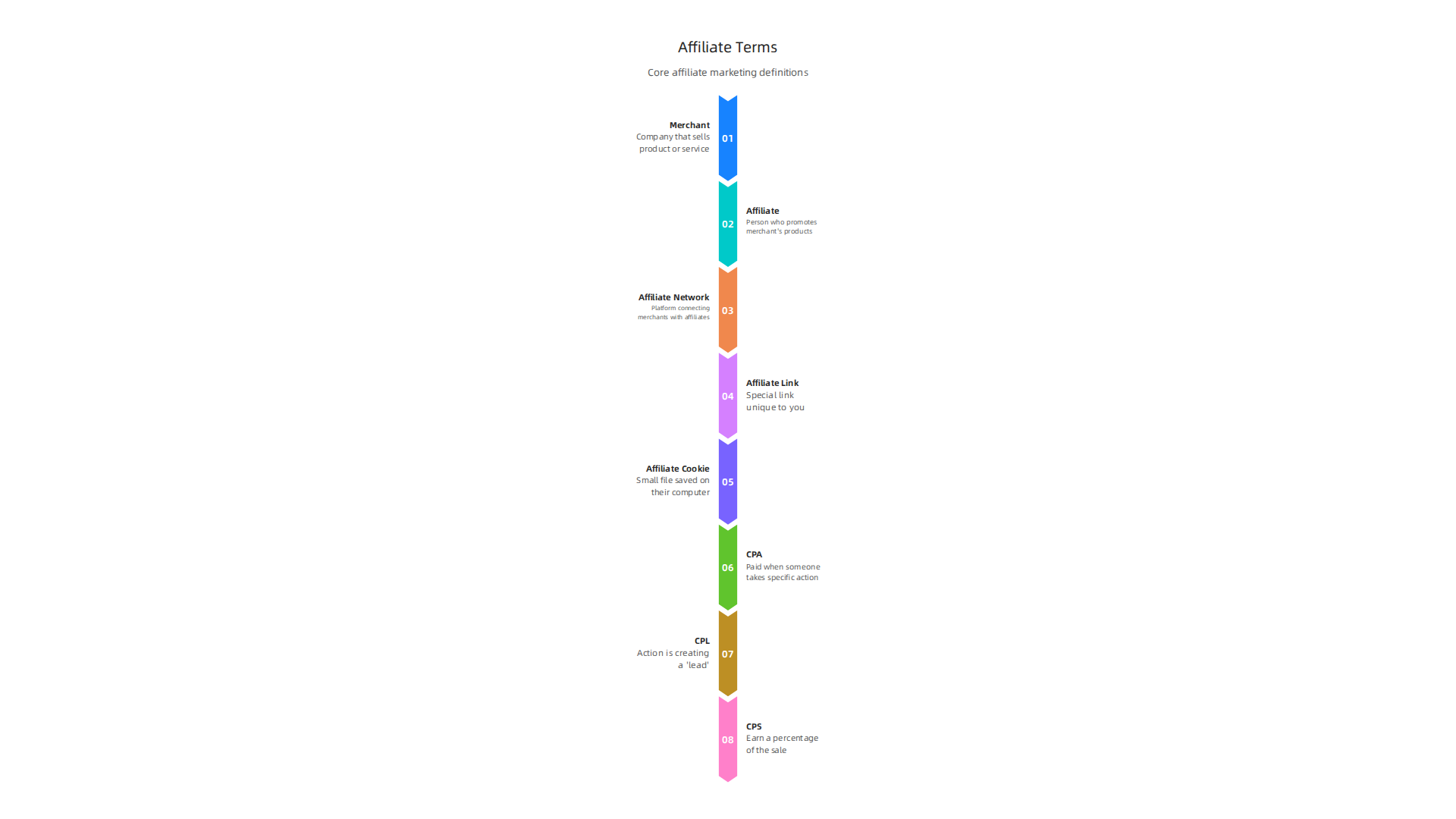
- Merchant (or Advertiser): This is the company or person that makes and sells the product or service. They are the ones who want more sales. For example, if you promote a shoe brand, the shoe brand is the merchant.
- Affiliate (or Publisher): This is you! You’re the person who promotes the merchant’s products. You share links and tell people about things you like, hoping they’ll buy.
- Affiliate Network: This is like a helpful middleman. It’s a platform that connects merchants with affiliates. It helps merchants find people to promote their products and helps affiliates find products to promote. It also handles tracking and payments. Think of it as a big online marketplace for these partnerships.
- Affiliate Link: This is the special link you get from the merchant or network. It’s unique to you. When someone clicks your link, it tells the merchant that you sent them. This is how you get credit for sales.
- Affiliate Cookie/Window: When someone clicks your special link, a small file called a "cookie" is saved on their computer. This cookie tells the merchant’s website that you referred that person. The "window" is how long the cookie lasts. For example, a 30-day cookie means if someone buys within 30 days of clicking your link, you still get credit, even if they didn’t buy right away. It’s good practice for affiliates to make sure their links are properly tagged, for example, with
rel="sponsored"attributes to follow SEO for Affiliate Marketing 2026: 10 Proven Strategies rules.
How You Get Paid: Commission Models
Understanding how money is made is a big part of what is affiliate marketing. There are different ways affiliates earn commissions:
- CPA (Cost Per Action): You get paid when someone takes a specific action, not just a sale. This could be signing up for a newsletter, filling out a form, or downloading an app.
- CPL (Cost Per Lead): This is a type of CPA where the action is creating a "lead" for the merchant. A lead is someone interested in the product, like giving their email for more information.
- CPS (Cost Per Sale): This is the most common way. You earn a percentage of the sale price when someone buys something through your link.
- EPC (Earnings Per Click): This term helps affiliates understand how much they typically earn for every click they send to a merchant’s offer. It’s an average amount earned for each click on your affiliate links, showing you which offers might be more profitable.
All these payment types rely on good affiliate marketing link tracking to ensure you get credit for every action or sale you drive. Knowing these terms makes it easier to jump into affiliate marketing for beginners and start finding success.
Now that you know the basics of what is affiliate marketing and how you get paid, the very first big step to success is picking the right topic to focus on. This topic is called your "niche." Choosing a good niche helps you become known for something specific, making it easier for people to find you and trust your advice. It’s especially important for those just learning how to start affiliate marketing.
Choosing a Niche
Think of a niche as a small, focused part of a bigger market. For example, instead of just "fitness," a niche could be "fitness for busy moms" or "home workouts for seniors." A good niche balances what you know or care about with what people actually want to buy.
Here’s how to pick one:
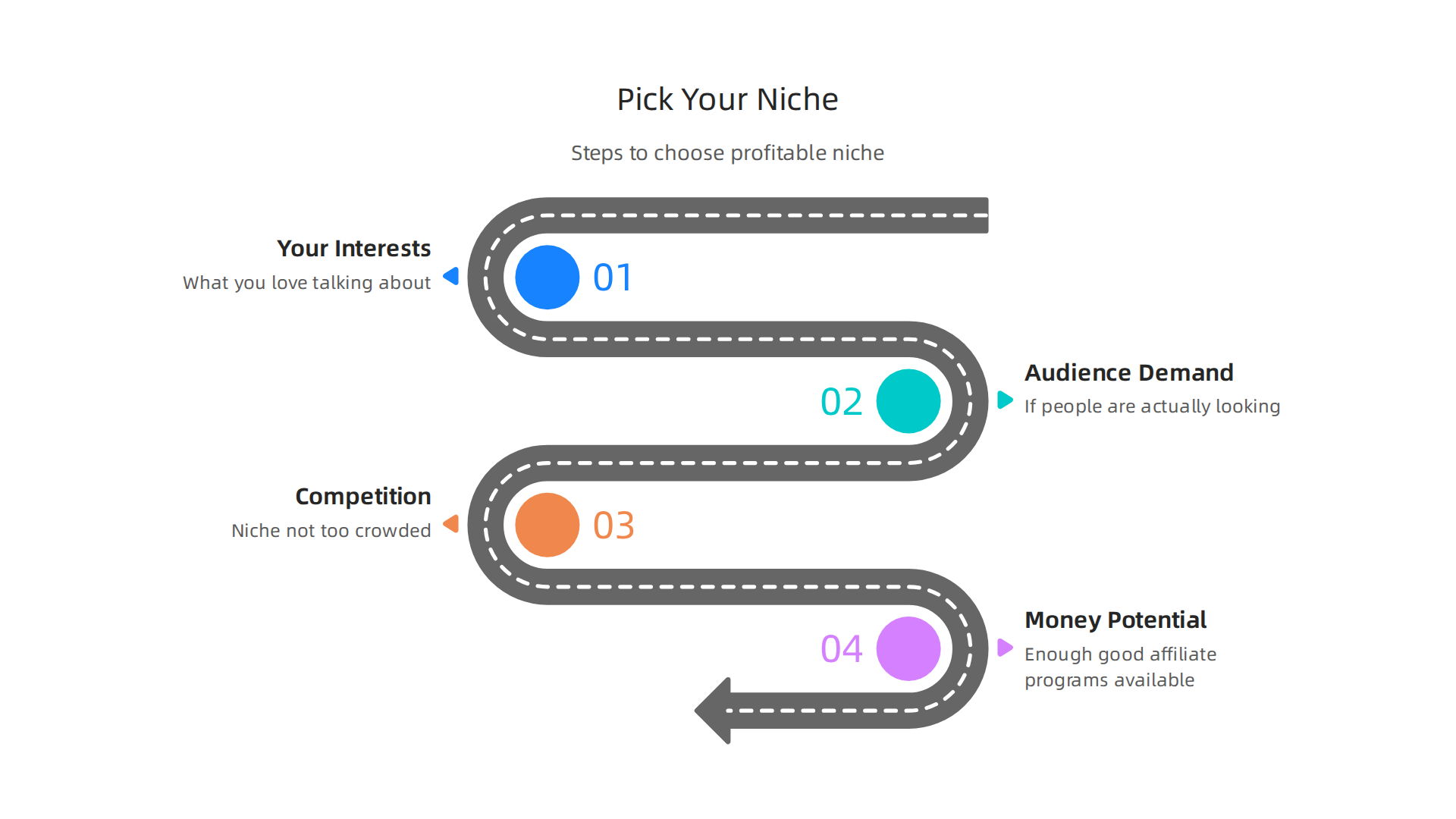
- Start with your interests and knowledge: What do you love talking about? What are you good at? What do you already read or watch often? Starting with something you genuinely care about makes it much easier to keep creating content for a long time, which is key for success in affiliate marketing for beginners. Experts suggest picking a niche you can happily create content about for at least two years 1.
- Check for audience demand: Just because you like something doesn’t mean others want to buy products related to it. You need to see if people are actually looking for information and products in that area. Tools like Google Trends can show you if interest in a topic is growing or staying steady 2. You want to find niches where people have a clear "buyer intent," meaning they are ready to spend money 3.
- Look at the competition: You don’t want a niche that’s too crowded, especially when you’re just starting. Try to find areas where you can still stand out. A good affiliate niche should also allow you to create lots of different content ideas without repeating yourself 4.
- Think about money-making potential: Does your chosen niche have products or services that can be promoted? Are there enough good affiliate programs available with decent commissions? A strong niche should offer clear ways to earn money 5.
Many sources agree that the best niches combine your passions with market demand and profitability 6. For more guidance, you can explore some of the top affiliate marketing niches for 2026 that deliver recurring income.
Selecting Profitable Products
Once you have a niche, the next step in how to start affiliate marketing is to pick the right products to promote. This is where you find the actual items or services that your audience will love and buy.
- Relevance is key: Only promote products that truly fit your niche and will help your audience. If your niche is about healthy cooking, don’t promote car parts.
- Quality matters: Always choose products that are good quality. Your reputation is important. If you promote bad products, people won’t trust you anymore.
- Good commissions and cookie duration: Look for products that offer a fair commission rate. Also, remember the "affiliate cookie" we talked about earlier? Check how long it lasts. Longer cookie durations mean you have more time to get credit for a sale.
- Merchant reliability: Pick merchants or companies that are well-known and trusted. This makes it easier for people to buy and reduces problems later. Platforms like AffiliateHub Pro can help you discover valuable products and services through in-depth reviews and expert recommendations, making it easier to select truly profitable products.
- Check for demand: Just like with your niche, make sure there’s a real desire for the products you want to promote. Are people searching for reviews or comparisons of these products?
By carefully picking your niche and the products within it, you’re setting yourself up for long-term success in the world of affiliate marketing.
After picking your niche and the right products, the most important next step for anyone learning how to start affiliate marketing is building trust with your audience. This means being honest and open about what you do. People are much more likely to buy from someone they trust, not from someone who just tries to sell them everything. Think of it this way: your long-term success in affiliate marketing truly depends on how much your audience believes in you.
Building Trust: Content, Transparency, and Disclosure Best Practices
To build that strong trust, you need to be transparent.

This means letting your audience know when you are using affiliate links. It’s not about hiding anything; it’s about being clear. Many experts agree that you should place a clear affiliate disclosure at the very top of any content that has affiliate links, rather than burying it at the bottom of the page [1]. This simple statement tells your readers that you might earn a small commission if they buy something through your link, at no extra cost to them. For more help on this, you can learn how to write a compliant disclaimer for affiliate links.
Creating Honest and Helpful Reviews
Beyond just disclosing links, the core of building trust lies in your content. Instead of making thin sales pitches, focus on creating content that truly helps your audience. This means writing honest and detailed reviews of products. Good reviews aren’t just about what’s great; they also talk about potential downsides or who the product might not be for. You should share your own experience, answer common questions clearly, and even use comparison tables to help readers understand different options [2].
When you create content, always remember that quality matters. People look for real opinions, not just a copy-pasted description from the store. Showing that you’ve actually used or deeply researched the product builds credibility. For example, if you’re reviewing a tool, maybe share screenshots of how you use it or talk about a specific problem it solved for you. This kind of detail acts as "social proof" and makes your advice more believable.
If you’re creating detailed guides and reviews, having a solid understanding of how people use websites can make your content even better. Learning about user experience (UX) and user interface (UI) design can help you present your content in a clearer, more helpful way. Consider looking into online training programs, like those offered by Avocademy, a UX/UI online training program, to sharpen your content presentation skills.
Properly Placing and Tagging Affiliate Links
When you include affiliate links in your content, make sure they are placed naturally where they add value, not just shoved in randomly. For example, you might place a link when you mention a product’s name or right before a "buy now" type of button. It’s also important to use descriptive words for your links, telling people what they’ll find if they click, rather than just saying "click here" or "buy now" [3]. Also, a key best practice for affiliate marketing for beginners in 2026 is to tag all your affiliate links with rel="sponsored". This helps search engines understand that these are sponsored links, which is important for good SEO and remaining compliant [3].
By focusing on honest content, clear transparency, and good link practices, you’ll gain the trust of your audience. This trust is what turns casual visitors into loyal followers and, in time, into customers who are happy to buy through your recommendations. If you’re serious about creating a long-lasting online presence, learning how to build an affiliate marketing website that focuses on consistent, high-quality content is a must. You can find a complete guide on building an affiliate marketing website.
Beyond simply being honest, the type of content you create makes a huge difference in how well it converts. When you’re learning about how to start affiliate marketing, remember that some content formats naturally build more trust and help people decide to buy. These high-converting content types are your best friends for affiliate marketing for beginners.
In-Depth Reviews
Detailed reviews are golden. They show that you really know the product or service. Instead of just listing features, a good review shares your actual experience.
Here’s what to include:
- Personal Experience: Talk about how you used the product. What did you like? What was tricky?
- Pros and Cons: Be fair. No product is perfect. Mentioning both good and bad points makes your review more believable.
- Who it’s for (and not for): Help your audience know if the product is right for them. For example, "This is great for beginners, but not for experts."
- Real-world examples: Show pictures or videos of the product in action.
This kind of honest detail helps your readers trust your opinion, which is key to turning them into buyers.
Comparison Tables
People often need to choose between similar products. Comparison tables make this easy. You can list several products side-by-side and show their features, prices, and benefits.
A simple table could look like this:
| Feature | Product A | Product B | Product C |
|---|---|---|---|
| Price | Affordable | Mid-range | Premium |
| Best For | Beginners | Everyday Use | Professionals |
| Key Benefit | Easy setup | Good value | Advanced features |
| Our Rating | 4/5 | 4.5/5 | 4/5 |
This clear layout helps readers quickly see the differences and make an informed choice.
Hands-On Tutorials
Tutorials are guides that show your audience how to use a product step-by-step.

They’re perfect for demonstrating value. If you’re promoting software, a tutorial could show how to set it up. For a physical product, it might be how to assemble or use it.
Tutorials are powerful because they:
- Solve problems: They directly address how a product helps someone.
- Build confidence: Readers feel they can use the product themselves.
- Show, don’t just tell: This makes your recommendations more impactful.
If you want to build a content hub for your what is affiliate marketing efforts, a strong blog focusing on such valuable content can really help. You can learn more about how to build an affiliate marketing blog that earns in 2026.
Case Studies
Case studies are like extended success stories. They show how someone used a product and got great results. While harder to create, they are super convincing. You’d share a problem, how the product was used, and the positive outcome. This is a powerful form of affiliate marketing examples in action.
To help you create these high-converting content types, platforms like AffiliateHub Pro are designed to simplify content creation. It helps affiliates develop in-depth reviews, comprehensive comparisons, and expert recommendations, making it easier to connect users with valuable products and services. If you’re a content creator looking to drive performance and earnings, understanding how to make your content effective is crucial for growing your audience and revenue. Find out more about how affiliate influencers drive performance earnings.
After you’ve created great content, the next big step is making sure you can see how well it works. This is where essential tools like tracking links, analytics, and affiliate platforms come in. For affiliate marketing for beginners, understanding these tools is key to knowing what’s working and what’s not.
Tracking Your Links: No More Guessing
Imagine sending out many links but not knowing which ones actually lead to sales. That’s why tracking is so important. It helps you see exactly where your clicks and money come from.
Here are the main types of tracking and link tools beginners need:
- Link Shorteners: These tools take a long, messy affiliate link and make it short and clean. For example, a link like
yourwebsite.com/go/product-x-long-codelooks much better than a super long one. Some shorteners also offer basic tracking features. - UTM Tracking: This is a bit more advanced but super helpful. UTMs (Urchin Tracking Modules) are small pieces of code you add to your links. They tell you specific details like:
- Where the click came from (e.g., your blog, a social media post).
- What type of content led to the click (e.g., a review, a comparison).
- Which campaign was successful.
This lets you see which of youraffiliate marketing examplesare doing the best.
- Dashboards: Most good affiliate programs or tracking platforms give you a dashboard. This is like a control center where you can see all your numbers in one easy-to-read place. You can check clicks, sales, and how much money you’ve earned.
Many tools exist to help with this. In 2026, comparing top affiliate tracking platforms shows options like Trackdesk, Voluum, and PartnerStack are popular for their features and accuracy, helping affiliates manage their programs efficiently.

You can see a comparison of these platforms and more to find the right fit for your needs in guides like Top 7 Affiliate Tracking Platforms Compared in 2026 or Best Affiliate Tracking Software in 2026: 7 Tools Compared.
Choosing and Setting Up an Affiliate Platform
When you’re learning how to start affiliate marketing, choosing the right platform or network is a big decision. These platforms connect you with companies that offer affiliate programs.
Here’s a basic checklist for picking and setting one up:
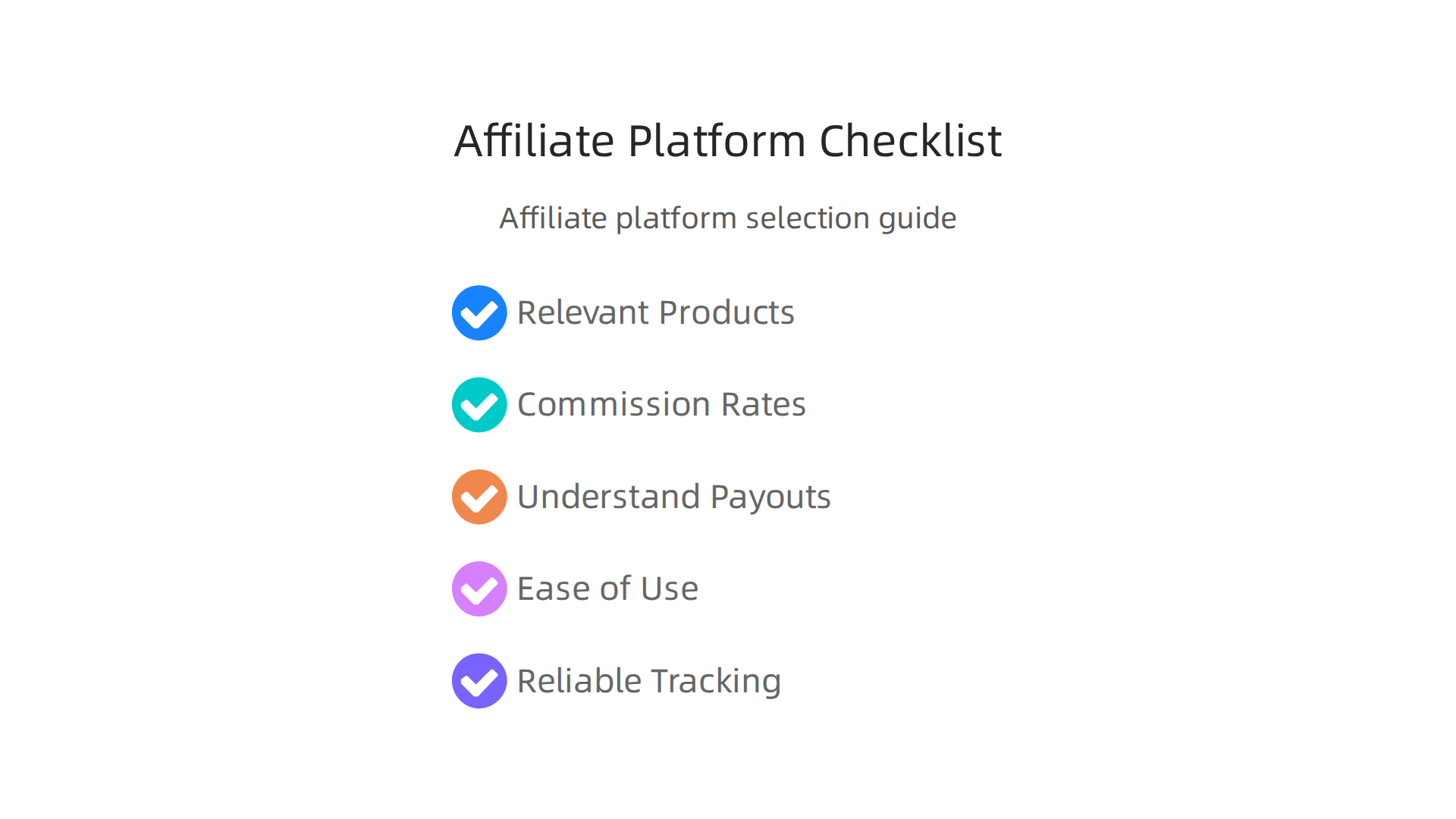
- Look for Relevant Products: Does the platform have products that fit your audience? If you talk about pet supplies, a platform full of car parts won’t help much.
- Check Commission Rates: How much will you earn for each sale? Make sure the rates are fair and worth your effort.
- Understand Payouts: How often do they pay? What’s the minimum amount you need to earn before they pay you?
- Ease of Use: As a beginner, you want a platform that is easy to understand and use. Good reporting and clear links are a must.
- Reliable Tracking: This goes back to our first point. The platform must accurately track your sales so you get credit for every customer you send their way.
Once you pick a platform, setting it up usually means signing up, getting approved for programs, and then grabbing your special affiliate links. The platform will then handle the tracking and tell you how well your links are performing. This accurate attribution means you always know your earnings. To dive deeper into selecting the right tools, you might find valuable information on choosing the best affiliate program software to maximize your 2026 success.
After you have a good handle on tracking your links and choosing the right affiliate platform, the next step for affiliate marketing for beginners is to think about how to grow. This means finding more ways to get your message out there. It’s like having a small garden that’s doing well; now you want to make it bigger and produce even more.
The trick is to do this without losing the trust you’ve built with your audience. People buy from those they trust, so keeping that trust is super important, no matter how big you get.
Email Marketing: Building Your Own List
One of the best ways to scale your efforts is by building an email list. Think of it as owning your own direct line to your audience. Unlike social media, where changes can happen anytime, your email list is yours.
Here’s how it helps with how to start affiliate marketing:
- Direct Connection: You can send emails directly to people who have said they want to hear from you. This makes them more likely to listen to your recommendations.
- Content Upgrades: Offer something special and free in exchange for an email address. This could be a helpful guide, a checklist, or a mini-course. This is a great way to show value and collect emails at the same time.
- Regular Value: Send helpful emails that are not always about selling. Share tips, insights, and then naturally bring in your
affiliate marketing exampleswhen they fit. This keeps your audience engaged and trusting.
Paid Ads: Getting More Eyes on Your Offers
When your organic content (like blog posts or social media) is bringing in some sales, you might think about paid ads. This is like putting a small amount of money into advertising to get a bigger return. But be careful:
- Start Small: Don’t spend a lot of money at first. Test with small amounts to see what works.
- Watch Your Money: Always keep a close eye on your ROI (Return on Investment). This means making sure you earn more from the ads than you spend. Your tracking tools from the last section are super important here. You can learn more about how to build profitable campaigns with Affiliate Marketing PPC in 2026.
- Be Clear: When using paid ads for affiliate products, always be honest. Make sure people know they are seeing an ad. Keeping things clear helps maintain trust.
Using paid ads effectively is a key strategy for enhancing performance and revenue in 2026, as discussed in various Affiliate Marketing Tips for 2026: Strategies to Enhance Performance and Revenue.
Partnerships: Working with Others
Another great way to scale is by working with other people or businesses.

This could mean:
- Guest Posting: Writing an article for someone else’s website, or having them write for yours. This lets you share audiences.
- Collaborations: Doing joint projects, like a webinar or a video series, with another creator. This introduces you to their followers.
- Influencer Marketing: Partnering with someone who has a big following. They can share your affiliate links with their audience. This is a powerful way to grow, especially if you find partners who genuinely believe in the products you promote. You can explore how creators and brands drive earnings with Affiliate Influencer: How Creators and Brands Drive Performance Earnings.
No matter how you choose to scale, remember that trust is your most valuable asset. Always create genuinely helpful content, be open with your audience, and focus on providing real value. These are the Affiliate Marketing Best Practices for Higher Conversions that will help you grow your what is affiliate marketing business for the long term.
To really push your affiliate marketing business forward, you might need to sharpen your skills. Learning about new tools, strategies, or even different aspects of the tech world can give you a big boost. Consider programs like Careerist — Tech Job Training & Career Coaching to help you gain new abilities and knowledge that can directly help you scale your business and boost your earnings in 2026.
While affiliates work hard to grow their reach and sales, merchants have their own important role. They set up the programs that affiliates join. Think of it like this: if an affiliate is a gardener growing plants, the merchant is the one who provides the seeds, good soil, and sunlight. For any business thinking about how to start affiliate marketing from their side, understanding the merchant’s viewpoint is key. This channel is big, with the global affiliate market projected to exceed $20 billion in 2026, showing why more brands are getting involved in what is what is affiliate marketing for their growth strategy.
Recruiting Good Affiliates
A merchant’s first step is to find the right people to promote their products. It’s not just about getting many affiliates, but getting good ones.
- Look for Match: Merchants should look for affiliates whose audience is a good fit for their products. If you sell pet toys, you want affiliates who talk about pets. This means checking their content quality and if their followers truly align with your ideal customer.
- Clear Expectations: When setting up a program, merchants need to make it clear who the program is for and what kind of content they expect. They might even ask affiliates to have a website or a certain type of audience before joining, as suggested by guides on building successful programs in 2026.
You can learn more about how both sides benefit in the Affiliate marketing programs the 2026 playbook for publishers and merchants.
Structuring Fair Commissions
The next big thing for merchants is to decide how much to pay affiliates. This is called the commission structure.
It needs to be fair for both sides.
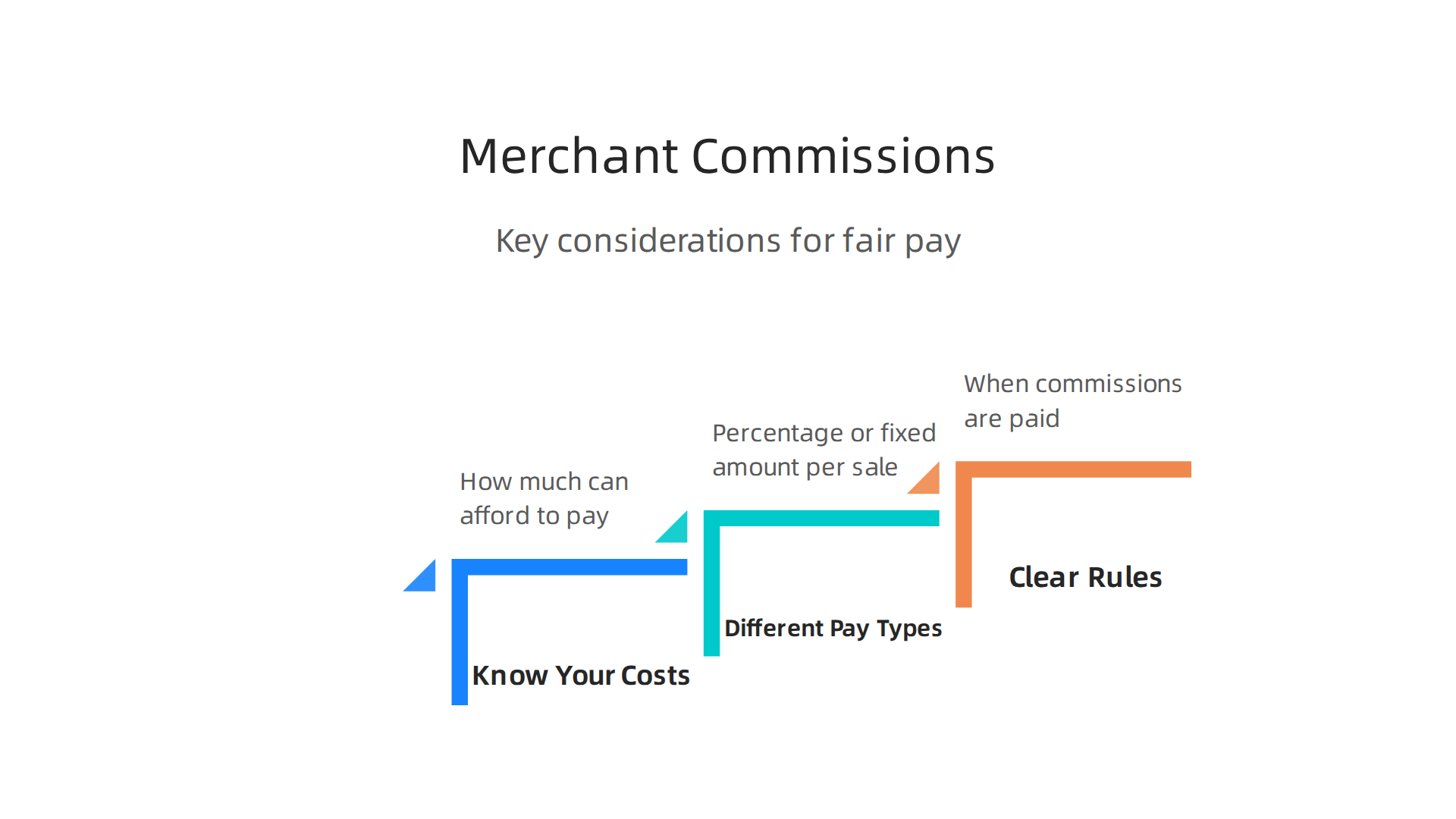
- Know Your Costs: Merchants should figure out how much they can afford to pay while still making a profit. This means looking at their product margins and average order value. Many e-commerce brands offer 10% to 25% of a sale, with higher rates for products that have bigger profit margins, according to guides on Affiliate Marketing for Ecommerce: Strategy, Recruitment, & Tools.
- Different Pay Types: There are different ways to pay commissions. Some pay a percentage of the sale (revenue share), while others pay a fixed amount per sale (CPA). Some even pay more for new customers to encourage affiliates to bring fresh buyers.
- Clear Rules: It’s super important to have clear rules about when commissions are paid. This includes how long a "cookie" lasts (how long after a click the sale still counts for the affiliate) and when affiliates can expect to get their money. Good programs clearly state what triggers a commission and what doesn’t.
Tracking and Managing Programs
Once affiliates are onboard and commissions are set, merchants need good ways to keep track of everything and make sure rules are followed.
- Tracking Tools: Merchants use special software to track clicks, sales, and commissions. This helps them see which affiliates are doing well and how their program is performing. Using both promo codes and tracking links together is a smart way to watch sales and traffic, as explained in ecommerce guides.
- Incentives and Support: Beyond commissions, merchants can offer bonuses or special deals to top-performing affiliates. They should also provide helpful marketing materials like images, banners, and product details. Providing these tools helps even
affiliate marketing for beginnerssucceed. - Compliance and Honesty: Just like affiliates need to be honest, merchants also need to ensure their programs follow all laws and rules. They should check how affiliates are talking about their brand to make sure it’s accurate and positive. Manual approval of affiliates and setting clear terms helps maintain quality and trust, which is a key practice for successful programs in 2026. You can find more details on how to run a great program in the How to Run a Successful Affiliate Program: 2026 Guide.
- Communication: Keeping open lines of communication with affiliates helps solve problems and build stronger relationships. This way, merchants and affiliates can work together to achieve their goals.
Summary
This article is a practical guide to affiliate marketing in 2026, explaining what it is, why it remains a growing revenue channel, and how beginners and merchants can succeed. It defines key terms like merchant, affiliate, cookies, and common commission models so you understand how payouts and tracking work. You’ll learn a step‑by‑step approach to pick a niche, choose high‑quality products, and create trustworthy content—detailed reviews, comparison tables, tutorials and case studies—that converts. The guide also covers technical essentials: tagging links correctly, using UTMs and tracking dashboards, and picking the right affiliate platforms. Finally, it shows how to scale safely with email lists, paid ads, and partnerships while keeping transparency, and explains the merchant side: recruiting affiliates, fair commissions, and program management. After reading, you’ll have a clear roadmap to start, measure, and grow an affiliate business without sacrificing audience trust.