Reviews & Guides from Our Experts

What an Affiliate Company Is and How to Profit from It in 2026

Introduction
Did you know the affiliate marketing industry is now worth over $20 billion? In 2026, global affiliate spend reached an estimated $19.4 billion, up from $17.1 billion in 2025 source: Digital Applied. And this number keeps climbing fast with experts projecting it will hit $71.74 billion by 2034 source: autofaceless.ai.
But what does this mean for you?
Here is the thing. An affiliate company is the engine behind performance marketing. It connects merchants who have products to sell with affiliates who want to earn commissions by promoting those products. Think of it as a matchmaker that handles tracking, payouts, and program management.
Some of the biggest affiliate companies run massive affiliate networks and affiliate marketing platforms like Amazon Associates, ShareASale, and CJ Affiliate.
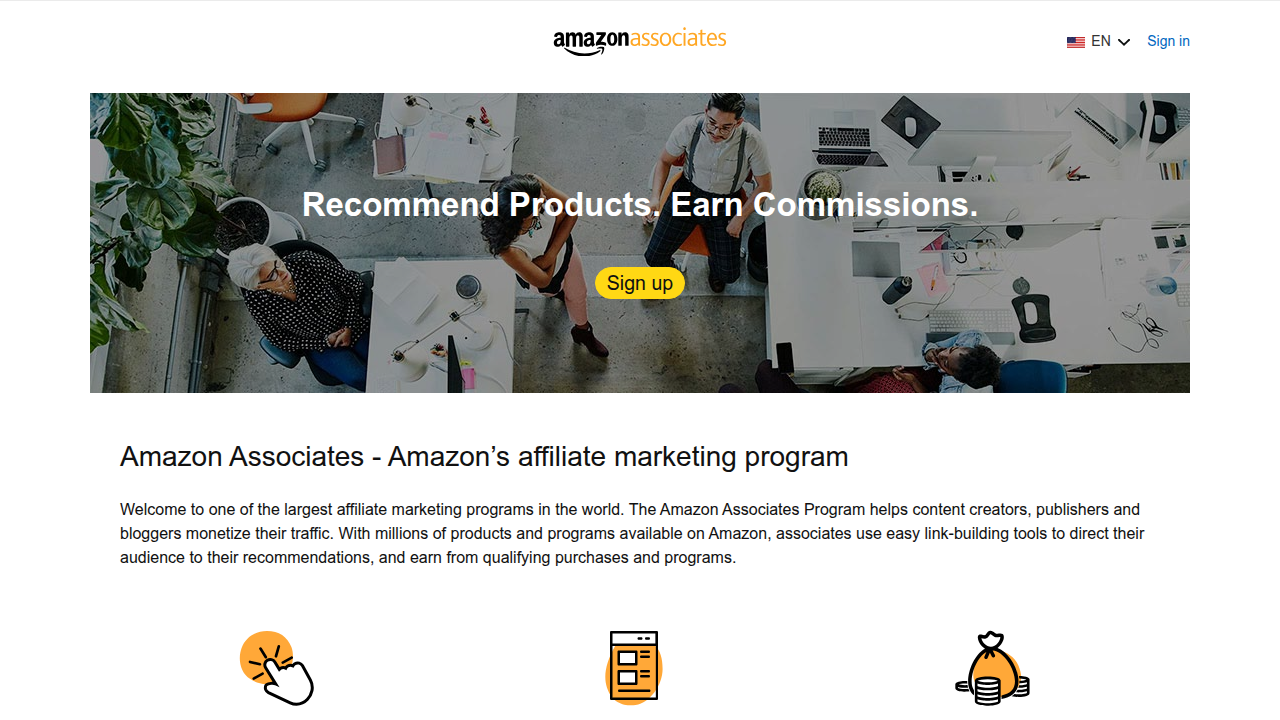
These platforms make it easy for both sides to find each other and start earning.
Why should you care? Well, if you are a merchant, partnering with an affiliate company gives you access to thousands of promoters who only get paid when they make a sale. That is a low-risk way to grow your revenue. If you are an affiliate, joining structured affiliate marketing programs through these companies lets you promote proven products without creating anything yourself.
This guide breaks down everything you need to know. You will learn how affiliate companies operate, the real benefits for merchants and affiliates, and practical steps to build a profitable strategy in 2026.
If you are new to this space, start with our complete guide on affiliate marketing meaning, how it works, and real examples for 2026 to build your foundation.
Let us dive in.
What Exactly Is an Affiliate Company? Definition and Core Model
So now that you know the industry is massive, let us get crystal clear on what an affiliate company actually is.
An affiliate company acts as the middleman in performance marketing. It connects businesses that want to sell products (merchants) with people who want to earn money by promoting those products (affiliates). The affiliate company handles tracking, payouts, reporting, and program management. Without these companies, managing thousands of individual affiliate relationships would be a nightmare.
In 2026, the global affiliate marketing market is valued at over $20 billion, and experts project it will reach $71.74 billion by 2034, growing at 15.2% CAGR source: Business Research Insights. That growth is powered by affiliate companies that make the whole system run smoothly.
The Four Key Players
Every affiliate company model involves four roles:
-
The Merchant (Advertiser) – This is the business that sells a product or service. They want more sales without paying for ads upfront. They join an affiliate company to recruit promoters.
-
The Affiliate (Publisher) – This is you, or any content creator, blogger, influencer, or website owner. You promote the merchant’s products using unique links. When someone buys through your link, you earn a commission.
-
The Affiliate Network (Platform) – This is the affiliate company itself. It provides the affiliate marketing platform where merchants list their programs and affiliates find them. The network tracks clicks, sales, and commissions. Examples include ShareASale, CJ Affiliate, and Amazon Associates.
-
The Consumer – The person who clicks your link and buys the product. Without them, nobody gets paid.
This is different from traditional advertising. With a TV ad or a Google search ad, the merchant pays upfront and hopes for results. With an affiliate marketing program, the merchant only pays when a sale happens. That is lower risk and higher accountability.
Other digital channels like influencer marketing often involve flat fees. But affiliate marketing remains performance based. You only earn when you deliver a result. That makes it fair for both sides.
If you are new and want to see how these models work in practice, check out our complete guide on how to start affiliate marketing in 2026 and build a profitable business. It walks you through choosing the right affiliate company and getting your first commission.
How Affiliate Companies Operate: Tracking, Attribution, and Commissions
You might wonder how an affiliate company knows which affiliate to pay after a sale. The answer is a mix of tracking technology, attribution rules, and commission structures. Let us break each one down.
How Tracking Works
Tracking is the invisible engine behind every affiliate marketing program. Without it, no one gets credit. The three main tracking methods are:
- Cookies – A small file stored in the consumer’s browser after they click your link. It remembers you sent them. In 2026, cookie windows are shrinking fast. A recent study shows 38% of affiliate programs now use cookies that last 7 days or less source: Digital Applied.

-
Pixels – A tiny 1×1 image loaded on the merchant’s checkout page. When a customer completes a purchase, the pixel fires and sends a signal back to the affiliate network. This confirms the conversion happened.
-
Postback URLs – A server-to-server tracking method. The merchant’s system sends a notification directly to the affiliate platform the moment a sale is recorded. This is more reliable than cookies because it does not depend on browser settings source: InfluenceFlow.
Tracking is the foundation. But it only matters if the right person gets credit. That is where attribution comes in.
The Three Attribution Models
Attribution rules decide which affiliate gets paid when a customer clicks multiple links before buying. Here are the three main models in 2026 source: Track360:
-
Last-click attribution – The last affiliate who referred the customer before the purchase gets 100% of the commission. This is the most common model, but it can feel unfair if you introduced the product early in the buyer’s journey.
-
First-click attribution – The first affiliate who introduced the product gets all the credit. This rewards top-of-funnel content creators like bloggers and reviewers.
-
Multi-touch attribution – The commission is split among multiple affiliates based on their role in the sale. For example, a reviewer gets 40% and a coupon site gets 60%. This model is growing because it feels more fair source: Cometly.
Commission Models Explained
The commission structure is how you actually get paid. Most affiliate companies offer one of these four options
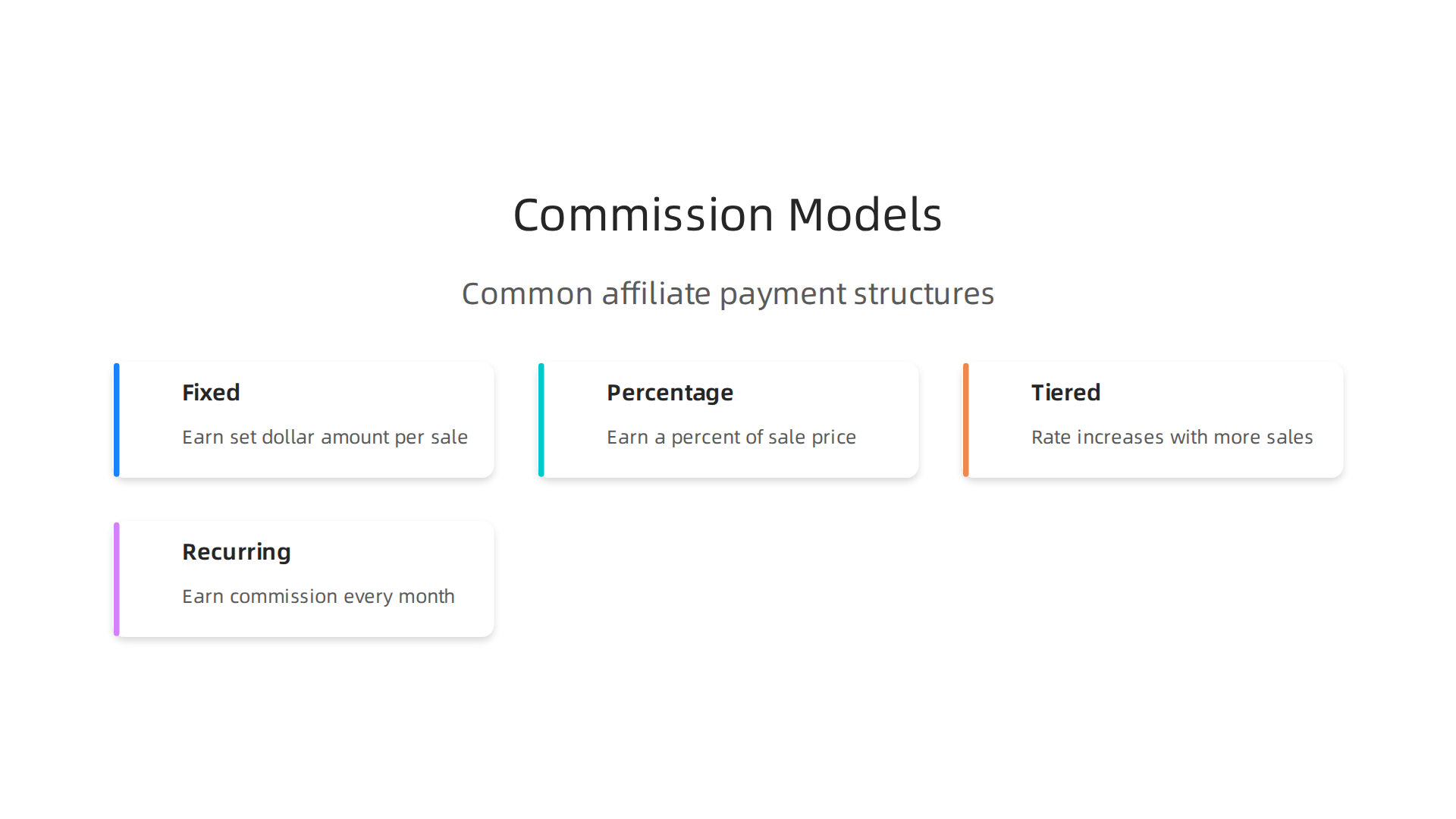
| Model | How It Works | Best For |
|---|---|---|
| Fixed | You earn a set dollar amount per sale, like $50 per customer. | High-ticket items |
| Percentage | You earn a percent of the sale price, typically 8.4% for ecommerce and 22.5% for SaaS. | Recurring digital products |
| Tiered | Your commission rate increases as you generate more sales. | Experienced affiliates |
| Recurring | You earn a commission every month as long as the customer stays subscribed. | Subscription services |
If you are just starting out, understanding these models helps you choose the right affiliate company for your goals. Want to see which platforms offer the best tracking and commissions? Read our guide on the best affiliate programs for beginners without a website in 2026. It covers the tools that make tracking easy and payouts reliable.
The Benefits of Partnering with an Affiliate Company
Why should a merchant or a content creator bother with an affiliate company in 2026?
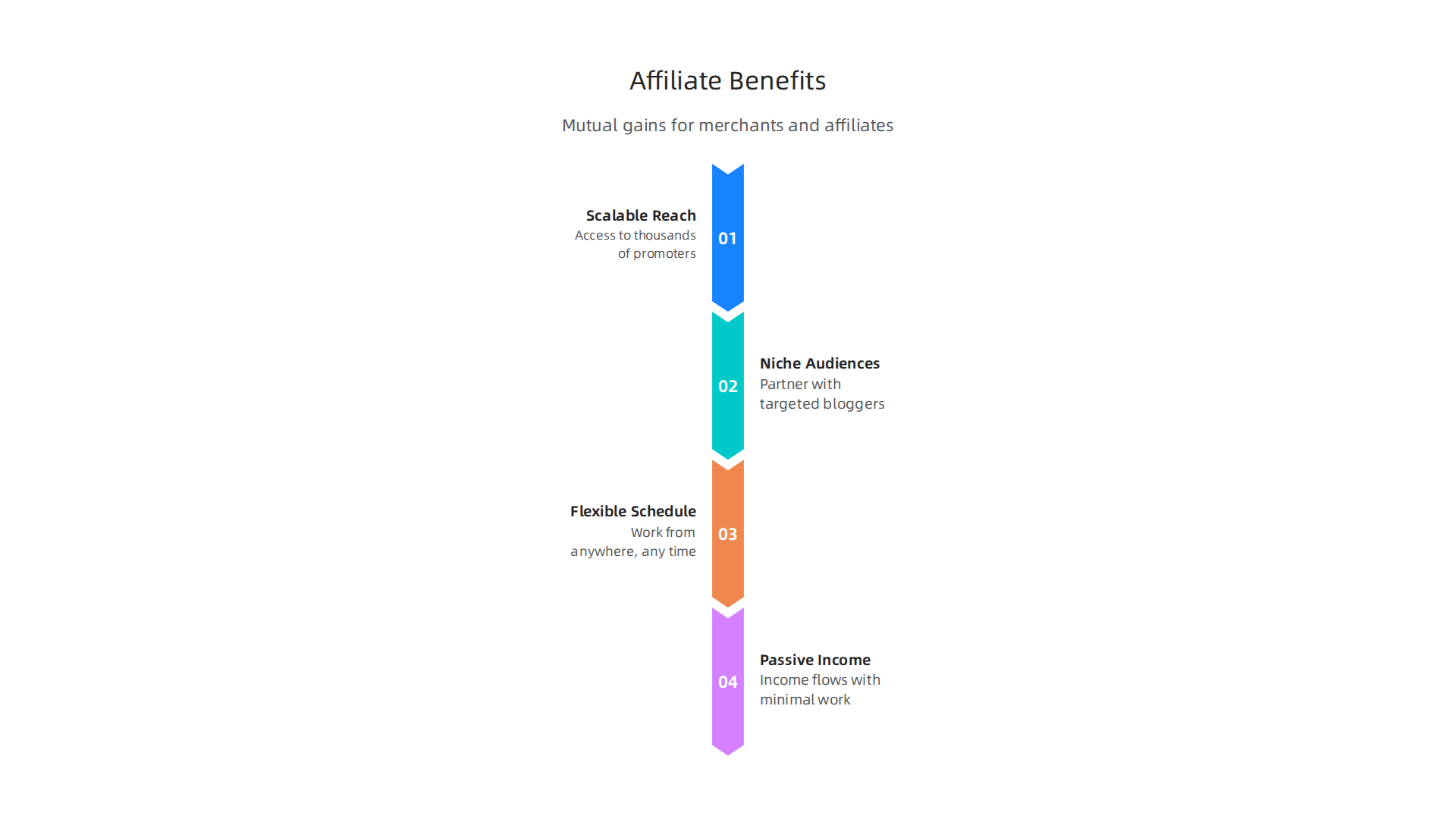
The answer comes down to a simple trade-off. Merchants get sales without upfront ad costs. Affiliates get paid without creating their own products. Both sides win when the right partner is in place.
Benefits for Merchants
For a merchant, the biggest advantage is paying only for results. You do not spend money on ads that might not convert. Instead, you pay a commission after a sale happens. This performance-based cost model keeps your marketing budget lean.
Another benefit is scalable reach. An affiliate company gives you instant access to hundreds or thousands of promoters. These are bloggers, social media influencers, and niche site owners who already have an audience you want to reach. You do not have to build that audience yourself.
Affiliate programs also open the door to niche audiences. For example, if you sell pet products, you can partner with pet care bloggers. They already have the trust of pet owners. That trust often leads to higher conversion rates than a generic ad.
Data backs this up. According to recent research, affiliate marketing delivers a higher return on investment than many other channels source: Fintel Connect. Merchants who use an affiliate company consistently see strong returns because they only pay for performance.
But there is a catch. Fraud exists. Some affiliates use shady tactics to claim commissions. Good affiliate companies invest in fraud detection tools to protect brands. In 2026, many use AI-powered systems to spot fake clicks and fake sales source: Advertise Purple. That means you can partner with confidence.
Benefits for Affiliates
If you are an affiliate, partnering with an affiliate company removes the hardest part of selling. You do not need to create, stock, or ship a product. You simply recommend something you already like and earn a commission. That is a low-risk way to start earning money online.

The schedule is flexible too. You can work from anywhere and at any time. Post a review today, and you might earn commissions for months or even years if the product has a recurring commission model.
Passive income is a real possibility here. Once your content is live and ranking in search engines, it can bring in sales while you sleep. Many successful affiliates report that after the initial effort, the income keeps flowing with minimal daily work.
Still, getting traffic is the top challenge for 45.3% of affiliates source: entrepreneurHQ. An affiliate company often provides tips, banners, and even training to help you drive visitors. That support can make the difference between a side hustle and a full-time income.
The Bottom Line
Whether you are a merchant looking to grow sales or an affiliate looking to monetize your audience, an affiliate company offers a proven path. The key is choosing a program that aligns with your goals. If you are new to this, start with a beginner friendly option. Check out our guide on affiliate marketing meaning, how it works, and real examples for 2026 to see which model fits you best.
Choosing the Right Affiliate Company: What to Look For
By now you understand the benefits. But not every affiliate company is built the same. Picking the wrong one can waste your time or even hurt your reputation. So what should you actually look for? Whether you are a merchant or an affiliate, a few key features matter more than the rest.
For Merchants: Look Under the Hood
If you are a merchant, you need an affiliate company that handles the hard parts. Start with program management features. Can you set custom commission rates for different affiliates? Can you create tiered payouts for top performers? Good affiliate marketing platforms let you control these settings easily.
Next comes affiliate quality. You do not want just anyone promoting your products. The best affiliate networks screen their publishers. They reject affiliates who use spammy methods. Ask about their approval process before you join.
Fraud prevention is non-negotiable in 2026. Fake clicks and fake sales eat your budget. Look for an affiliate company that uses AI powered detection. According to a 2026 guide from InfluenceFlow, a reliable tracking system should catch suspicious activity before you pay commissions
source: InfluenceFlow. Without that, you are leaving money on the table.
Also check the attribution model. Does the network use last-click or multi-touch attribution? A guide from Track360 explains that different models favor different goals source: Track360. If you care about the full customer journey, pick a platform that tracks more than just the final click.
Finally, look at the commission structure. Industry data from 2026 shows the median ecommerce commission sits at 8.4%, while SaaS commissions average 22.5% source: Digital Applied. Make sure your chosen program can match or beat those benchmarks.
For Affiliates: Focus on Earning Potential
If you are an affiliate, your priorities are different. Start with commission rates. Higher rates mean more income per sale. But also check if the program offers recurring commissions. Many affiliate marketing programs in 2026 reward you month after month for the same customer.
Cookie duration matters a lot. How long does the affiliate window stay open? Data from 2026 shows that cookie windows have shrunk for many programs, with 38% of programs using shorter durations source: Digital Applied. A longer cookie window (30 days or more) gives you a better chance to earn from returning visitors.
Product relevance is just as important. Do not promote something you would not buy yourself. Pick an affiliate company whose products match your audience. Trust leads to conversions.
Support can make or break your success. Does the network offer training, banners, or dedicated account managers? Some of the top affiliate marketing platforms provide detailed dashboards and real-time support. That help is invaluable when you are stuck.
Reputation and Terms of Service
Before signing up, read the fine print. Look for a clear terms of service document. Does the affiliate company ban certain promotional methods? What happens if an affiliate violates the rules? A reputable network will protect both merchants and honest affiliates.
Also check payment terms. How often do you get paid? Minimum payout thresholds? Delayed payments can hurt your cash flow. Choose a program that pays on time.
If you want a deeper dive on how to evaluate specific programs, check out our guide on how to start affiliate marketing in 2026 and build a profitable business. It covers the exact checklist you need.
The right affiliate company sets you up for steady earnings. Take your time. Compare options. Then pick the one that fits your goals.
Proven Strategies to Succeed with an Affiliate Company
You picked your affiliate company. Good. Now the real question: How do you actually make this work and earn steady income? Picking the right network matters, but your own actions decide your success. Here are proven strategies that top affiliates use in 2026.
1. Create High-Quality, Authentic Content
The best affiliate marketing platforms give you tools and links. But your content is what earns you sales. Focus on creating real reviews, honest comparisons, and helpful tutorials. People can spot fake recommendations from a mile away.
According to an article from Trackdesk, one of the best affiliate marketing strategies is to create high-value offers that reward repeat buyers source: Trackdesk. That means your content should show readers exactly why a product is worth buying and why they should trust your opinion.
Don’t just list features. Show how a product solved a problem. Include screenshots, personal stories, or video walkthroughs. The more authentic you are, the better your conversions.
If you need help building a content plan, check out our guide on how to build an affiliate marketing blog that earns in 2026. It covers everything from topics to formatting.
2. Build Trust with Transparent Disclosures
Trust is the currency of affiliate marketing. If your audience doesn’t trust you, they won’t click your links. Always disclose your affiliate relationships clearly and early in your content.
A 2026 guide from Zoho highlights the importance of transparency as one of the top tips for sustainable earnings source: Zoho. Add a short disclaimer at the top of your blog posts or in your video descriptions. Something simple like "This post contains affiliate links. If you buy through these links, I may earn a small commission at no extra cost to you."
Genuine recommendations matter more than ever. Only promote products you actually believe in. If you promote junk, your audience will leave.
Want to boost your own expertise so you can recommend with confidence? Consider taking training to build authority in your niche. Programs like Careerist offer tech career training that can help you become a trusted voice in your field.
3. Use Data Analytics to Optimize and Experiment
You can’t improve what you don’t measure. The most successful affiliates in 2026 use data to guide every decision. Track which links get clicks, which offers convert, and which traffic sources perform best.

A strategy guide from Trackier suggests focusing on business outcomes and building a strong tracking foundation source: Trackier. That means using your affiliate company’s dashboard and maybe extra tools like Google Analytics to see the full picture.
Test different offers from the same affiliate network. Try different call-to-action phrases. Experiment with placing links at different spots in your content. Small changes can lead to big jumps in income.
Also pay attention to trends. The affiliate marketing landscape shifts every year. A trends report from Geniuslink notes that 2026 brings new opportunities with AI content tools and changing consumer behavior source: Geniuslink. Stay flexible and keep learning.
Bring It All Together
Your affiliate company gives you the platform. But your content, your honesty, and your data skills will determine your earnings. Start with one strategy. Master it. Then add the next.
If you’re ready to dive deeper, explore our detailed roadmap to how to start affiliate marketing in 2026 and build a profitable business. It walks you through the exact steps from beginner to consistent earner.
Common Challenges and How Affiliate Companies Address Them
No path is perfect. Even with the best strategies, you will hit roadblocks. The difference between success and frustration often comes down to the affiliate company you choose and how it helps you solve real problems.
Challenges Affiliates Face
If you are an affiliate, you probably deal with these issues:
Time management. Creating content, testing products, and tracking links eat up hours. Many affiliates burn out before they see real income. A good affiliate network helps by giving you dashboards and reporting tools so you spend less time organizing and more time creating value. According to a 2026 guide from Influencer Marketing Hub, using the right tools to automate parts of your workflow is one of the top strategies for staying efficient source: Influencer Marketing Hub.
Content saturation. Everyone seems to be promoting the same products. Standing out is hard. Your affiliate company can help by providing unique creatives, exclusive offers, and data on what converts best.
Finding high-converting products. You can link to 50 products and earn nothing. Or link to 3 products and earn well. The best affiliate marketing programs give you insights into which products perform and which ones don’t.
Challenges Merchants Face
If you run a business with an affiliate program, you have your own headaches.
Fraud. Fake clicks and fake signups waste your budget. A strong affiliate company uses advanced tracking systems to catch fraud early.
Brand consistency. You want affiliates to sound like you, not like random salespeople. Many networks offer training materials and approved content to keep messaging aligned.
Low conversion rates. Even good affiliates can fail to sell if the offer is weak. Trends from PartnerStack in 2026 show that tiered commissions and performance incentives help improve partner results source: PartnerStack.
How Affiliate Networks Solve These Problems
The best affiliate companies act as a bridge. They give affiliates the tools they need to create, track, and optimize. They give merchants the protection and reporting they need to scale. It is a two-way relationship that works when both sides have the right support.
For example, if you struggle with creating authentic content for your affiliate links, a good platform will provide product data, comparison charts, and ready-to-use materials. Our guide on how to write a compliant disclaimer for affiliate links shows how transparency protects both affiliates and merchants.
When you choose an affiliate company that addresses these common challenges head on, you remove the biggest obstacles to growth. The right network makes the hard parts easier so you can focus on what matters: earning income and building a business that lasts.
The Future of Affiliate Companies: Trends and Predictions for 2026 and Beyond
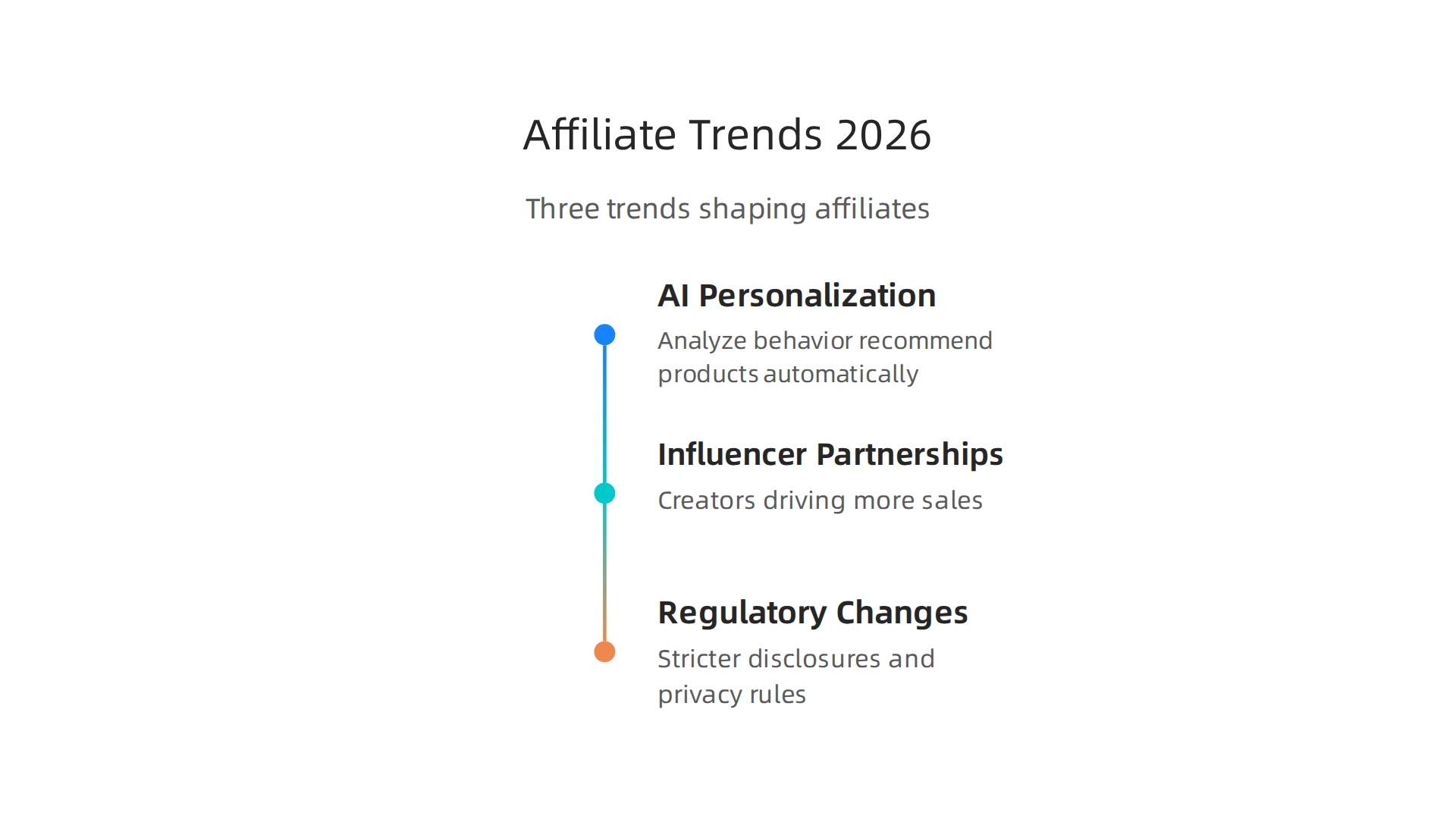
The affiliate marketing industry is growing fast. In 2026, global affiliate spend reached an estimated $19.4 billion, up from $17.1 billion in 2025 source: Digital Applied. That kind of growth means big changes are coming. Here are the three trends that will shape affiliate companies in 2026 and beyond.
AI-Driven Personalization and Automation
Artificial intelligence is changing how affiliate companies operate. Smart tools can now analyze customer behavior and recommend products automatically. They can also help you create content faster and target the right audience. According to a 2026 report from GeniusLink, over 40% of marketers plan to increase their affiliate budgets this year source: GeniusLink.
AI is a big reason why. It saves time and boosts conversions.
If you want to stay ahead, learning how to use AI tools for your affiliate business is a smart move. Our guide on AI affiliate marketing programs can show you where to start. And if you want to build new skills, consider a program like Le Wagon — Global tech bootcamp to learn automation and data analysis.
Rise of Influencer Partnerships and Content Creators
Affiliate marketing is no longer just for blogs and coupon sites. Content creators on YouTube, TikTok, and Instagram are driving more sales than ever. Awin reports that affiliate marketing is expected to drive $1 out of every $7 in US eCommerce sales soon source: Awin. Affiliate companies are adapting by offering better tools for creators, like easy link sharing and real time analytics. If you are a creator, now is the time to join a strong affiliate network that supports your style.
Regulatory Changes and Increased Transparency Requirements
Governments and platforms are cracking down on hidden affiliate links. Expect stricter rules about disclosures and data privacy in 2026 and beyond. Affiliate companies that help you stay compliant will win. Building trust with your audience is more important than ever. Our article on how to write a compliant disclaimer for affiliate links explains the steps you need to take.
The future belongs to affiliate companies that embrace AI, support creators, and put transparency first. The right platform will help you grow without cutting corners.

Summary
This article explains what an affiliate company is, how it powers performance-based partnerships between merchants and affiliates, and why the model matters in 2026’s fast-growing market. It walks through the four core players, the tracking methods (cookies, pixels, postbacks), attribution models, and common commission structures so you can understand how payments and credit are assigned. The guide highlights concrete benefits for both merchants and publishers, practical criteria for choosing a trustworthy affiliate network, and proven content and analytics strategies that drive conversions. It also covers common challenges—fraud, content saturation, and time management—and how modern platforms and AI tools solve them. Finally, the piece looks ahead to trends shaping the industry and gives readers the knowledge to pick the right partner and build a sustainable affiliate strategy.