
Reviews & Guides from Our Experts

Design and Grow a Profitable SEO Affiliate Program

Why an SEO affiliate program matters now — and what this guide will solve
In 2026, many businesses and people who recommend products online face a big challenge: getting noticed.

It’s not enough to just have a great product or helpful advice. You need to make sure people can easily find you when they search online. This is why an SEO affiliate program is so important today.
For those who recommend products, called affiliates, it can be tough to stand out. There are so many websites and social media pages out there. They need ways to make their recommendations easy to find in search engines. They also need to make sure that when someone clicks their link, that person actually buys something. This is called conversion. And most importantly, they need to build real trust with their audience so people keep coming back for advice.
For businesses, called merchants, the problem is similar. They have great products, but how do they get more eyes on them? They need reliable partners who can help customers find their items and make a purchase. It’s a big deal. Did you know that affiliate marketing spending reached an estimated $19.4 billion worldwide in 2026?

This shows just how much money is moving in this area Affiliate Marketing Statistics 2026: 130+ Data Points. Merchants want to make sure their affiliate marketing programs bring in sales and that the people promoting their brand do so in a trustworthy way. They need to find affiliates who can really make a difference, not just send random clicks. The average conversion rate for affiliate programs is around 1.8%, but some can be much higher Affiliate Program Performance Statistics: KPIs & Benchmarks (2026).
This guide is here to help you solve these big problems. We will give you a clear, step-by-step plan for picking the best affiliate programs that focus on SEO. We’ll show you how to promote them well so more people find your content and buy through your links. Whether you’re an affiliate looking to earn more or a merchant wanting to grow, this guide will provide real, proven ways to make your SEO-focused affiliate efforts work in 2026. If you’re wondering about the basics, you can learn more about the affiliate marketing meaning how it works and real examples for 2026. You’ll learn how to find the right affiliate network for your goals and make sure your recommendations build long-term trust.
What is an SEO affiliate program? Definitions, models, and who benefits
An SEO affiliate program is a special kind of partnership. It’s where a person or company, called an affiliate, helps sell products or services from another company, called a merchant. The "SEO" part means they do this mainly by making their content easy to find on search engines like Google. They create helpful articles, reviews, or guides that show up high in search results. When people click on these results and then buy something through a special link, the affiliate earns a commission.
This is different from other ways companies work together online. For example, paid ads make you pay every time someone clicks or sees your ad. Display ads show up on different websites, often based on who is looking at them. An SEO affiliate program, though, relies on free traffic from search engines. Affiliates work hard to make their content so good that search engines want to show it to many people. This builds trust because readers feel they found the information themselves, not that it was forced on them by an ad.
How affiliates get paid
There are a few main ways affiliates get paid when they join affiliate marketing programs:
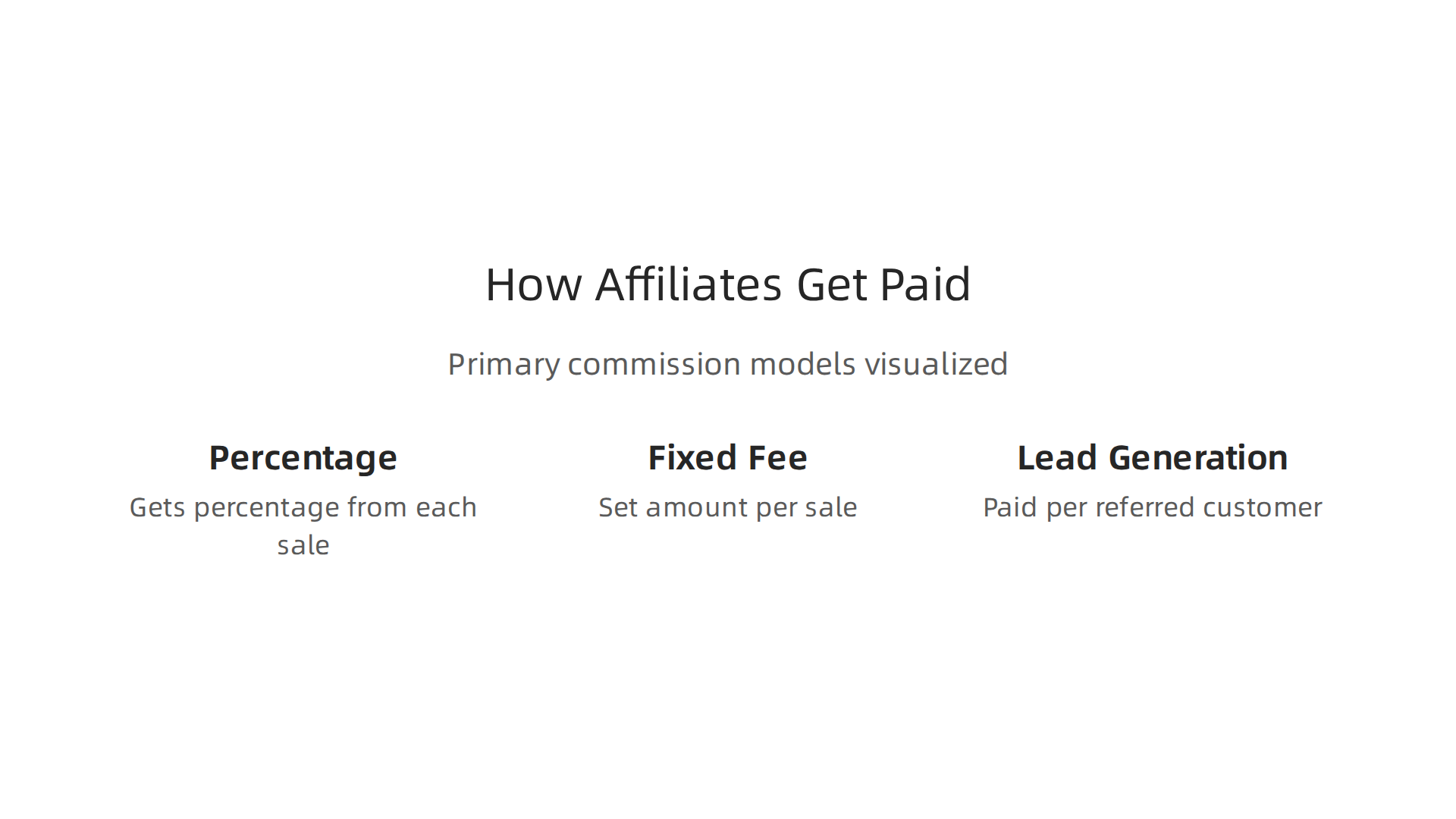
- Percentage of Sale: This is very common. The affiliate gets a certain percentage of the money from each sale they help make. For instance, if they get 10% on a $100 product, they earn $10. Average commission rates can be anywhere from 5% to 30%, but this can change a lot depending on the industry 71 Affiliate Marketing Statistics 2026 Report: ROI, Trends + Future.
- Fixed Fee per Sale: Sometimes, an affiliate gets a set amount of money for each sale, no matter how much the product costs. For example, they might get $20 for every new customer sign-up.
- Lead Generation: In some cases, affiliates earn money just for sending a new potential customer, or "lead," to the merchant. This might be when someone fills out a form or signs up for a newsletter.
How sales are credited
When someone clicks an affiliate link and buys something, how does the merchant know who to pay? This is called "attribution." Most affiliate marketing programs use a "last click" model. This means that the last affiliate link a customer clicked before buying gets the credit for the sale.
Imagine someone searches for a product, reads an article from one affiliate, then later finds another affiliate’s review and clicks their link to buy. The second affiliate would get the commission. This is why it’s so important for affiliates to have content that encourages people to buy right away. The goal is always to create content that stands out and truly guides the customer to a purchase. You can learn more about how to make sure your links contribute to your success with an affiliate links SEO strategy that boosts both rankings and revenue.
Who benefits from an SEO affiliate program?
- Affiliates: They benefit by earning money without having to create their own products or handle customer service. By focusing on SEO, they can get lots of free visitors to their content, which means more chances to earn commissions. It’s a great way to build a business by sharing helpful information.
- Merchants: Businesses get more sales and customers without paying for ads upfront. They only pay the affiliate when a sale happens. This means less risk for the merchant. They also get their products promoted by trusted voices who are good at attracting an audience through search engines. Joining a good affiliate network helps merchants find many such partners easily.
After understanding what an SEO affiliate program is and how everyone benefits, the next big question for affiliates is, "How do I pick the right one?" Choosing high-converting affiliate marketing programs isn’t just about finding any product. It’s about smart choices that match your audience and your content.

Here’s a helpful checklist to guide you in 2026:
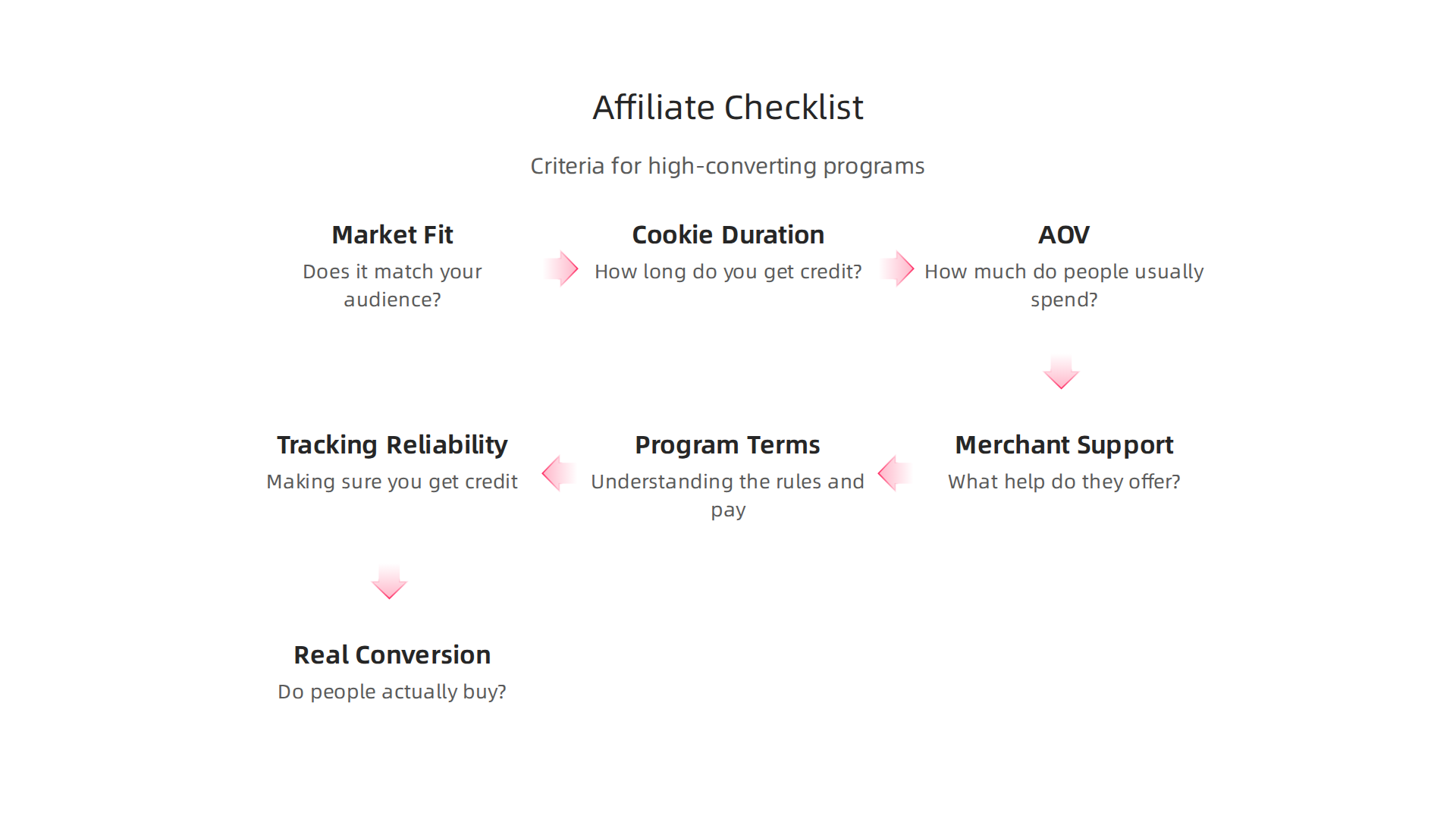
1. Product-Market Fit: Does it match your audience?
The most important thing is to pick products or services that your readers already want or need. If you write about pet care, promoting dog food makes sense. Promoting car parts, not so much. Look for items that naturally fit your content and solve a real problem for your audience. This helps build trust and makes your recommendations more likely to lead to sales.
2. Cookie Duration: How long do you get credit?
When someone clicks your affiliate link, a "cookie" is saved on their computer. This cookie tells the merchant that you sent them. The "cookie duration" is how long that cookie lasts. If it’s 30 days, you get credit if the person buys within 30 days of clicking your link. Longer cookie durations are usually better because people don’t always buy right away. They might need time to think or compare.
3. Average Order Value (AOV) Signals: How much do people usually spend?
Average Order Value, or AOV, is the typical amount a customer spends when they buy something. Even if a product has a great commission rate, a low AOV means you’ll earn less per sale. For example, if a program offers 10% on a $20 item, you earn $2. If it offers 5% on a $200 item, you earn $10. The average order value for affiliate sales is about $125 in 2026, so look for programs with products that meet or beat this number for better earnings
Affiliate Program Performance Statistics: KPIs & Benchmarks (2026).
4. Merchant Content Support: What help do they offer?
Good merchants want you to succeed. They might offer things like product images, videos, sales copy ideas, or even a detailed guide about their product. This support makes it easier for you to create helpful content that people love. It saves you time and ensures your promotions are accurate and appealing.
5. Program Terms: Understanding the rules and pay
Before joining, always read the program’s rules carefully. Look at:
- Commission Rate: Is it a percentage or a fixed fee? Does it feel fair for the product?
- Payment Schedule: How often do they pay? Is there a minimum amount you need to earn before they pay you?
- Payment Method: How will you get your money (PayPal, bank transfer, etc.)?
Knowing these details helps you plan your earnings and expectations. You can also explore how to evaluate and join high-paying affiliate programs in 2026 to maximize your efforts.
6. Tracking Reliability: Making sure you get credit
It’s super important that the program can track sales accurately. If their tracking system is broken, you might not get paid for sales you helped make. Most reputable affiliate networks use good tracking software. You can find many reliable affiliate tracking platforms out there in 2026 that help ensure you get proper credit for your efforts 10 Best Affiliate Tracking Software Platforms Compared (2026).
7. Real-World Conversion Evidence: Do people actually buy?
This is perhaps the most important point. A program might look great on paper, but if no one is actually buying through affiliate links, it won’t earn you money. Research average conversion rates for similar products or industries. While conversion rates vary, affiliate-driven traffic typically converts between 1% and 3%, which is better than many other ad types 200+ Affiliate Marketing Statistics to Help You Scale. Some top programs even see 5% or higher. Look for signs that the product converts well. This could be reviews from other affiliates, or the product’s own sales numbers.
By carefully checking these points, you can choose the best affiliate programs that truly fit your content and audience. This careful planning helps you build a strong, money-making SEO affiliate program strategy.
After you’ve carefully chosen the best affiliate programs, the next step is to create content that brings people in and helps them buy.

This is where your content strategy, or plan for what you write, becomes super important for your seo affiliate program. It’s not just about writing anything; it’s about writing the right things that truly help your audience and lead to sales.
High-Impact Content Formats for Your SEO Affiliate Program
Certain types of content work really well for affiliate marketing.
They don’t just get found by search engines but also build trust and persuade people.
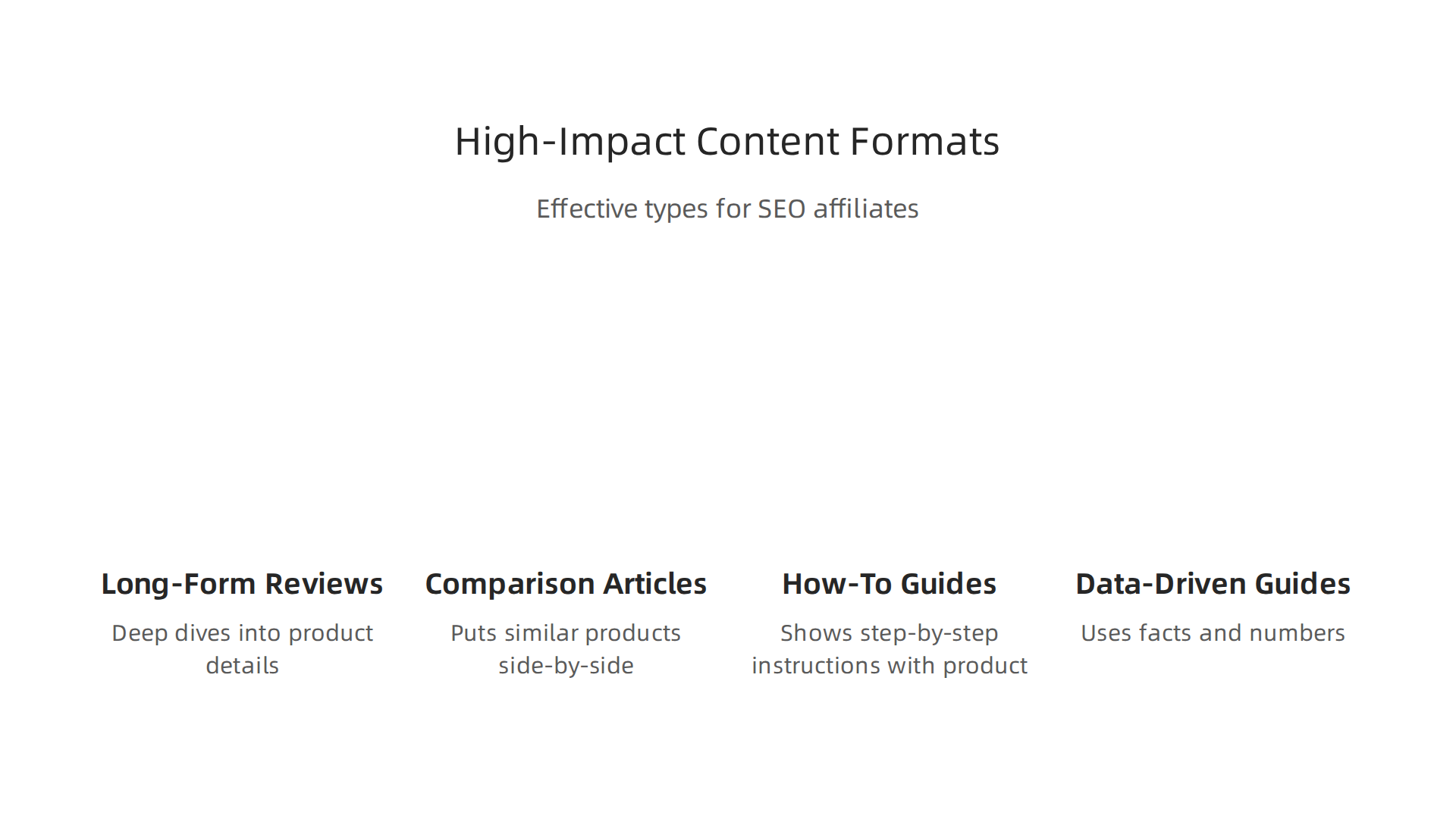
- Long-Form Reviews: These are deep dives into a product. You talk about everything: what it does, who it’s for, the pros, the cons, and your own experience using it. Think of it as telling a friend all about something you tried. These detailed reviews help people make smart choices and are often highly valued by search engines when done well Best Practice Article Series: Recommendations.
- Comparison Articles: Here, you put two or more similar products side-by-side. You compare their features, prices, and what makes them different. For example, "Product A vs. Product B: Which is Better for You?" This helps people decide when they are stuck between a few options.
- How-To Guides and Tutorials: These pieces of content show people how to do something, step by step. If you’re promoting a software, a tutorial on "How to Use X Software to Do Y" can be very effective. You naturally weave in the product as the solution.
- Data-Driven Guides: This means using facts, numbers, and research to back up your points. When you use real data, your content becomes more trustworthy and helpful. For instance, a guide on "The Best Dog Foods for Sensitive Stomachs, Backed by Vet Data."
These formats not only help your readers but also give you lots of chances to naturally include your target keywords and related terms, making your content stronger for search engines. To learn more about how to set up your content, you can explore how to build an affiliate marketing blog that earns in 2026.
On-Page SEO and CRO Tactics for More Sales
To make sure your content is seen and clicked, you need to use good SEO (Search Engine Optimization) and CRO (Conversion Rate Optimization) tactics.
On-Page SEO Tactics: These are things you do on your webpage to help search engines understand what your content is about.
- Keywords: Use your main keywords, like "seo affiliate program," in your title, headings, and throughout your content. Don’t overdo it, just make it natural.
- Clear Headings: Break up your text with clear headings (like the ones you’re reading now). This makes your content easy to read and helps search engines understand the different parts.
- Meta Descriptions: This is the short summary people see in search results. Make it catchy and include your keywords to encourage clicks.
- Internal Links: Link to other helpful pages on your own website. This keeps readers on your site longer and tells search engines your site is full of good information.
- Good Readability: Write simply. Short sentences and easy words help everyone, including search engines, understand your message. Research shows that making websites readable also helps them be found by search engines Search engine optimization and its association with readability and ….
CRO Tactics: These are ways to make sure more people who visit your page actually take the action you want, like clicking an affiliate link or buying a product.
- Clear Calls to Action (CTAs): Tell people exactly what to do next. Use buttons like "Shop Now," "Learn More," or "Get the Best Price Here."
- Trust Signals: Show people why they should trust you. This could be by sharing your own experiences, showing expert opinions, or including positive reviews. Always make sure to be open about your affiliate links. You can learn more about how to write a compliant disclaimer for affiliate links.
- Easy Navigation: Make it simple for people to find what they’re looking for on your page. No one likes a confusing website.
- Good Page Speed: Your page should load fast. People don’t like waiting, and slow pages can make them leave.
By focusing on these content strategies and combining them with smart SEO and CRO tactics, you can make your seo affiliate program really shine in 2026. This means more visitors, more trust, and ultimately, more earnings.
To truly make your SEO affiliate program shine and turn those visitors into earnings, you need the right tools and a smart plan. Imagine trying to build a house without a hammer or saw; it would be very hard! The same is true for managing your affiliate marketing programs. In 2026, there are great tools and easy ways to keep track of everything, especially when you are part of many affiliate networks.
Essential Tools for Your SEO Affiliate Program
Managing many affiliate marketing programs means you’ll need a few key tools.
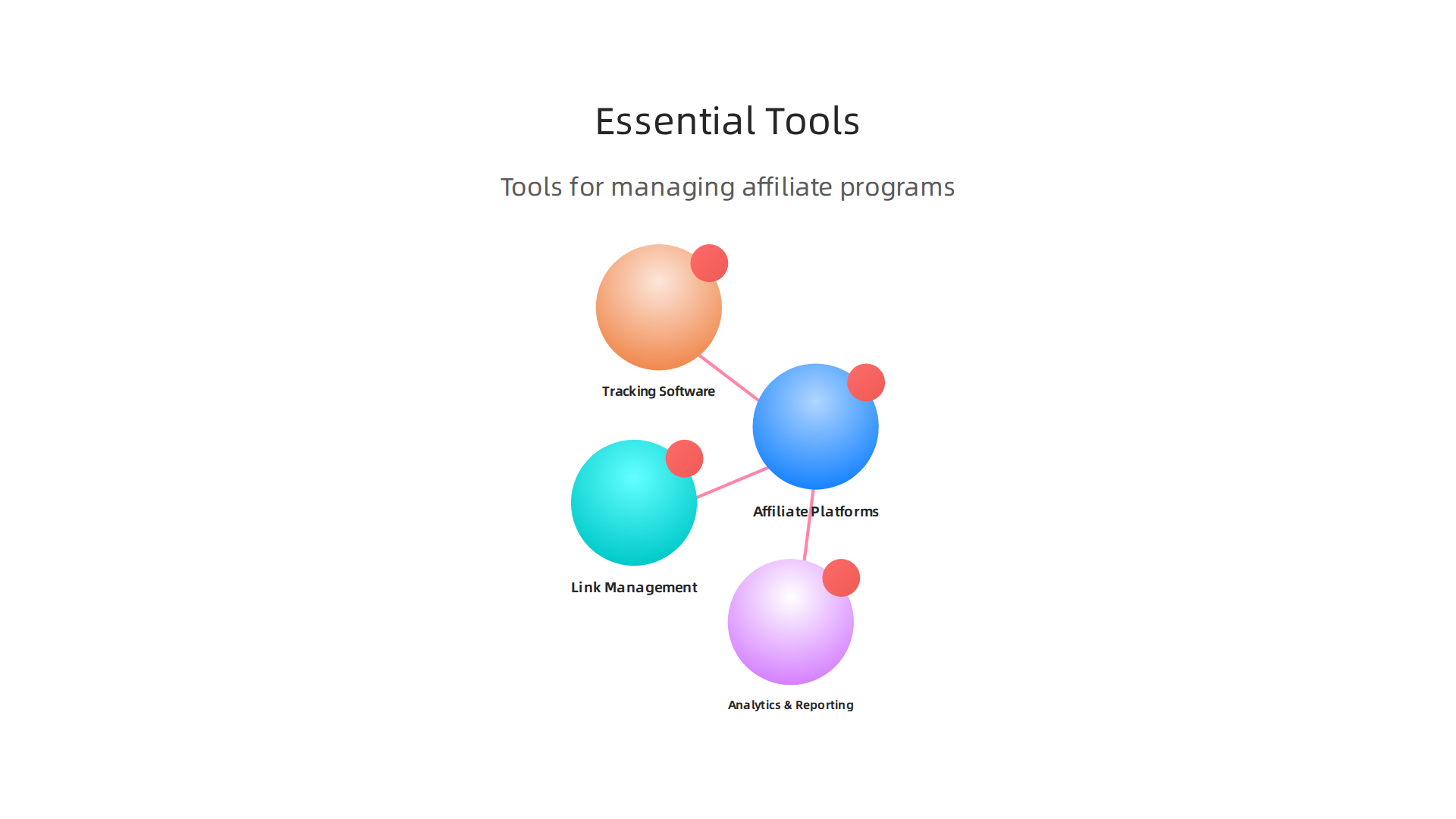
These tools help you stay organized, see what’s working, and make more money.
- Affiliate Platforms and Networks: These are like big online shopping malls where many brands (merchants) put their affiliate programs. Instead of joining each company’s program one by one, you join a network. Then you can pick and choose from lots of different programs in one place. Popular examples include CJ Affiliate and Affise, which are considered some of the best affiliate marketing platforms in 2026. These networks make it easier to find and manage various affiliate programs.
- Affiliate Link Management Tools: When you have many links, it can get messy. Link management tools help you keep your links tidy. They can also make your long, ugly affiliate links look short and pretty. Some even help you track how many people click your links, which is super helpful for your seo affiliate program. Many expert insights are available to help you find the best affiliate tracking software for your use case in 2026.
- Affiliate Tracking Software: This is perhaps the most important tool. It helps you see exactly how your links are doing. You can find out which products people click on most, which ones lead to sales, and how much money you’re making from each program. In 2026, there are many choices, and some of the top 7 affiliate tracking platforms include LinkTrust, Everflow, and Voluum. It’s really hard to know what to improve if you don’t track your results.
- Analytics and Reporting Tools: These tools go hand-in-hand with tracking software. They help you understand all the data. You can see trends, find out where your traffic comes from, and learn more about your audience. This information is key to making smart choices about your content and what affiliate products to promote next. Understanding these affiliate tracking statistics for 2026 helps you refine your strategy.
A Smart Way to Manage Your Affiliate Programs
Having the right tools is just the start. You also need a good plan for how you use them. Here’s a simple workflow for managing your many affiliate marketing programs:
- Step 1: Test New Programs Wisely. When you find a new affiliate program that looks good, don’t go all-in right away. Try promoting just a few products from it first. See how your audience responds. Are they clicking? Are they buying? You can learn more about how to evaluate and join a high-paying affiliate program in 2026.
- Step 2: Track Everything Closely. Use your tracking software to watch the performance of your test programs. Pay attention to how many clicks you get, how many sales happen, and how much commission you earn. This data tells you if a program is a good fit for your audience and your seo affiliate program goals.
- Step 3: Cut What Doesn’t Work. If a program isn’t bringing in sales or your audience doesn’t seem interested, it’s okay to stop promoting it. Your time and effort are valuable, so focus them where they matter most.
- Step 4: Scale the Winners. When a program or specific product starts doing really well, that’s your cue to do more! Create more content about it, try different ways to promote it, or even make it a main part of your website. This is how you grow your earnings and make your overall affiliate program stronger. You can often find a helpful YouTube comparison of affiliate tracking platforms in 2026 to help you choose wisely.
By using these tools and following this simple plan, you can easily manage many different affiliate programs. This helps you work smarter, not harder, leading to more success in your affiliate marketing journey.
Merchant Playbook: Designing an SEO-Friendly Affiliate Program That Sellers and Publishers Love
Just like publishers need a good plan to manage their many affiliate marketing programs, businesses (merchants) need a smart way to set up their own programs. This helps them attract the right kind of partners, especially those who are good at making content that search engines love. A well-designed seo affiliate program means happier publishers, more sales, and stronger trust.
Here’s how merchants can create a great program:
1. Give Great Creative Assets
Think of creative assets as the tools your affiliates use to tell people about your products. These are things like:
- Banners and Images: Provide high-quality pictures and banners of your products. Make sure they are clear and show what your product does. It’s helpful if you name these images with words people search for, like "best running shoes 2026" instead of "image1.jpg."
- Product Descriptions: Give affiliates detailed but easy-to-understand product descriptions. These should highlight the best features and use relevant keywords that people search for online. Good content uses proper keywords to show search engines what it’s about, which helps with ranking organically Best Practice Article Series : Recommendations : Web ….
- Video Snippets: Short, engaging videos can really help affiliates show off your products.
- Ready-to-use content ideas: Sometimes, affiliates need a little push. Offer ideas for blog posts or social media updates that they can use as a starting point.
When you give affiliates good materials, they can create better content, which is key for a strong seo affiliate program.
2. Set Clear and Fair Program Terms
The rules of your program need to be easy to understand and fair for everyone. This includes:
- Commission Rates: How much will affiliates earn for each sale? Make sure your rates are competitive. Higher commissions can attract better affiliates who create more in-depth content. Consider offering tiered rates where top performers earn even more. This helps them see the value in promoting your brand. You can learn more about finding high pay affiliate programs that actually pay big in 2026.
- Payment Schedule: When and how often will affiliates get paid? Being clear and paying on time builds trust.
- Cookie Duration: This is how long an affiliate gets credit for a sale after someone clicks their link. A longer cookie duration is more attractive to affiliates.
- Allowed and Disallowed Practices: Clearly state what affiliates can and cannot do. For instance, are certain types of ads allowed? Can they bid on your brand name in search engines?
A very important part of program terms involves disclosures. In 2026, the FTC (Federal Trade Commission) rules say that affiliates must tell their readers when they are getting paid for a recommendation. Merchants should educate their affiliates about these rules and make sure they understand how to give clear and visible disclosures. This helps avoid problems and builds trust with customers FTC Influencer Disclosure Rules April 2026 | Launchpoint Blog.
3. Make Onboarding Easy
When a new affiliate joins your affiliate network, make it simple for them to start.
- Welcome Kit: Provide a clear guide or welcome kit. This should have all the important information: how to get links, where to find creative assets, and who to contact for help.
- Training and Support: Offer some basic training or tips on how to best promote your products. Quick answers to questions can make a big difference.
4. Encourage Quality, Trust-Building Content
You want affiliates to create content that really helps people, not just quick ads. This type of content usually does better in search engines and builds trust.
- Incentivize Reviews and How-To Guides: Reward affiliates who write detailed reviews, comparison articles, or step-by-step guides. For example, you could offer bonus commissions for content that gets a lot of engagement or sales over time.
- Focus on Long-Term Value: Encourage affiliates to build trust with their audience. Content that answers questions, solves problems, and offers true value will always perform better than short, salesy posts. This also helps with SEO, as search engines favor helpful, well-researched content that uses authoritative sources Sources & References – Rice University.
- Provide Data: Share data on which types of content or products perform best. This helps affiliates create more of what works.
By focusing on these areas, you can build an affiliate marketing program that not only attracts top talent but also helps your brand grow through honest, effective online promotion. For a detailed guide on managing your programs, check out Your 2026 blueprint for successful affiliate marketing programs.
A big part of running a good seo affiliate program or being a great affiliate is making sure everyone knows how things work. This means being honest about when you’re getting paid to recommend something. It’s not just about being fair; it’s also a rule set by the government to keep things clear for customers.
What are Disclosures?
Disclosures are simple statements that tell your audience you have a special connection with a brand or product you’re talking about. For example, if you get money for each sale you help make, you need to tell people that. This is called a "material connection." In 2026, the FTC (Federal Trade Commission) is very clear about these rules. They want to make sure people know when a recommendation is also an ad.
How to Make Disclosures Clear
To build and keep trust with your audience and make your affiliate marketing programs strong, your disclosures must be:
- Easy to Understand: Use simple words. Phrases like "This is an ad," "Sponsored post," or "Affiliate link" work well. Avoid fancy legal words that confuse people.
- Easy to See: Your disclosure should be right where people will notice it.
- For blog posts, put it at the top of the article or very close to the affiliate link itself.
- For videos, say it out loud at the start and maybe put text on the screen.
- For social media, use hashtags like #ad or #sponsored right at the beginning of your post.
The goal is for an average person to easily spot it before they even click a link or read too much. The FTC has helpful guides on how to make these disclosures clear for social media influencers and others online Disclosures 101 for Social Media Influencers.
Keeping trust helps your seo affiliate program because people are more likely to listen to and buy from sources they trust. This means they might spend more time on your page, which search engines notice.
Risk Checklist for Affiliates and Merchants
Both merchants and affiliates need to work together to make sure everything is compliant and honest. Here’s a quick checklist:
- Legal Requirements:
- FTC Rules: Are all affiliate links and sponsored content clearly disclosed? The FTC’s rules apply to everyone who promotes products and services online FTC’s Endorsement Guides: What People Are Asking.
- Local Laws: Are there other rules in your country or region you need to follow?
- Brand Safety:
- Content Quality: Is the content helpful and truly valuable?
- Brand Image: Does the affiliate’s content reflect well on the merchant’s brand? Merchants should make sure their
affiliate networkpartners uphold good standards.
- Content Accuracy:
- Truthful Claims: Are all claims about products true? No fake reviews or exaggerated promises.
- Up-to-Date Information: Is the information about products, prices, and offers current?
By paying close attention to disclosures and making sure all content is honest and clear, both merchants and affiliates can build a strong, trustworthy seo affiliate program that benefits everyone. For more details on how to write a good disclaimer, you can learn how to write a compliant disclaimer for affiliate links.
Summary
This article explains why SEO‑focused affiliate programs matter in 2026 and gives a practical roadmap for both affiliates and merchants. It defines an SEO affiliate program, outlines common payment models and attribution, and shows who benefits and why search traffic and trust are central. You’ll get a clear checklist for choosing high‑converting programs (product‑market fit, cookie duration, AOV, tracking reliability and more) and content strategies that rank and convert, including long reviews, comparisons, tutorials, and data guides. The guide also covers on‑page SEO and CRO tactics, essential tools and a simple workflow to test and scale offers, plus a merchant playbook for creating assets, fair terms, and easy onboarding. Finally, it explains disclosure requirements and a risk checklist so your program stays compliant and trustworthy. After reading, you’ll know how to pick, promote, track, and scale SEO affiliate programs that drive real revenue.