
Reviews & Guides from Our Experts

Build Your Proforma Affiliate Plan for Predictable Affiliate Income

Many people want to make money online through affiliate marketing. But it’s not always easy to know if your hard work will actually pay off. People who promote products (affiliates) often struggle to guess how much money they will earn. And businesses selling products (merchants) find it hard to pick the right partners and see how well their plans are doing. This makes it tough to grow your business in today’s very busy online world.
The affiliate marketing world in 2026 is bigger than ever. Experts say the global industry will reach $24.7 billion this year Affiliate Marketing Industry Statistics 2026. Yet, finding the best affiliate programs and figuring out how much income your affiliate links will truly bring in can feel like a guessing game. The average number of people who click your links and buy something is usually only about 1-3% Affiliate Program Benchmarks (2026). This means many good ideas might not make much money if you don’t plan carefully. This challenge affects everyone, whether you are just starting or already running big affiliate marketing programs.
This is why using a "proforma affiliate" approach is so important. A proforma plan means you make smart estimates about your money and time before you even begin.
It helps you see clearly what you can expect and what goals to set. It helps you understand the bigger picture of your earnings and expenses, moving you away from simple hope to a solid strategy.
This guide will give you a clear, easy-to-follow plan. We’ll show you how to pick the right products, understand important numbers, use simple templates, track your success, follow all the rules, and make your business grow bigger. We want to help you take the guesswork out of affiliate marketing so you can build a smart and steady income. If you want to learn more about how different programs work, check out this guide on affiliate marketing programs playbook.
What Is a Proforma Affiliate (and who should use one?)
Think of a proforma affiliate as a smart map for your online money-making journey. It is a special kind of plan or a detailed template that helps you guess how much money you might make, what things will cost, and how well your efforts will do before you even start. This plan is super helpful for anyone looking to promote products or services, especially when you are leading the promotions yourself, like a publisher.
This isn’t just a hopeful guess. A proforma plan uses real numbers and smart thinking to predict your sales and how much you will earn from your affiliate links. For example, knowing that the average commission rate around the world is about 9.2% of a sale in 2026 can help you set realistic income goals Affiliate Marketing Statistics 2026 – Searchlab. It also looks at the money you might spend, like on tools or ads, and important numbers that show if you are doing well. These "Key Performance Indicators," or KPIs, are simple ways to track your success, like how many people click your links or buy something after seeing your recommendation.
Who Should Use a Proforma Affiliate Plan?
Actually, two main groups find a proforma affiliate plan incredibly useful:
-
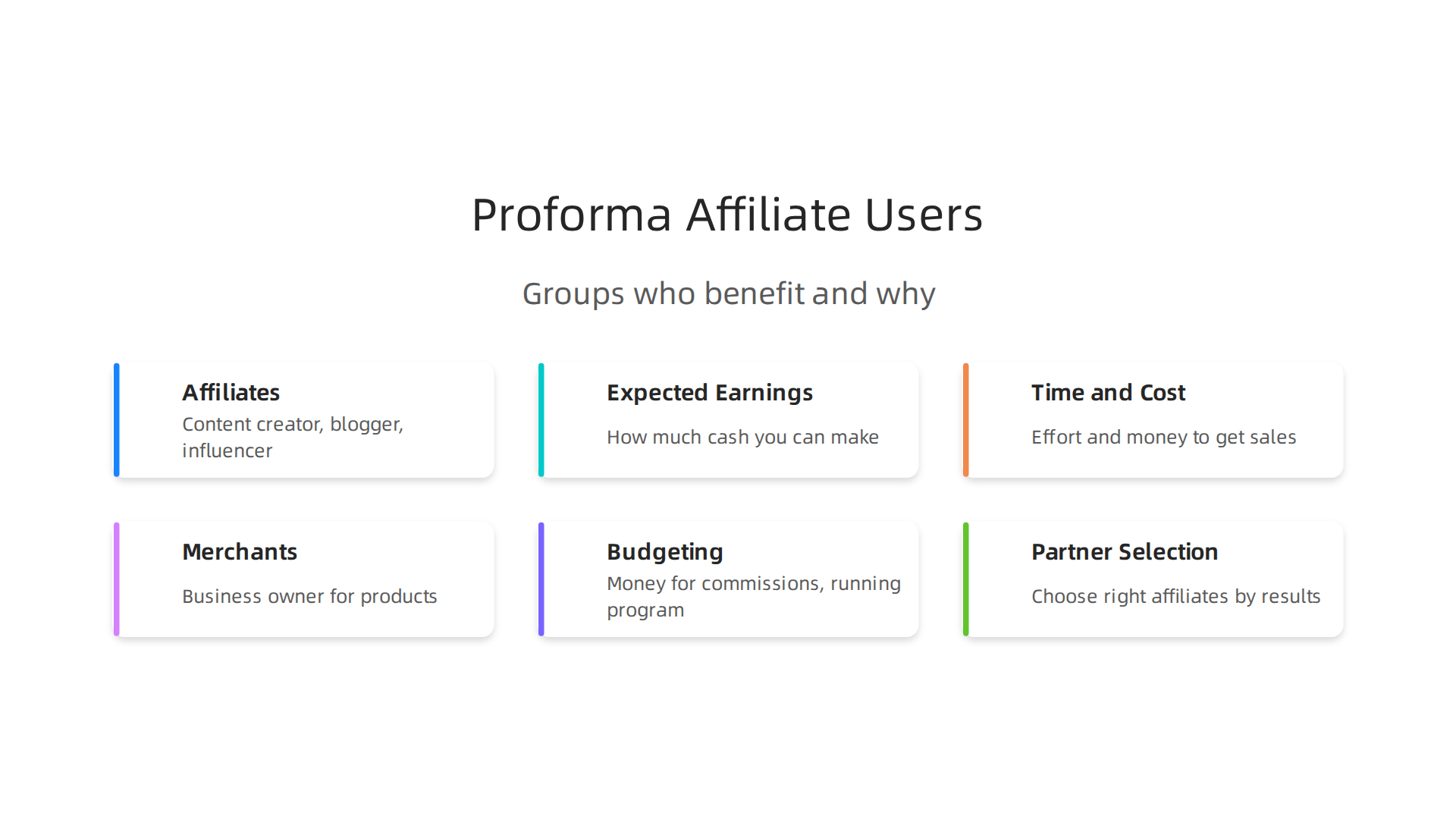
For Affiliates (or Publishers): If you are a content creator, blogger, or influencer, you are an affiliate. You want to make money by sharing products or services you love. A proforma plan helps you see:
- Expected Earnings: How much cash you can truly expect to make from promoting certain products.
- Time and Cost: What you might need to spend in terms of effort and money to get those sales.
- Choosing Programs: It helps you pick the best affiliate programs that will give you the most return for your work. You can weigh which opportunities are worth your time. Learning more about what affiliate marketing is can give you a clearer picture of how these plans fit in.
-
For Merchants (or Businesses): If you own a business and want other people (affiliates) to help sell your products, you are a merchant. For you, a proforma plan is about planning your entire
affiliate marketing programs:- Budgeting: How much money you should put aside for paying commissions and running the program.
- Partner Selection: It helps you choose the right affiliates by showing you what kind of results you can expect from different types of partners.
- Goal Setting: You can set clear goals for how many sales you want to make and see if your program is likely to hit those targets. Understanding your 2026 blueprint for successful affiliate marketing programs starts with solid planning.
In short, whether you are trying to earn money by promoting products or you are a business owner looking for others to sell your items, a proforma affiliate plan takes the guesswork out of the picture. It helps you make smart decisions with confidence, building a steady path to success in the busy online world of 2026.
A smart map needs good landmarks to guide you. Just like a proforma affiliate plan helps you see your path, market benchmarks are like those landmarks. They show you what real performance looks like for others in the world of online selling. By knowing these common numbers, you can make your own plan much more realistic.
Let’s look at some important benchmarks that both affiliates and businesses (merchants) use in 2026:
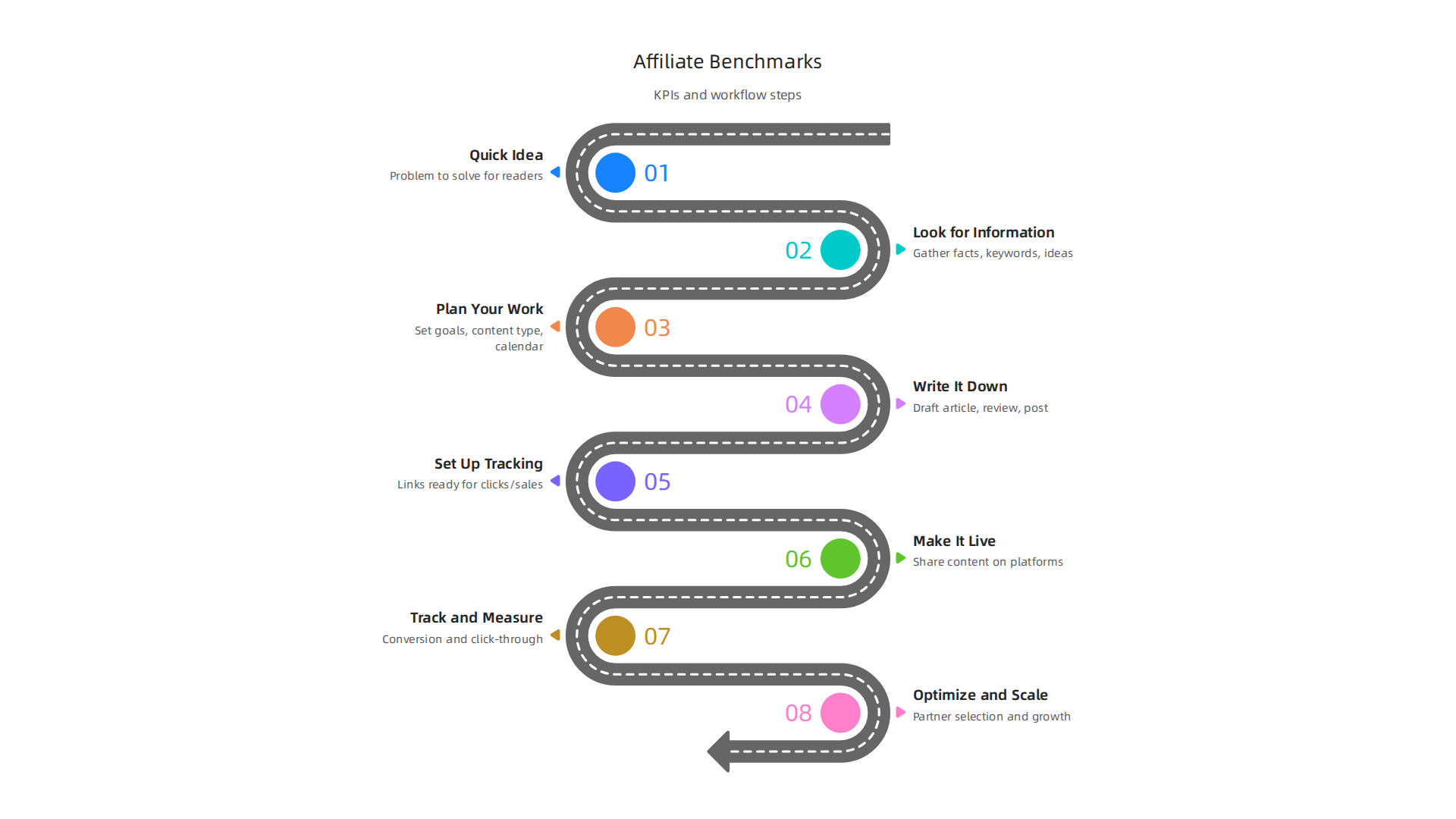
Key Benchmarks for Affiliate Success
- Conversion Rate (CVR): This number tells you how many people who click on your
affiliate linksactually buy something. For example, if 100 people click your link and 3 buy, your conversion rate is 3%.- In 2026, the average conversion rate for
affiliate marketing programsis often between 1% and 3% for e-commerce. However, some areas like software (SaaS) or financial services can see higher rates, sometimes up to 7% or 8% Affiliate Program Benchmarks (2026). Others report an average around 1.8% across different programs Affiliate Program Performance Statistics: 2026 Benchmarks. A good goal for aproforma affiliateplan might be to start with a modest conversion rate and then aim to improve it.
- In 2026, the average conversion rate for
- Earnings Per Click (EPC): This number shows how much money you earn each time someone clicks on your
affiliate links, whether they buy something or not. It helps you understand the value of your traffic.- While specific global EPC numbers can change a lot, knowing that the average commission per click in affiliate marketing is much lower than other ads (like Google Ads) helps set realistic expectations for your earnings Affiliate Marketing Statistics 2026 – Searchlab. A good EPC suggests your content is helping people decide to buy.
- Average Order Value (AOV): This is the average amount of money a customer spends when they make a purchase through your
affiliate links. If you promote expensive items, your AOV will be higher, meaning bigger commissions even with fewer sales.- The average order value for sales through affiliates is around $125 in 2026 Affiliate Program Performance Statistics: 2026 Benchmarks. This number is important because it directly impacts how much commission you can make from each sale.
- Click-Through Rate (CTR): This tells you how many people see your
affiliate links(or your content containing them) and then actually click on them. It measures how engaging your content is.- A typical click-through rate for
affiliate linksmight be around 0.09% Affiliate Program Performance Statistics: 2026 Benchmarks. This means out of many people who see your link, a small but important group clicks it. Boosting this rate means more potential sales.
- A typical click-through rate for
Using Benchmarks in Your Proforma Affiliate Plan
When you create your own proforma affiliate plan, you don’t have to guess. You can use these real-world numbers as a starting point.
For example, if you plan to promote products in the e-commerce world, you might assume a conversion rate of 1% to 2% at first. If you are in a niche like software, you might aim for a higher rate. Thinking about these numbers helps you predict your earnings more accurately. It also shows you areas where you might need to improve. For instance, if your CTR is low, you know you need to make your content more inviting for people to click your affiliate links.
These benchmarks help you compare your own performance to what is typical in the market. This way, you can see if your affiliate marketing programs are doing well or if you need to adjust your strategy. To really grow your income, it’s smart to look for high paying affiliate programs that align with strong benchmarks. Knowing these numbers helps you set good goals and measure your progress on your journey.
Making money from affiliate marketing programs is exciting, but it’s super important to follow the rules.

Just like a good map needs signs, your proforma affiliate plan needs legal steps to keep you on the right path. These rules help everyone trust each other: the person promoting, the company selling, and the customers buying.
Let’s look at the main legal things you need to know in 2026.
What Affiliates Must Do: Tell Everyone About Your Links
When you share affiliate links, you need to be honest with your audience. This means telling them that you might earn money if they buy something through your link. This is called a "disclosure." The Federal Trade Commission (FTC) in the U.S. has clear rules about this.
Here’s what you need to do:
- Be Clear and Easy to See: Your disclosure should be easy to find and read. It shouldn’t be hidden away at the bottom of a long page or in tiny print. It needs to be "clear and conspicuous," meaning hard to miss and simple to understand, like a big sign that says "Paid partnership" or "I earn a commission" FTC Disclosure Rules for Influencers (2026 Guide…).
- Put It Near the Link: The disclosure should be placed very close to where you mention the product or share the
affiliate links. People should see it before they click Affiliate Marketing Disclosure Rules for Creators (FTC Guide 2026). - Tell What You Get: You need to explain that you have a "material connection" to the product. This means you get something for promoting it, like money, free products, or discounts FTC Disclosure Rules for Affiliates: What You Must Know in 2026. Even if it’s just a chance to earn a commission, you must say so 2026 FTC Influencer Disclosure Rules.
Why is this so important? It builds trust. When people know you’re being honest, they’re more likely to believe what you say about a product. This trust can actually help you earn more in the long run. If you want to learn more about how to word these statements, check out how to write a compliant disclaimer for affiliate links.
What Companies (Merchants) Must Do: Clear Rules and Privacy
Companies that run affiliate marketing programs also have responsibilities:
- Clear Program Rules: Merchants need to make sure their affiliate program terms are easy to understand. This includes how much affiliates will earn, how and when they get paid, and any special rules they need to follow.
- Privacy and Tracking: When
affiliate linksare clicked, data is collected to track sales. Merchants must be clear about how they use this data and follow privacy laws. This usually means telling customers about cookies and getting their OK (consent) to track their actions online. This helps protect customer privacy, which is a big deal in 2026.
By having clear rules and respecting privacy, merchants help build a trustworthy system for everyone. When both affiliates and merchants follow these legal steps, it makes the whole affiliate marketing programs world fairer and more open. This honesty makes your proforma affiliate plan stronger and more likely to succeed because people trust what you’re doing.
Moving from the important legal steps, let’s talk about how to actually make great content for your proforma affiliate plan. Creating useful content is key to helping people and earning money through affiliate marketing programs. Having a clear plan helps you stay on track and make sure your work pays off.
Here’s a step-by-step way to create content that really works:
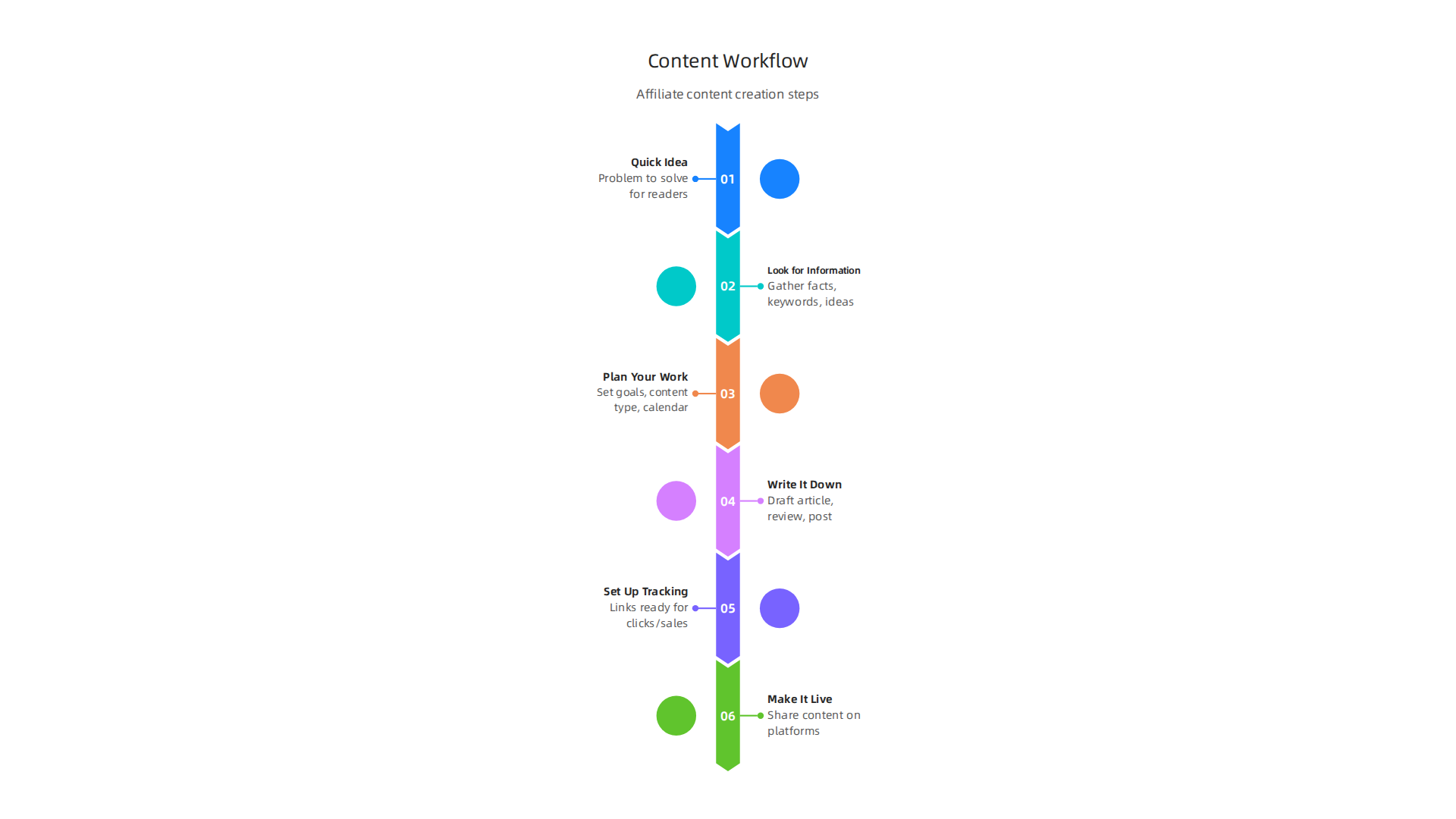
Your Content Workflow: A Simple Plan
Think of this as your recipe for making good affiliate links content:
- Start with a Quick Idea (Brief): What problem are you trying to solve for your readers? What product will help them? This is like figuring out the main point of your story.
- Look for Information (Research): Before you write, gather facts. Look at the product, find keywords people are searching for, and see what others are saying. You can even find ideas for content structures from an AI Affiliate Marketing Content Guide 2026.
- Plan Your Work (Proforma Inputs): This is where you set your goals. How will you measure success? What kind of content will it be? A clear content calendar can help you organize your publishing loop, showing you what to write and when to check it again Affiliate Content Calendar Template for 30 Days 2026.
- Write It Down (Content Draft): Now, write your article, review, or social media post. Make it helpful and easy to understand.
- Set Up Tracking: Make sure your
affiliate linksare ready to go. You need to know when someone clicks your link and buys something. Choosing the right software is important for knowing how well your links are doing. If you’re wondering how to keep track of all this, you might want to learn about affiliate marketing link tracking that stops guessing and boosts earnings. - Make It Live (Publish): Share your content! Put it on your website, blog, or social media.
Handy Templates to Use
To make things easier, here are some simple templates you can copy for your affiliate marketing programs:
Headline Formulas (How to make people click!)
- "[Number] Best [Product Type] for [Problem] in 2026" (Example: "10 Best Coffee Makers for Busy Mornings in 2026")
- "How to [Achieve Goal] with [Product Name]" (Example: "How to Bake Perfect Cookies with the XYZ Mixer")
- "[Product Name] Review: Is It Worth It in 2026?" (Example: "Super Clean Vacuum Review: Is It Worth It in 2026?")
Product Review Checklist (Things to remember when reviewing)
When you write a review, make sure to cover these points. There are many proven formats for affiliate content templates you can use.
- What is the product?
- Who is it for?
- What problem does it solve?
- How easy is it to use?
- What are the best parts (pros)?
- What are the not-so-good parts (cons)?
- How much does it cost? (Are there different versions?)
- Your honest opinion and if you recommend it.
Simple Revenue Forecast Table (Planning your earnings)
This table helps you guess how much money you might make. It’s a key part of your proforma affiliate planning.
| Item You Promote | Expected Clicks | Expected Sales | Commission Per Sale | Total Estimated Earnings |
|---|---|---|---|---|
| Coffee Maker X | 100 | 5 | $10 | $50 |
| Book Y | 200 | 10 | $5 | $50 |
| Online Course Z | 50 | 2 | $50 | $100 |
Using these steps and templates can help you create strong content and succeed with affiliate marketing programs, even if you’re just getting started. If you’re looking for more tips on starting your journey, learn how to start affiliate marketing in 2026 for beginners.
How to Choose High-Converting Products: A Proforma-Driven Selection Process
Now that you know how to make great content, let’s talk about picking the right products to promote. Choosing the best items is a big part of why some affiliate marketing programs do better than others. It’s not just about finding any product; it’s about finding products that people truly want and will buy. This is where a smart, "proforma-driven" selection process comes in handy. A proforma is like a careful plan that helps you look at different choices side-by-side to make the best decision.
Here’s a simple way to pick products that convert well:
What to Look for in a Product
When you’re choosing products for your affiliate links, think about these important points:
- Demand Signals: Are people already looking for this product? Is it a popular item, or does it solve a common problem? You can find out what’s trending and what sells best by looking at a 2026 high-commission product categories and high-conversion product selection strategy. If there’s high demand, more people will likely click your links and buy.
- Commission You Earn: How much money do you get for each sale? Some products offer a small amount, while others offer a lot. Look for
best affiliate programsthat give good commissions so your efforts really pay off. Learning how to unlock high paying commissions choosing the best affiliate programs can greatly help your earnings. - Seller’s Trustworthiness: Is the company selling the product reliable? Do they have good reviews? Do they deliver on time? You want to recommend products from companies that your audience can trust. If the seller is not good, it can make your audience lose trust in you.
- Good Fit for Your Audience: Does the product truly help your readers? Is it something they would be interested in based on what you usually talk about? The best products are those that match your audience’s needs and interests.
Using a Proforma to Compare Products
To make these choices easier, you can use a simple proforma. Think of this as a scorecard for each product you are thinking about promoting.
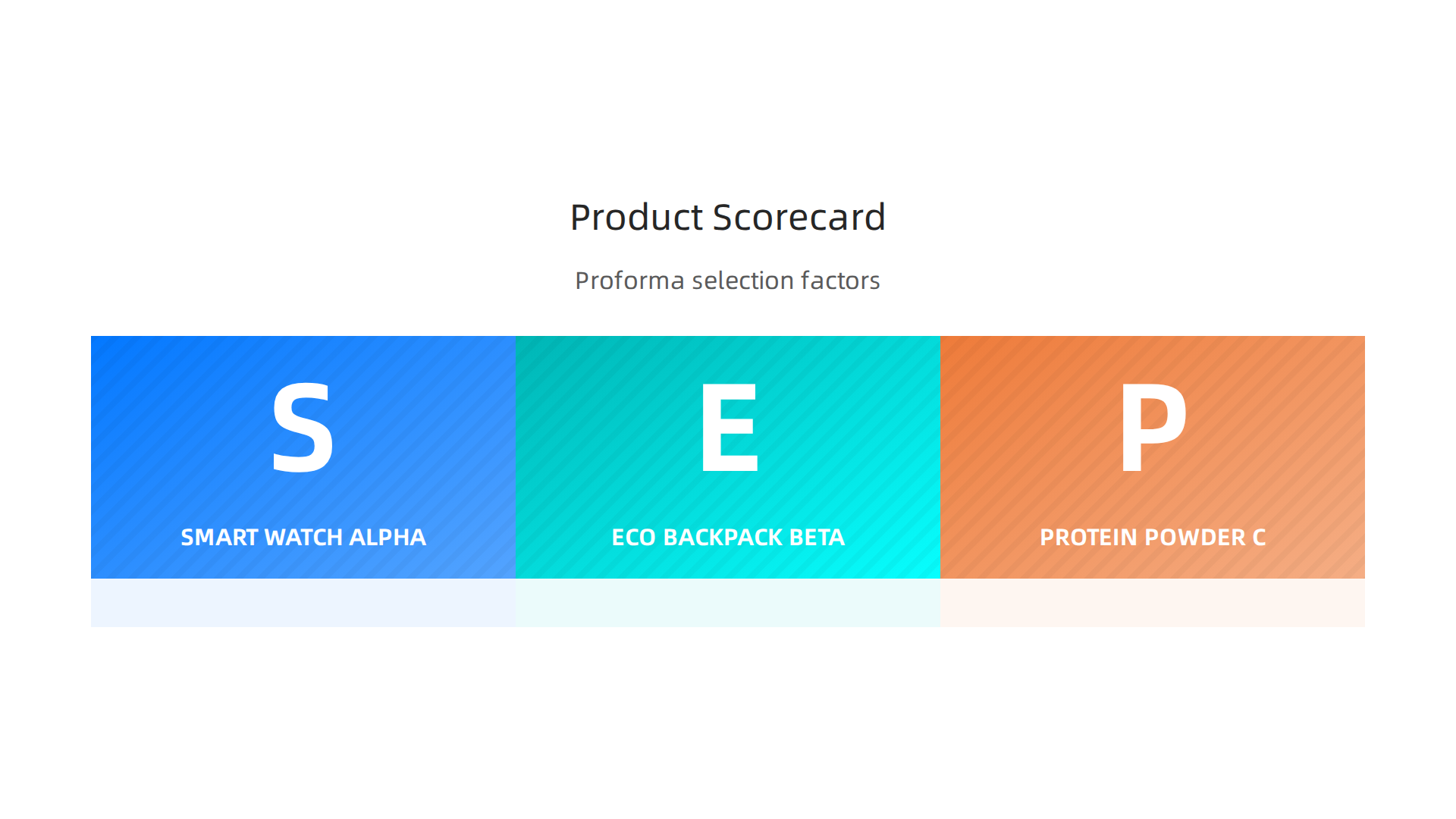
For each product, you can score it on the points above. For instance, you might use a scale of 1 to 5 for each item.
| Product Idea | Demand Score (1-5) | Commission Score (1-5) | Seller Trust Score (1-5) | Audience Fit Score (1-5) | Total Score | Notes |
|---|---|---|---|---|---|---|
| Smart Watch Alpha | 4 | 3 | 5 | 4 | 16 | High demand, good seller, average commission. |
| Eco Backpack Beta | 3 | 5 | 4 | 5 | 17 | Great for eco-conscious audience, high commission. |
| Protein Powder C | 5 | 2 | 3 | 5 | 15 | Very popular, but low commission, some mixed reviews. |
By using this kind of table, you can see which products score highest across all important areas. This helps you make smart decisions and choose items that are more likely to lead to sales and happy customers. This systematic approach, much like filling out an Affiliate Product Validation Worksheet, helps you pick the most promising opportunities for your proforma affiliate plan. It takes the guesswork out of choosing what to promote and helps you focus on products that truly perform well.
Making smart choices about products is only half the battle. After you pick products using your proforma, you need to track how well they actually do.

This is super important to see if your proforma affiliate plan is working and how much money you’re really making. Without good tracking, you’re just guessing.
Here’s how to keep a close eye on your affiliate links and measure your success:
Understanding How Sales Are Tracked
Tracking sales in affiliate marketing programs can sometimes feel a bit tricky, but it’s vital. Here are the main things you need to know:
- Attribution Models: This simply means deciding who gets credit for a sale. Imagine a customer sees your
affiliate link, then later clicks another affiliate’s link, and then buys. Who gets the commission? An "attribution model" is the rule that figures this out. Some models give credit to the first link clicked, some to the last, and others share the credit among all the links a customer clicked. Understanding these models helps you know how your efforts are being rewarded, as different models affect who gets paid for a conversion Attribution Models Explained | Affiliate Tracking & …. - Cookie Windows: When someone clicks your
affiliate link, a tiny digital "cookie" is often placed on their device. This cookie remembers that you sent them. The "cookie window" is how long that cookie stays active. If a customer buys within this time, you get credit. If they buy after the window closes, you usually don’t. Longer cookie windows are generally better for you. - Sub-IDs and UTMs: These are like special tags you can add to your
affiliate links. They let you see exactly where a click came from. For example, you can add a sub-ID to know if a sale came from your blog post, an email, or a social media share. Keeping these tags clean and clear (called "UTM hygiene") helps you get very detailed reports.
You’ll need good tools to handle all this tracking. Many best affiliate programs offer their own tracking, but sometimes using a dedicated platform can give you more control and better insights. For more information on finding the right tools, check out how to unlock maximum earnings with simple affiliate tracking software.
Comparing Your Results to Your Plan
Once you have your tracking set up, you can start comparing your real sales to the guesses you made in your proforma.
- Gather the Data: Look at how many clicks your
affiliate linksgot, how many sales happened, and how much commission you earned. - Match to Your Proforma: Go back to your proforma table. Did Product Alpha actually get a demand score of 4? Did it convert as well as you thought it would?
- Find the Gaps: Where do your real numbers differ from your plan? Maybe one product didn’t sell as much, or another sold way more than expected. These gaps are clues.
- Update Your Plan: Use what you learned to make your next proforma even better. If Product C had a low commission score but sold like crazy, maybe you’ll look for similar popular items with better commissions next time. This constant learning and updating is how you make your
proforma affiliatestrategy stronger over time.
By regularly checking your tracking data against your initial proforma, you turn guesswork into smart business decisions. You’ll know what works, what doesn’t, and how to improve for the future.
After you’ve successfully tracked your affiliate links and compared them to your plan, the next step is to grow your efforts in a smart, controlled way. This means making your proforma affiliate program bigger and better without losing track of what works. It’s about scaling up, building good relationships with partners, and making sure your operations run smoothly for a long time.
Scaling, Partnerships, and Running a Sustainable Proforma Affiliate Program
To really make your affiliate marketing programs shine, you need to think about how they can grow. This isn’t just about getting more sales, but about building a strong system that keeps earning money year after year.
Finding and Working with Good Partners
Growing your affiliate business often means bringing in more people to help promote your products. These are your partners, and choosing the right ones is very important.

- Recruiting Partners: Look for content creators, bloggers, or websites that share your audience. Your successful
proforma affiliatedata can even help here, as it shows what kinds of products sell well, which might attract new partners. - Commission Structures: Not all partners are the same. Some might be new, while others are seasoned pros. You can set up different ways to pay them, like a "tiered commission structure." This means bigger rewards for partners who bring in more sales or better customers. This kind of setup encourages partners to do their best and aligns their goals with yours, leading to long-term growth and predictable forecasts.
- Setting Goals Together: It’s helpful to work with your partners to set clear goals. If everyone knows what they’re aiming for, it’s easier to reach big targets and keep your
affiliate programsgrowing steadily.
Keeping Things Running Smoothly
As your proforma affiliate program grows, you’ll need good ways to manage everything. This is about making sure all the parts of your program work well together.
- Program Management: This involves keeping track of all your partners, what they’re promoting, and how they’re doing. Good management means you can easily see what’s working and fix what’s not.
- Paying on Time: Nothing makes partners happier than getting paid when they expect. Setting a clear payment schedule and sticking to it builds trust. This is a key part of running successful
best affiliate programs. - Creative Guidelines: You’ll want your partners to promote products in a way that matches your brand. Giving them clear rules and ideas for how to talk about products helps keep your message consistent. This also helps with quality control, making sure all promotions are top-notch.
- Staying Legal: In 2026, it’s very important to follow the rules about telling people when you’re making money from a recommendation. The Federal Trade Commission (FTC) says you must clearly show when you have a "material connection" to a product you are talking about FTC’s Endorsement Guides: What People Are Asking. This means if you get paid for an
affiliate link, you need to tell your audience in a clear way. Disclosures should be easy to see and understand, not hidden away Affiliate disclosure requirements in 2026 — what the FTC …. Making sure your partners also follow these rules is part of good quality control and helps avoid penalties. For a detailed guide on creating these important notices, learn how to write a compliant disclaimer for affiliate links build trust and avoid penalties.
By focusing on smart partner relationships and solid operations, your proforma affiliate strategy won’t just hit its goals, it’ll create a thriving and reliable source of income.
Summary
This article explains the proforma affiliate approach: a simple planning framework that helps affiliates and merchants forecast realistic earnings, costs, and volume before they invest time or money. It covers why guessing hurts growth in 2026, which benchmarks to use (conversion rate, EPC, AOV, CTR), and who benefits from a proforma—publishers and businesses. The guide shows a step-by-step content workflow, headline and review templates, and a basic revenue forecast table you can copy. It also explains how to pick high-converting products using a scorecard for demand, commission, trust, and audience fit. You’ll learn how tracking, attribution models, cookie windows, and UTMs affect payments and measurement. Finally, the article covers legal must-dos like clear affiliate disclosures and practical tips to scale partner programs and run a sustainable affiliate operation.