
Reviews & Guides from Our Experts

Affiliate Network Explained Roles Tracking and Choosing the Right One

Affiliate marketing is a big deal in 2026. It’s a smart way for businesses to sell their products and for people to earn money by promoting those products.

This global market is quite large, expected to reach over $20 billion in 2026. In fact, many brands see a big return, earning about $15 for every $1 they spend on these programs Affiliate Marketing Statistics 2026: $18B Industry Data & Trends.
So, what exactly is an affiliate network? Think of it like a helpful middleman. On one side, you have businesses (we call them merchants or advertisers) that want to sell things. On the other side, you have people or websites (we call them affiliates or publishers) who want to promote those things and get paid a commission when a sale happens. An affiliate network brings both sides together on one easy-to-use platform Affiliate Network: Definition, Types, Examples (2026). It helps everyone manage these connections, track sales, and handle payments.
For affiliates, these networks are a goldmine. Instead of looking for affiliate marketing programs one by one, they can find many different products and services to promote all in one place. This saves time and makes it easier to track how well their promotions are doing. They can also find best affiliate programs that fit their audience.
For merchants, an affiliate network is just as helpful. It connects them with many potential affiliates, making it easier to find people who can spread the word about their products. The network also provides tools to see which affiliates are bringing in the most sales and to make sure everyone gets paid correctly. This whole process helps businesses get more customers without a lot of upfront cost, because they only pay when a sale or lead actually happens What Is Affiliate Marketing? Complete Guide for Brands (2026).
However, even with these tools, both affiliates and merchants can face challenges. Affiliates might struggle to find the very best products that truly convert their audience, or spend too much time creating content for different affiliate marketing platforms. Merchants might find it hard to recruit high-quality affiliates who truly understand how to promote their products, or they might struggle to keep track of how all their affiliate marketing programs are performing.
This guide will help you understand these challenges better and show you how to find solutions within the world of affiliate networks. Whether you are wondering what is affiliate marketing or looking for the best affiliate marketing platforms, we will cover it all.
Affiliate networks explained: roles, models, and terminology
To really get how an affiliate network works, it helps to know the main people and groups involved.

Think of it as a small village where everyone has an important job.
Here are the main players:
- Merchants (or Advertisers): These are the businesses that sell products or services. They want more customers and are happy to pay others to help them get sales. They create
affiliate marketing programsfor their products. - Affiliates (or Publishers): These are the people or websites, like bloggers, social media stars, or review sites, who promote the merchant’s products. They share special links and try to get their audience to buy things. When someone buys through their link, they earn money.
- Affiliate Network: This is the middleman we talked about. It’s a platform that brings merchants and affiliates together. The
affiliate networkhelps merchants find many affiliates and gives affiliates many products to choose from. It also handles the tough work of tracking sales and making sure everyone gets paid. - Tracking Providers: Sometimes, a separate company or tool is used to keep track of clicks, sales, and other actions. This makes sure that when an affiliate brings in a customer, it’s correctly recorded, so the affiliate gets their rightful commission.
How affiliates get paid: understanding commission models
One of the most important things for affiliates to know is how they will earn money. This is called the commission model, and it sets the rules for payouts. An affiliate’s commission structure defines how they get paid, including the type of model, how much they earn, and any special conditions Affiliate Marketing Industry Statistics 2026.
Here are some common ways affiliates get paid:
- CPA (Cost Per Action): This means the affiliate earns a set payment when a customer does a specific action. This action could be making a purchase, signing up for a newsletter, or filling out a form. It’s a clear way to get paid for specific results Affiliate Tax Compliance: DAC7, 1099 & VAT (2026).
- Revenue Share: With this model, the affiliate gets a percentage of the money made from each sale they bring in. If they help sell a $100 item and the revenue share is 10%, they get $10. This can be very good if you promote high-priced items or services Affiliate Tax Compliance: DAC7, 1099 & VAT (2026).
- CPC (Cost Per Click): This model pays the affiliate for every click their special link gets. While less common in main
affiliate marketing programsnow, it still exists in some areas, especially in certain advertising setups. If you’re interested in programs that pay per click, you can explore options to Best Pay Per Click Affiliate Programs to Earn Money From Every Click.
Key terms every affiliate should know
When working with an affiliate network or any of the affiliate marketing platforms, you’ll hear some special words. Knowing them helps you understand what’s happening and how to succeed.
- Commission Rate: This is simply how much money you earn for each sale or action. It might be a percentage of the sale or a fixed amount.
- Cookie Window (or Cookie Duration): When someone clicks your affiliate link, a small file called a "cookie" is saved on their computer. The cookie window is how long that file stays active. If the customer buys something within that time, you still get credit, even if they don’t buy it right away. A longer cookie window is usually better for affiliates.
- Payout Threshold: This is the minimum amount of money you need to earn before the
affiliate networkwill pay you. For example, a network might say you need to earn at least $20 before they send your payment Affiliate Payouts: How Networks Actually Pay Publishers. - Conversion Rate: This number tells you how many people who clicked your link actually went on to complete the desired action (like buying something). A high conversion rate means your promotions are very effective.
Understanding these parts of the affiliate network world helps both new and experienced affiliates find the best affiliate programs and earn more.
An affiliate network does much more than just bring people together. It also handles all the important technical parts that make sure affiliates get paid correctly. This "behind the scenes" work includes creating special links, keeping track of every click and sale, and making sure the right affiliate gets credit for each customer.
How affiliate links and tracking work
When an affiliate signs up for an affiliate marketing program through an affiliate network, they get unique links. These aren’t just regular website links. They contain special codes that tell the network exactly who sent the customer.
When a person clicks on an affiliate’s special link, the journey starts:
- Click Tracking: The
affiliate networkrecords that click. It saves information about the affiliate who shared the link and sometimes even details about the person who clicked. - Attribution Window: As we talked about earlier, a "cookie" is often placed on the customer’s device. This cookie has a set time, called the cookie window. If the customer buys something within that time, the affiliate still gets credit.
But what if cookies aren’t enough? Some people use ad blockers, or their browser settings might block cookies. This can make it hard to track sales accurately. That’s where more advanced tracking methods come in.
Advanced tracking: server-to-server (S2S) and postback
In 2026, many affiliate marketing platforms use smarter ways to track sales. One of the best ways is called server-to-server (S2S) tracking, or postback tracking.
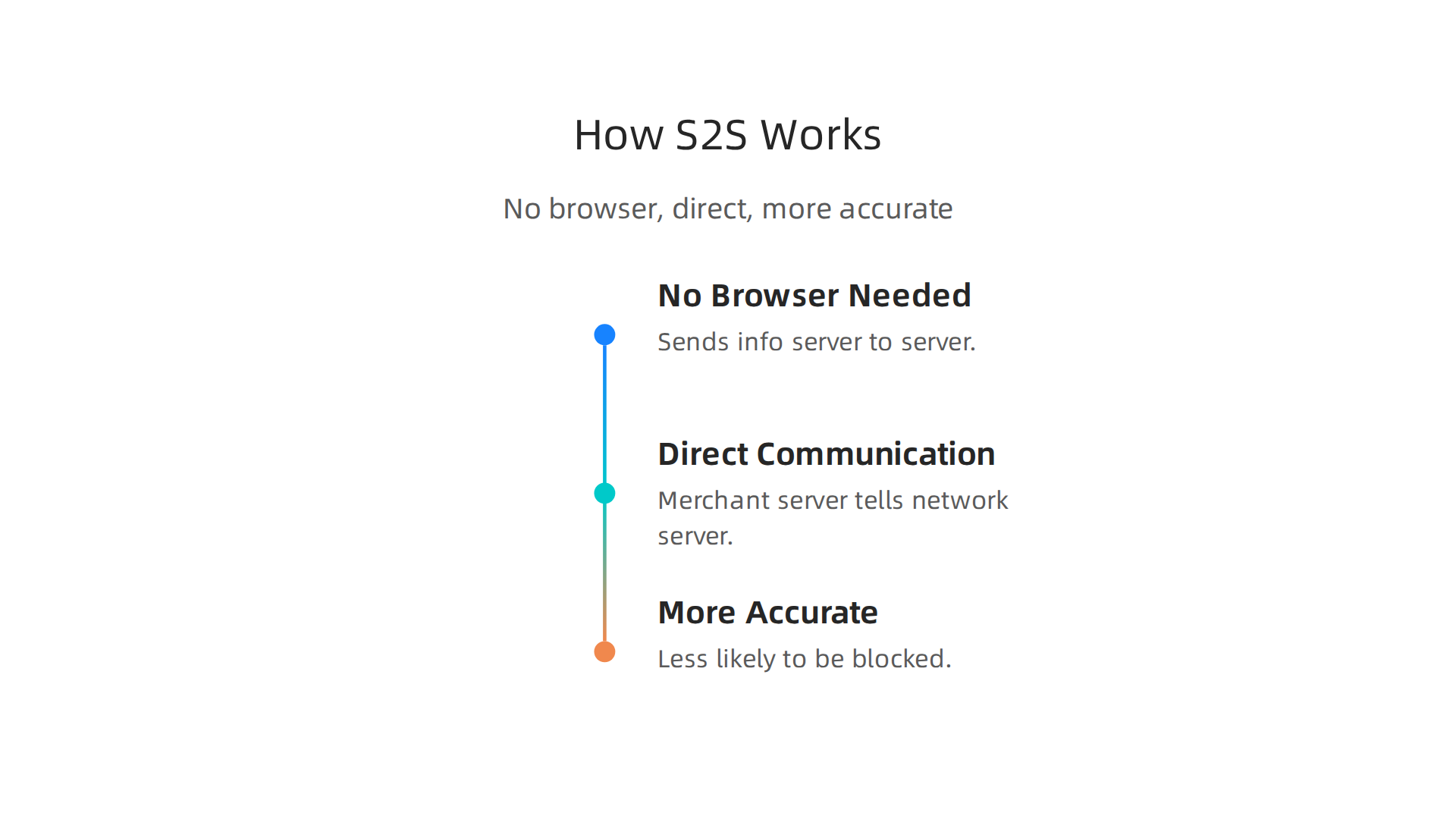
Here’s how it works:
- No Browser Needed: Instead of relying on a cookie in the customer’s web browser, S2S tracking sends information directly from one computer server to another. When a customer clicks an affiliate link, a unique ID is created and stored on the merchant’s server.
- Direct Communication: When the customer makes a purchase or completes another action, the merchant’s server tells the
affiliate network‘s server about it. This is often called "firing a postback" and it uses that unique ID to give credit to the right affiliate Server-to-Server Tracking in 2026. - More Accurate and Safe: Because this tracking happens "server-side," it’s less likely to be blocked by ad blockers or privacy settings that affect cookies. This makes sure that affiliates get credit for nearly every sale they bring in How Affiliate Tracking Works: S2S, Postback & Pixel Explained. It helps prevent fraud and makes the tracking very accurate, which is great for both merchants and affiliates using the
affiliate networkto find thebest affiliate programs. To learn more about how accurate tracking boosts your income, check out this guide on affiliate marketing link tracking that stops guessing and boosts earnings.
Payouts: getting your earned money
After a sale is tracked and confirmed, the affiliate network makes sure everyone gets paid. The network collects the money from the merchant and then pays the affiliates their commission. This usually happens once an affiliate reaches a certain amount of earnings, known as the payout threshold. The network handles all the complex calculations and ensures payments are sent out on time.
Understanding these technical details helps affiliates see how reliable an affiliate network can be. It ensures that their hard work in promoting products through various affiliate marketing programs is always recognized and rewarded.
Ready to improve your content and find products that truly resonate with your audience? AffiliateHub Pro offers tools for creating engaging reviews and comparisons.
After learning about how an affiliate network handles all the technical parts of tracking and payments, the next big step is for affiliates to choose the right things to promote. Knowing that your hard work will be tracked is great, but you need to make sure you’re working on offers that will truly pay off and help your audience.
How affiliates can choose high-converting offers and build trust
Choosing the right offers is super important for an affiliate. It’s not just about picking any product.

It’s about finding products and services that your audience will truly love and buy. This is how you make sure your time and effort turn into real earnings.
What to look for when picking offers
When you are part of affiliate marketing programs, you’ll see many products to promote. Here’s what smart affiliates look for:
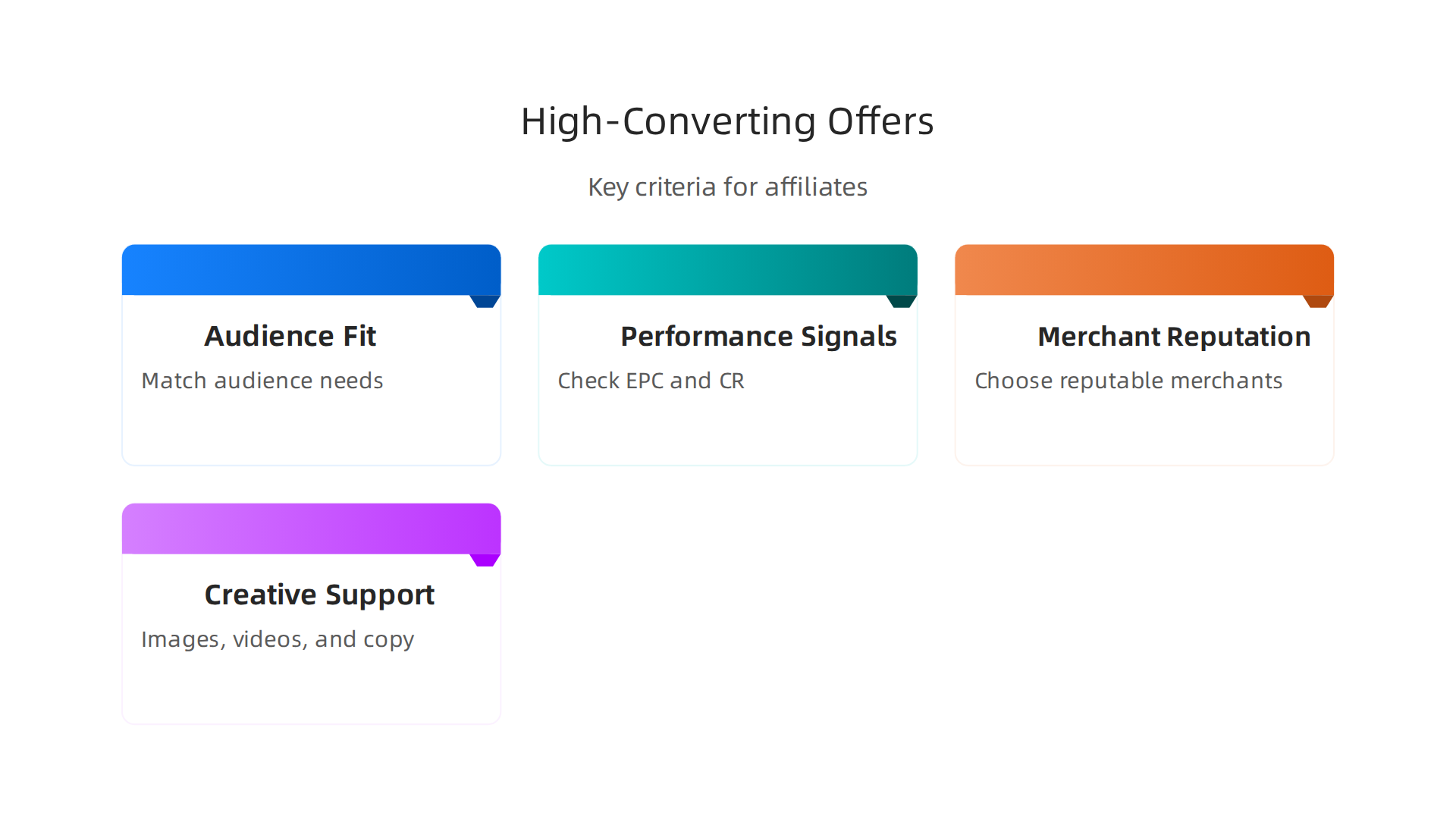
- Audience Fit: This is the most important rule. Only promote things that your audience actually needs or is interested in. If you talk about pet care, selling car parts won’t work well. People trust you when you stick to what they expect from you.
- Performance Signals: Look for numbers that tell you how well an offer is doing. Two key numbers are Earnings Per Click (EPC) and Conversion Rate (CR).
- EPC tells you how much money affiliates usually make for every click they send to an offer. A high EPC often means the offer is popular and converts well.
- Conversion Rate (CR) shows how many people who click on a link actually buy the product. A high CR means the product is good at turning visitors into buyers Essential Affiliate KPIs Every Manager Should Track. You can track other numbers to measure how well you’re doing, like clicks and how much you earn in total 19 Affiliate Marketing Metrics & KPIs for Smarter Growth.
- Merchant Reputation: Choose merchants who are known for good products and good customer service. If the merchant has a bad name, it can hurt your own trust with your audience. A trustworthy
affiliate networkwill usually work with reputable merchants. - Creative Support: Does the merchant give you good pictures, videos, and words to use in your promotions? Good materials make it easier for you to create engaging content.
To find the best options, it helps to know how to choose the best affiliate programs 2026.
How to build trust with your audience for better sales
Even the best affiliate programs won’t make money if your audience doesn’t trust you. Trust makes people more likely to buy through your links. Here’s how to build it:
- Be Honest and Transparent: Don’t just talk about the good parts of a product. Be real about its downsides, too. A review that mentions a few honest drawbacks can actually make people trust you more Affiliate Marketing: What Are the Most Effective Content Types in 2026. Always give a clear opinion and explain who the product is for and who it might not be for Best Practices for Honest Affiliate Reviews in 2026.
- Use the Product Yourself: The best way to write a good review is to actually use the product. If you can’t, do a lot of research. This helps you give real advice instead of just repeating what others say Affiliate Content Formats That Convert.
- Always Disclose Affiliate Links: Make it clear to your audience that you are using
affiliate linksand might earn a commission if they buy. You should put a clear statement at the top of your content. This builds trust and is often required by law How to Write "Best X for Y 2026" Posts That Rank #1 and Earn …. It’s important to write a compliant disclaimer for affiliate links. - Create Helpful Content: Focus on writing reviews, comparisons, and guides that truly help people make decisions. Make your content easy to read with clear headings, pros and cons, and comparison tables How to Create High-Converting Affiliate Content in 2026. Content that helps users decide, rather than just pushing sales, builds trust Review Sites With Affiliate Links: Best Practices 2026. In 2026, content like product reviews often leads to higher sales because readers are actively looking to buy Affiliate Marketing Conversion Rates: 2026 Benchmarks by …. Links in reviews and "best of" articles convert much better than in general content Affiliate Marketing Statistics 2026.
- Think Long-Term: Building trust takes time. Focus on giving real value to your audience, and they will keep coming back. A full affiliate plan needs content that earns trust to work well The Complete Guide to Affiliate Marketing Success. Learning how to build an affiliate marketing blog that earns in 2026 is a great step.
After focusing on how affiliates pick winning offers and earn trust, let’s flip the coin and look at things from the merchant’s side. If you’re a business owner, you need to set up your affiliate marketing programs in a way that brings in the best partners and helps them succeed. This means thinking about how you pay people, what tools you give them, and how you invite them to join.
How merchants should structure programs and recruit quality affiliates
For merchants, setting up an affiliate program is a big step. It’s about more than just wanting more sales.

It’s about building strong relationships with people who will spread the word about your products or services. Think of it as creating a team of helpful promoters.
Key parts of a good affiliate program structure
A strong affiliate program needs clear rules and good support. Here are the main things merchants should think about:
- Payment Plans (Commission Tiers): How will you pay your affiliates? This is super important. Many programs offer a percentage of each sale, known as "revshare," or a fixed payment for actions like signing up for a trial, which is called CPA (Cost Per Action) [Affiliate Tax Compliance: DAC7, 1099 & VAT (2026)]. The best
affiliate marketing programsoften have different levels of payment. For example, top-performing affiliates might earn a higher percentage. This tiered structure motivates affiliates to sell more, as their earnings grow with their sales volume [Build an affiliate commission strategy that ignores …]. Some programs, especially for digital products, pay recurring commissions over many months [Affiliate Marketing Statistics 2026: 130+ Data Points]. Make sure your commission plan is clear and exciting [Affiliate Marketing Bonus Structures That Actually Motivate Partners | 2026 Guide]. You can learn more about how different commission structures work to maximize your income with high paying affiliate programs in 2026. - Creative Materials: Affiliates need good stuff to share, like pictures, videos, and ready-to-use text. The more helpful and good-looking your materials are, the easier it is for affiliates to promote your products. When affiliates join, give them a welcome email with quick-start guides and marketing materials [Affiliate Onboarding & Activation Flow (2026 Guide)].
- Cookie Windows: This is how long your program remembers that an affiliate sent a customer to your site. For example, a 30-day cookie window means if someone clicks an affiliate’s link and buys within 30 days, the affiliate gets credit. Digital products often have cookie windows of 60 days or more [Affiliate Marketing Statistics 2026: 130+ Data Points]. Setting a fair cookie window encourages affiliates to keep promoting. You can find out more about how this works to boost earnings by understanding affiliate window strategies to boost your affiliate income in 2026.
- Fraud Prevention Rules: Sadly, some people try to cheat. Merchants need clear rules and ways to spot fake sales or clicks to protect their program and ensure fair payments to honest affiliates [Key Partner Types And…]. It’s also important to understand legal requirements like GDPR for handling data [GDPR for Affiliate Websites: 2026 Compliance Guide – WLC].
How to find and welcome great affiliates
Finding the right people to join your program is like building a good team. You want affiliates who truly connect with your products and can share them with their audience in a real way.
- Recruiting Strategies: Don’t just wait for affiliates to find you. Actively look for them. You can invite your own customers who love your products to become affiliates after they buy something [Affiliate Partner Lifecycle Management: 2026 Guide]. Another great way is to look on social media for people who already talk about products like yours. You should also have a clear signup page on your website where interested people can easily apply [How to Recruit Affiliates: 9 Strategies That Actually Work].
- Onboarding Process: Once someone signs up, make it easy for them to get started. A good onboarding plan includes a welcome email right away, a personal introduction from a program manager, and access to all the creative materials and tracking links they need within the first couple of days [Partner Recruitment and Onboarding | How to Launch an …]. This helps affiliates quickly understand how to start promoting and earning. A well-designed onboarding process is vital for success [How to recruit better affiliates in 2026: A step-by-step guide …].
- Incentives and Motivation: Keep your affiliates motivated! Besides regular commissions, you can offer bonuses for reaching certain sales goals or for being a top performer [How to Use Bonus Rewards to Motivate Your Best Affiliates (And …]. Make sure these rewards are exciting and clear, and tie them to your business goals, like getting new customers or more sales [Affiliate Marketing Bonus Structures That Actually Motivate Partners | 2026 Guide].
By setting up a clear program with good support and actively bringing in quality affiliates, merchants can build a strong affiliate network that helps their business grow in 2026. This approach makes your affiliate marketing platforms a success for everyone involved.
After understanding how merchants can build effective affiliate marketing programs and attract good partners, the next big step is deciding where to host these programs. This often means choosing the right affiliate network or affiliate marketing platform. Picking the best one is crucial for your program’s success.
How to evaluate and choose the right affiliate network
An affiliate network acts like a marketplace. It brings together businesses (merchants) who want to sell products and people (affiliates) who want to promote them. These networks provide the tools for tracking sales, managing payments, and connecting merchants with a wide range of affiliates. Choosing the right one for your business in 2026 means looking at several important things.
Key things to check when picking an affiliate network
Think of this as a checklist to help you find the perfect match for your affiliate marketing programs:
- Costs and Fees: Different networks charge different amounts. Some might have a setup fee, a monthly fee, or take a percentage of each sale. You need to know these costs upfront so they fit your budget.
- Merchants and Affiliates: Look at who else is on the network. Does it have many other businesses like yours? Does it have the kind of affiliates you want to work with? A good mix means more chances for success. You might want to see how affiliates and merchants succeed on a popular choice like the CJ Affiliate Network.
- Reporting Tools: How well does the network show you what’s happening? You’ll want clear reports on sales, clicks, and how much money your affiliates are earning. Good reports help you make smart choices.
- Payment Times: How often and how quickly does the network pay affiliates? Some networks pay twice a month, like Awin, which pays on the 1st and 15th for validated commissions [Affiliate Payouts: How Networks Actually Pay Publishers]. Timely payments keep affiliates happy and motivated.
- Easy to Use: Is the network easy to connect with your website and existing tools? Look for good "integration options" to make sure everything works smoothly together.
For more insights on picking the right choice, you can also explore how to select the best affiliate marketing platforms for maximum earnings.
Staying safe and following the rules
Beyond just how a network works, merchants must also think about important rules and safety.
- Following the Law: In 2026, there are many rules about online business, especially for
affiliate marketing platforms. This includes rules about data privacy, like GDPR, and advertising rules from the FTC in the US [Affiliate Compliance Guide: FTC, GDPR, CCPA (2026)]. The network should help you follow these laws to avoid problems. You can learn more about general legal requirements in affiliate marketing, including data handling, from legal experts [Affiliate-маркетинг: юридические риски, требования и …]. - Protecting Against Cheating: Sadly, some people try to trick the system with fake clicks or sales. A good
affiliate networkwill have strong ways to stop fraud. This protects your money and makes sure your honest affiliates get paid fairly. Keeping up with compliance is key, especially in areas like travel affiliate programs, which have specific FTC, tax, and data rules [Travel Affiliate Compliance: FTC, Tax & Data Rules 2026].
By carefully looking at these points, you can choose an affiliate network that not only helps your business grow but also keeps things fair and safe for everyone involved.
After choosing the right affiliate network or affiliate marketing platform, the next step is to make sure you can see how well your affiliate marketing programs are doing. This means using the right tools and keeping an eye on important numbers, called Key Performance Indicators or KPIs. These help both you, the business, and your affiliates understand what’s working and what’s not.
Tools, reporting, and KPIs every program should track
To truly succeed with your affiliate marketing programs in 2026, you need to track important information. Think of KPIs as a report card for your program, showing you how well it’s performing.
Key Numbers (KPIs) for Affiliates and Merchants
Understanding these simple numbers can help you make smart choices:
- Earnings Per Click (EPC): This shows how much money, on average, you or an affiliate makes every time someone clicks on an affiliate link. A higher EPC means clicks are more valuable.
- Conversion Rate (CR): This is the percentage of people who click an affiliate link and then complete a desired action, like buying a product. If 100 people click and 2 buy, that’s a 2% conversion rate. A good conversion rate means your offer is appealing and the traffic is good. You can find more details on how to use these important numbers for smarter growth in your
affiliate marketing programs19 Affiliate Marketing Metrics & KPIs for Smarter Growth. - Average Order Value (AOV): This is the average amount of money a customer spends when they make a purchase through an affiliate link. Knowing this helps you understand the total value each sale brings.
- Customer Acquisition Cost (CAC) via Affiliates: This tells you how much it costs to get one new customer through your
affiliate marketing program. You want this number to be lower than the profit you make from that customer.
By looking at these numbers, both merchants and affiliates can see if they are making a good profit and if their efforts are paying off. For example, if your conversion rate is low, you might need to try different kinds of ads or work with different affiliates. Keeping track of these key numbers is important for any manager wanting to track essential affiliate KPIs Essential Affiliate KPIs Every Manager Should Track.
Tools that every program should use
A good affiliate marketing platform or affiliate network will offer many tools. Here are the main types you should look for:
- Link Management and Tracking: This is perhaps the most important tool. It makes sure every click and sale from an affiliate link is recorded correctly. In 2026, many programs use what’s called "server-to-server (S2S) tracking." This new way of tracking is better because it doesn’t rely on browser cookies, which can often be blocked. Instead, it passes information directly between computer servers, making sure almost every sale is counted Server-to-Server Tracking in 2026: Why Cookie-Based …. Using reliable methods like S2S helps ensure accurate results, stopping guesswork and boosting earnings. If you want to learn more about how accurate tracking software can help, explore how to use simple affiliate tracking software the easy way to higher earnings.
- Analytics and Reporting: These tools turn all the raw data (clicks, sales, commissions) into easy-to-understand reports. You can see how individual affiliates are doing, which products are selling best, and how your program is growing overall.
- Creatives Management: This is where you keep all the banners, text links, videos, and other marketing materials that affiliates can use to promote your products. A good tool makes it easy for affiliates to find and download what they need.
- Fraud Monitoring: To protect your
affiliate marketing programsfrom fake clicks or sales, you need tools that watch out for suspicious activity. These tools help ensure that you only pay for real results.
By using these tools and keeping a close eye on your KPIs, you can manage your affiliate network program effectively, helping it grow and bring in more sales over time.
Summary
This guide explains what affiliate networks are, how they connect merchants and affiliates, and why they’re essential for performance-based sales in 2026. It walks through the roles in the ecosystem, common commission models (CPA, revenue share, CPC), and the tracking methods that ensure affiliates get paid — from browser cookies to more reliable server-to-server postbacks. The article also shows how affiliates pick high-converting offers (audience fit, EPC, conversion rate) and how merchants should design programs with clear commissions, cookie windows, creatives and anti-fraud rules. You’ll learn how to evaluate networks based on fees, reporting, payment cadence and integrations, which KPIs to track, and the tools that make programs scalable and transparent. After reading, publishers and merchants will know how to choose platforms, improve conversions, protect against fraud, and set up programs that drive predictable revenue.